Name-Drop and Run: The Long, Petty, Occasionally Brilliant History of the Celebrity Diss Track
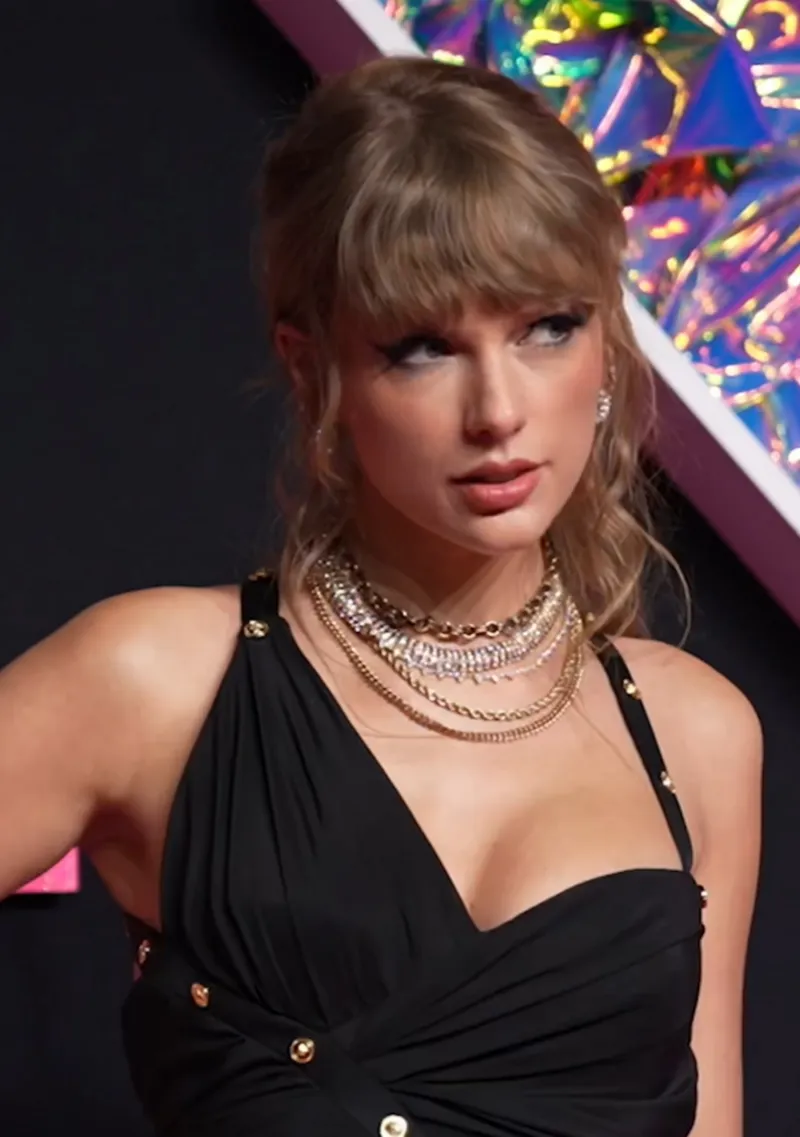
Photo of Taylor Swift, via Wikimedia Commons
There is something almost alchemical about the moment a celebrity takes a personal slight — a breakup, a betrayal, an industry beef that's been simmering for years — and turns it into a song. Suddenly the grievance has a melody. The argument has a hook. And the person on the receiving end has to sit with the knowledge that millions of people are about to sing along to exactly what you did wrong.
Welcome to the revenge album. Population: everyone you've ever wronged, apparently.
The Blueprint
The art of the thinly-veiled celebrity callout is not new. Carly Simon was doing it in 1972 with You're So Vain, and the debate over who the song was actually about generated publicity for decades — a fact that should have been required reading for every music industry publicist who came after her. The lesson was simple and has been repeatedly re-learned: a song that makes people argue about who it's targeting is a song people cannot stop talking about.
Taylor Swift didn't invent the revenge song. She just industrialized it.
The Taylor Swift Model
It's impossible to write about celebrity diss tracks in 2025 without spending some time in the Swift cinematic universe, because at this point it's less a discography and more a court record. Dear John, widely understood to be about John Mayer. Style and Out of the Woods, interpreted as chapters in the Harry Styles saga. All Too Well (Ten Minute Version), which turned Jake Gyllenhaal's Instagram comments section into a crime scene for approximately three weeks in 2021.
And then there's thanK you aIMee from the Tortured Poets Department era — the capital letters spelling out 'Kim,' in case anyone missed the reference — which reignited the Swift/Kim Kardashian conflict with the subtlety of a foghorn. Swift's approach has always been to maintain plausible deniability while making the target unmistakable to anyone paying attention. It's a skill. A genuinely impressive, slightly terrifying skill.
What's notable is how the strategy has evolved. Early Swift was more defensive — songs about being misunderstood, about the unfairness of public perception. Later Swift is considerably more confident in the offense. The shift tracks with her power in the industry, and probably tells us something real about what artistic freedom looks like when you no longer need anyone's approval.
When the Target Fires Back
The dynamic gets considerably more interesting when the subject of the song decides they're not going to take it quietly. The Nicki Minaj and Cardi B conflict, which escalated from social media to a literal altercation at a New York Fashion Week party in 2018, produced enough lyrical shade across both artists' catalogs to keep music analysts busy for years. Minaj's Barbie Dreams and various freestyle moments versus Cardi's Invasion of Privacy era created a parallel-track beef that fans on both sides treated like a sporting event.
The rap industry's relationship with the diss track is older and more codified than pop's — battles have rules, responses are expected, and the quality of the clapback matters as much as who threw the first punch. The Drake and Kendrick Lamar exchange in 2024 brought this tradition to a mainstream audience that might not have been following hip-hop beef closely, producing Not Like Us and Euphoria as cultural moments that transcended music and became news events in their own right.
Kendrick's Not Like Us winning the Grammy for Best Rap Song in 2025 was, to put it mildly, a moment. Drake's response — or deliberate non-response — has been its own kind of statement.
The Backfire Files
Not every revenge song lands the way the artist intended. The strategy requires a delicate calibration: too vague, and nobody knows what you're talking about. Too specific, and you look petty. Too angry, and you seem unhinged. Too polished, and the emotion doesn't read as real.
Kim Kardashian's indirect involvement in multiple song-based feuds — as subject rather than artist — offers an interesting case study in what it looks like to be on the receiving end without a musical platform to respond from. Her options have been limited to social media, interviews, and the occasional pointed Instagram post, none of which carry quite the same cultural weight as a song that goes to number one.
There's also the question of timing. A diss track released too long after the inciting incident reads as obsessive. Too soon, and it can seem reactive rather than considered. The artists who do this well tend to hold the material until the moment is right — which requires a level of strategic patience that doesn't always coexist with genuine emotional hurt.
Why We Can't Look Away
The audience fascination with revenge music is worth examining honestly, because it's not entirely flattering to us as consumers. We're essentially enjoying someone's real pain — or at least the artistic version of it — while simultaneously using that pain to play detective about which specific famous person caused it. It's parasocial behavior dressed up as music appreciation.
And yet. The best songs in this genre are genuinely good songs. All Too Well is an extraordinary piece of songwriting regardless of who it's about. Beyoncé's Lemonade — widely interpreted as addressing Jay-Z's infidelity — is a landmark album that stands entirely on its own artistic merit. The personal origin doesn't diminish the craft. Sometimes it's precisely what makes the craft possible.
Industry insiders will tell you that the most commercially successful revenge albums tend to be the ones where the artist has processed enough of the emotion to shape it into something universal. Pure rage is a great starting point. It's rarely a great finishing point.
What Comes Next
With award season heating up and several high-profile celebrity relationships currently in various states of public turbulence, the conditions for the next great revenge record are arguably already in place. Whether it arrives as a surprise drop, a carefully teased single, or buried as track seven on an album that nobody's supposed to know is about a specific person — the only certainty is that when it lands, we will all immediately start arguing about who it's really about.
And whoever it's about will spend the next six months insisting they haven't listened to it, while privately knowing every word.