Remember when celebrity merchandise meant a simple t-shirt with a tour date? Those days are long gone. Now every A-lister with a social media following thinks they can launch the next Fenty Beauty or Skims empire. Spoiler alert: they can't. And the graveyard of failed celebrity product lines is getting crowded.
The Anatomy of a Celebrity Product Disaster
Let's start with the most recent spectacular fail: that luxury candle line that promised to smell like "summer in Malibu" but delivered what customers described as "wet cement mixed with vanilla extract." The celebrity behind it (who shall remain nameless, but rhymes with "Schmaltrow Paltrow's competitor") charged $75 per candle and got roasted so hard on social media that the entire line was quietly discontinued within three months.
But candles are just the tip of the iceberg. This year alone, we've witnessed:
- A pop star's skincare line that allegedly caused breakouts (the irony was not lost on TikTok)
- A reality TV mogul's shapewear that ripped during the promotional photoshoot
- An actor's "premium" coffee brand that customers compared to gas station brew
- A musician's jewelry line where pieces turned green within days
The pattern is always the same: massive hype, influencer partnerships, celebrity endorsements, and then... radio silence as customer complaints flood social media.
The Fenty Effect vs. The Flop Effect
So what separates a Rihanna from a disaster? Quality control, for starters. When Fenty Beauty launched, it wasn't just celebrity-stamped products — it was genuinely innovative, filling a gap in the market with its inclusive shade range. The celebrity factor was a bonus, not the entire selling point.
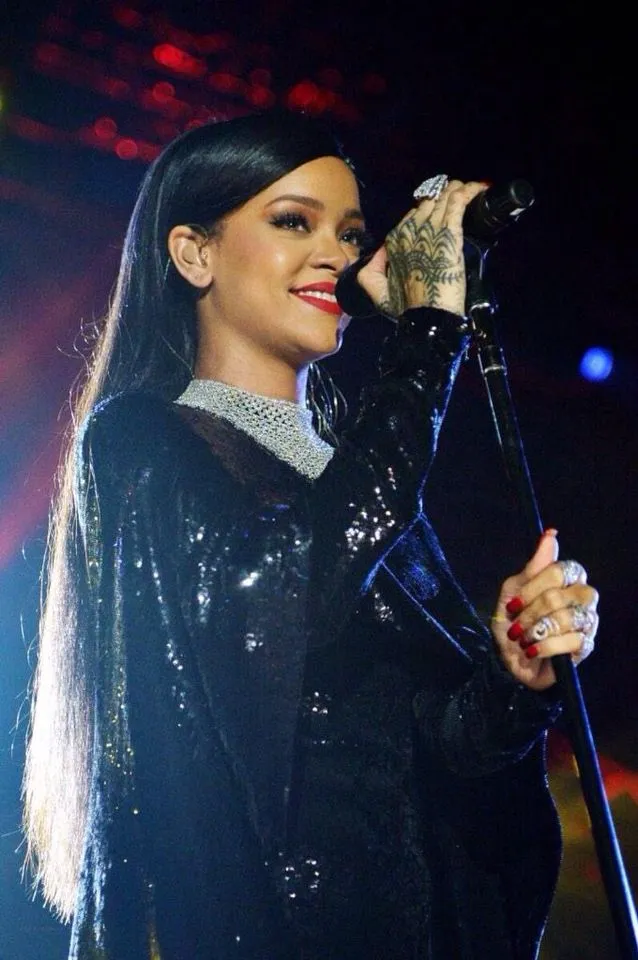 Photo: Rihanna, via i.pinimg.com
Contrast that with celebrities who slap their name on generic products and expect star power alone to drive sales. "The mistake most celebrities make is thinking their fame translates to product expertise," explains retail analyst Jennifer Walsh. "Fans will buy once out of loyalty, but they won't buy twice if the product is trash."
The most successful celebrity brands treat the famous founder as a starting point, not the finish line. Selena Gomez's Rare Beauty works because it addresses real mental health conversations alongside quality cosmetics. Kim Kardashian's Skims succeeded because it solved actual problems in shapewear design.
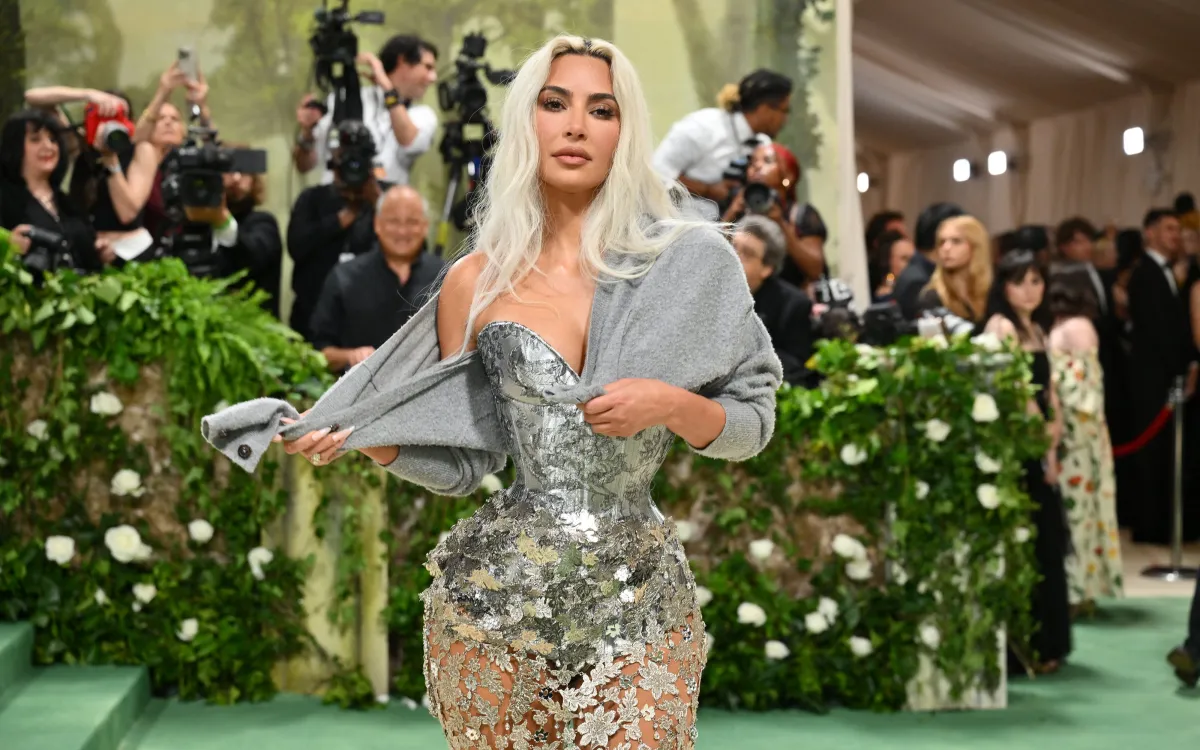 Photo: Kim Kardashian, via fashionmagazine.mblycdn.com
The Tour Merch Money Grab
Then there's the tour merchandise industrial complex, which has become its own category of customer disappointment. Fans are paying $50 for hoodies that shrink after one wash, $30 for t-shirts with graphics that crack and peel, and $100 for "limited edition" items that are clearly mass-produced.
The worst offender? That pop star who charged $200 for a "hand-distressed" denim jacket that fans discovered was just regular denim with machine-made holes. The backlash was swift and merciless, with TikTok users posting side-by-side comparisons with identical jackets from fast fashion retailers selling for $25.
"Concert merchandise used to be a memento," notes music industry veteran Tom Rodriguez. "Now it's a profit center that prioritizes margins over memories."
The Beauty Line Bloodbath
The beauty space is particularly brutal for celebrity fails because customers can immediately tell when products don't work. This year's most spectacular beauty line disaster involved a TikTok-famous celebrity whose "revolutionary" foundation was revealed to be private-label products marked up 400%.
The real kicker? The same exact products were available on Alibaba for $3 each, while the celebrity version sold for $45. Once the internet detectives cracked that code, it was game over. The brand's Instagram comments became a roast session, and sales plummeted overnight.
The Wellness Woo-Woo Factor
Celebrity wellness products deserve their own category of chaos. From $200 "energy-boosting" supplements with questionable ingredients to $150 "detox" teas that are basically expensive laxatives, the wellness space has become a playground for celebrity snake oil.
The most egregious recent example involved a lifestyle guru whose "immunity-boosting" powder was found to contain mostly corn starch and artificial flavoring. When confronted with lab results, the celebrity's team claimed the testing was "biased" and that the product worked on "energetic levels." The FTC was not amused.
The Fan Fatigue Factor
Here's what celebrity product pushers don't seem to understand: fans are getting smarter and more skeptical. The days of blind loyalty purchases are ending. Gen Z consumers, in particular, research products extensively before buying and aren't shy about calling out celebrities for subpar offerings.
"I love [celebrity name], but I'm not paying $60 for a moisturizer that's basically Cetaphil in fancy packaging," posted one TikTok user whose product review went viral. The comment section became a support group for fans disappointed by their favorite celebrities' cash grabs.
The economic factor can't be ignored either. With inflation hitting everything from groceries to gas, fans are more selective about discretionary spending. They want value for money, not just a celebrity signature.
The Comeback Strategy
Some celebrities have managed to recover from product disasters, but it requires genuine accountability and major changes. The key is admitting fault, improving quality, and rebuilding trust slowly.
One pop star whose initial clothing line was universally panned for poor quality took the criticism to heart, relaunched with better manufacturers, and now has a genuinely successful fashion brand. The difference? They listened to customer feedback instead of dismissing it.
The Warning Signs
For fans wondering whether their favorite celebrity's new product line is worth the investment, here are the red flags to watch for:
- Vague ingredient lists or product descriptions
- No customer reviews or suspiciously glowing reviews only
- Prices that seem disconnected from similar products in the market
- Limited return policies or customer service information
- Launch campaigns that focus more on the celebrity than the product
The Future of Celebrity Commerce
The celebrity product line boom isn't slowing down, but the standards are rising. Fans are demanding transparency, quality, and value. Celebrities who understand this will thrive; those who don't will join the growing list of failed launches.
As one industry insider put it: "Star power can get you in the door, but it can't keep you there if your product sucks."
The message to celebrities is clear: your fans deserve better than overpriced disappointment with your name on it.