Mic Drop or Money Grab? The Celebrity Podcast Boom Has a Credibility Problem
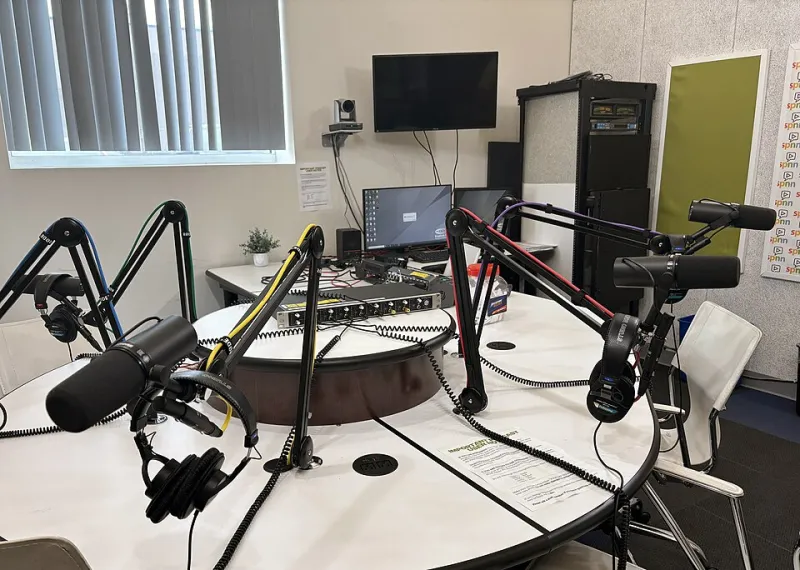
Photo: Myotus, CC BY 4.0, via Wikimedia Commons
Somewhere between the third episode of a celebrity's new podcast — the one where they tearfully discuss their childhood relationship with their mother, their complicated feelings about fame, and the time they almost walked away from everything — you start to wonder: who exactly asked for this? The answer, judging by download numbers, Spotify deals, and the sheer volume of celebrity-hosted audio content currently clogging every major platform, is apparently a very large number of people. Which makes the follow-up question more interesting: why?
The celebrity podcast explosion of the past two years isn't a trend anymore. It's an infrastructure. And in 2025, it has developed enough of a track record to separate the genuinely compelling from the strategically vulnerable from the outright abandoned.
The Golden Age That Wasn't
Let's set the scene. Podcast advertising revenue hit record highs in 2023 and 2024. Spotify, SiriusXM, and iHeart were handing out exclusive deals to celebrities with the enthusiasm of a Vegas casino comping a high roller's suite. The pitch was irresistible: a celebrity could bypass traditional media — no hostile interviewers, no network standards, no publicist hovering off-camera — and speak directly to fans for an hour a week, on their own terms, from their own home studio. Better yet, they could get paid handsomely to do it.
The result was a content avalanche. Actors, musicians, athletes, reality TV veterans, and a truly remarkable number of people who are famous primarily for being related to someone else all launched podcasts. The formats varied — interview shows, solo monologues, co-hosted banter, true crime adjacent, self-help adjacent, celebrity gossip adjacent — but the underlying pitch was almost always the same: I'm going to let you in. The real me. The unfiltered version they don't show you in the press.
Fans, predictably, were into it. Parasocial relationships — the one-sided emotional connections audiences form with public figures — thrive on exactly this kind of perceived intimacy. A celebrity talking directly into your earbuds during your morning commute hits differently than a red carpet soundbite. It feels personal. It feels like friendship. And for a lot of listeners, that feeling is worth a weekly download.
The Ones Who Actually Built Something
To be fair to the format, some celebrities have built genuinely impressive podcast audiences — and not by accident. Conan O'Brien's Conan O'Brien Needs a Friend has been running since 2018 and consistently ranks among the most-downloaded comedy podcasts in the US. It works because O'Brien is a professional broadcaster who understands the medium, commits to a consistent schedule, and doesn't treat the podcast as a promotional vehicle for whatever else he has coming out. It's the show, not a supplement to the show.
Dax Shepard's Armchair Expert is another example of a celebrity podcast that transcended the celebrity podcast format. Shepard is a genuinely skilled interviewer, the production values are high, and the conversations — often running well over two hours — feel substantive rather than promotional. Guests say things they don't say elsewhere. That's the bar.
More recently, Alex Cooper's Call Her Daddy — which evolved from a shock-value college-humor show into a legitimate cultural force — represents what happens when a celebrity-adjacent host treats podcasting as a serious editorial endeavor. Cooper's interviews with Selena Gomez and Hailey Bieber generated genuine news cycles. That's not an accident; it's the result of years of audience-building and a genuine instinct for what listeners actually want to hear.
The Ones Who Launched, Ghosted, and Left the Feed Running
For every Conan O'Brien, there are approximately forty celebrity podcasts that published six episodes, went on a "brief hiatus" in month three, and have not updated since. The RSS feeds are still active. The Spotify pages still exist. The trailer episode is still there, promising a revolution in authentic celebrity storytelling that never quite materialized.
This is the dirty secret of the celebrity podcast economy: the barrier to entry is low enough that launching is easy, but sustaining a weekly audio show is genuinely hard work. It requires consistency, a real point of view, and — crucially — something to actually say beyond the initial rush of promotional oversharing. Many celebrities discover, around episode four or five, that they've already told all their most compelling personal stories and are now staring into a microphone with nothing but a vague desire to seem relatable.
The pattern is recognizable enough that podcast industry observers have started tracking it. A 2024 analysis by Puck News noted that a significant percentage of celebrity-hosted podcasts launched with major press attention fail to reach their first anniversary with a consistent publishing schedule. The announcement gets the coverage. The follow-through, less so.
The "Vulnerability Industrial Complex"
There's a more pointed critique of the celebrity podcast moment that deserves airtime: the weaponization of personal disclosure as a brand strategy. In 2025, being openly vulnerable — sharing trauma, admitting failure, crying on mic — has become so associated with likability and relatability that it's hard to know where genuine openness ends and performed authenticity begins.
When a celebrity uses their podcast to discuss their anxiety, their difficult childhood, or their complicated relationship with fame, it can be genuinely moving and valuable. It can also be a carefully managed narrative designed to preempt negative press, rehabilitate a damaged image, or simply generate the kind of empathetic coverage that a traditional press release cannot buy. The medium's intimacy makes it difficult to tell the difference — which is, of course, part of the appeal for the celebrity.
"The podcast has become the new therapy-speak press tour," one entertainment journalist observed on X earlier this year, in a post that accumulated thousands of likes and a lot of knowing replies from people in the industry. The joke lands because it's accurate: a celebrity can say things on a podcast that would seem calculated in a magazine profile, precisely because the format feels unguarded.
What Listeners Are Actually Owed
None of this means celebrity podcasts are inherently cynical or worthless — many of them are neither. But as a listener, it's worth approaching the format with the same critical eye you'd bring to any other celebrity media product. Ask who benefits from the story being told this way. Notice whether the vulnerability conveniently clusters around a promotional cycle. Check when the last episode dropped.
And if the feed has been silent since October? Pour one out for the three-episode wonder that almost changed everything.
In a world where every A-lister wants to be your most trusted friend, the real power move is knowing which ones will still be showing up to the conversation six months from now.