The Settlement Silence: Why Celebrity Legal Deals Come With a Gag Order — and What They're Hiding
In Hollywood, silence isn't golden — it's expensive. And lately, it seems like every celebrity legal drama that starts with explosive headlines ends the same way: with a mysterious "confidential settlement" and suddenly, everyone involved develops a case of collective amnesia.
From Johnny Depp's pre-trial settlements with various parties to the countless NDAs that followed Harvey Weinstein's initial accusations, celebrity legal disputes are increasingly disappearing behind closed doors faster than you can say "undisclosed terms." But here's the thing: when famous people pay big money to keep things quiet, it's usually because there's something worth keeping quiet about.
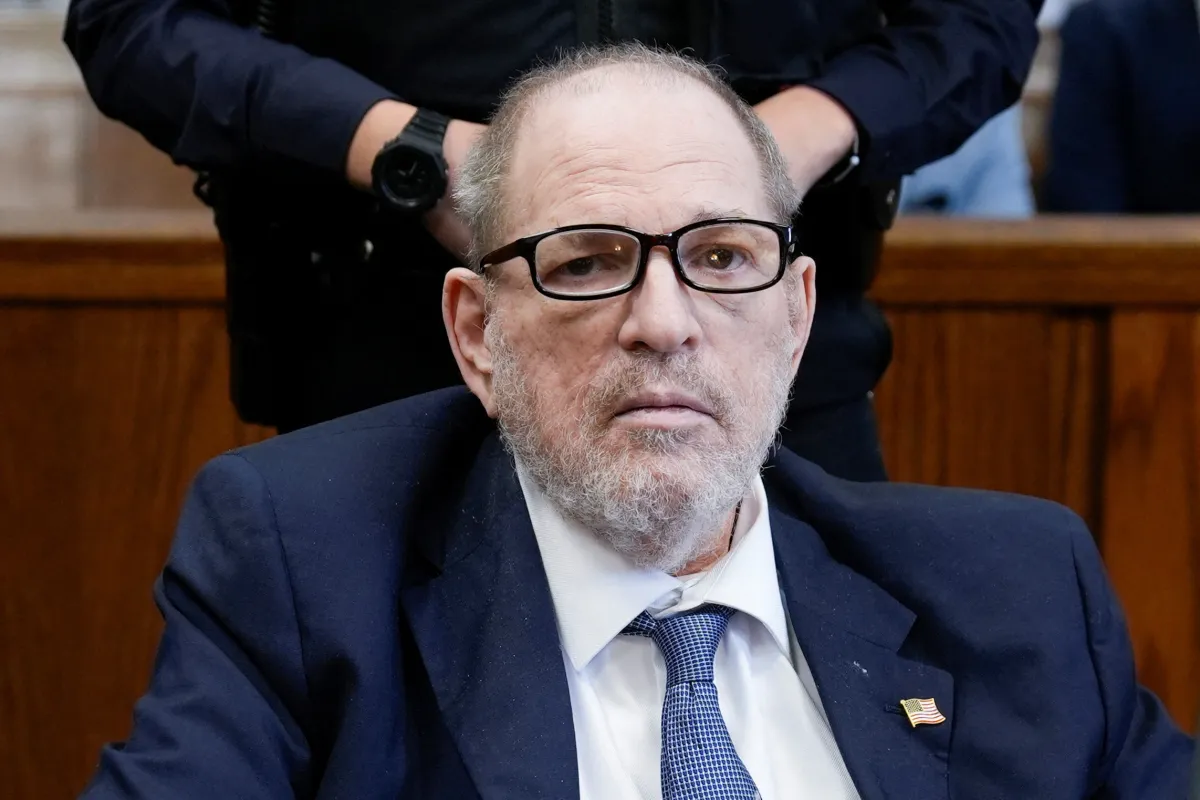 Photo: Harvey Weinstein, via cloudfront-us-east-2.images.arcpublishing.com
 Photo: Johnny Depp, via dailyhighlight.com
The Price of Privacy
Settlement culture in celebrity legal disputes has reached fever pitch levels. Take the recent trend of sexual misconduct allegations against high-profile figures — many of these cases never see a courtroom because they're resolved through confidential agreements that can run into the millions. The alleged victims get compensated, the celebrities avoid public trials that could torpedo their careers, and the rest of us are left wondering what actually happened.
Legal experts say this system has created a two-tiered justice system where wealth literally buys silence. "When you have enough money, you can essentially purchase your way out of public accountability," says entertainment attorney Lisa Chen, who has worked on several high-profile celebrity cases. "The settlement becomes the story, not the underlying behavior."
The math is simple: a few million in settlement money is often cheaper than the potential career damage from a prolonged public legal battle. For A-listers who can command $20 million per film, paying $5 million to make a problem disappear isn't just smart business — it's a cost-effective reputation management strategy.
The Divorce Industrial Complex
Nowhere is settlement silence more prevalent than in celebrity divorces, where NDAs have become as standard as prenups. When Kim Kardashian and Pete Davidson split, the lack of messy public details wasn't an accident — it was contractual. Same with countless other high-profile breakups that start with paparazzi chaos and end with lawyers' statements about "amicable separations."
 Photo: Kim Kardashian, via cdn.whatsonthestar.com
These divorce settlements often contain clauses that go far beyond financial terms. Sources familiar with celebrity divorce proceedings say NDAs commonly include restrictions on discussing everything from parenting decisions to business dealings to personal habits. One entertainment lawyer, speaking anonymously, described seeing NDAs that prohibited ex-spouses from even acknowledging they had ever met certain people.
"The goal isn't just to protect privacy," the source explains. "It's to control the entire narrative around the relationship, both during and after."
What We're Not Allowed to Know
The most frustrating part of settlement culture is how it creates information black holes around stories the public has legitimate interest in knowing about. When powerful people can simply write checks to make accusations disappear, it raises questions about accountability and transparency.
Consider the pattern: explosive allegations surface, media coverage intensifies, legal teams mobilize, and then... nothing. A brief statement about reaching an "amicable resolution" and suddenly, everyone involved acts like nothing happened. The accusers can't talk, the accused won't talk, and we're all supposed to just move on.
This silence is particularly problematic when it comes to allegations of abuse, harassment, or other serious misconduct. Legal experts argue that confidential settlements in these cases don't just protect individual reputations — they can enable patterns of harmful behavior by preventing other potential victims from coming forward.
The Strategic Advantage
From a pure crisis management perspective, confidential settlements are brilliant. They allow celebrities to resolve legal issues without admitting wrongdoing, preserve their ability to secure future work, and prevent the kind of damaging details that can haunt careers for decades.
But this strategy only works because the legal system allows it. Unlike criminal cases, civil disputes can be resolved privately, meaning the public never gets access to evidence, testimony, or even basic facts about what happened. The settlement becomes a legal eraser, wiping away not just the lawsuit but often any public record of the underlying allegations.
The Ripple Effect
The prevalence of confidential settlements has created a culture where silence is seen as standard rather than suspicious. When every celebrity legal dispute ends the same way, we start to accept that we're not entitled to know what our public figures are actually like behind closed doors.
This normalization of secrecy has broader implications beyond individual cases. It shapes how we understand celebrity accountability and what level of transparency we should expect from public figures who profit from their public personas.
What Happens Next
As settlement culture becomes more entrenched, some legal experts are pushing for reforms that would limit the use of NDAs in cases involving allegations of misconduct. Several states have already passed laws restricting confidentiality agreements in sexual harassment cases, and there's growing pressure to extend these protections.
But for now, the settlement silence continues. Every time a celebrity legal drama disappears behind confidential terms, we're reminded that in Hollywood, the most important stories are often the ones we're not allowed to hear.
The real question isn't whether celebrities have the right to settle their legal disputes privately — it's whether we should be comfortable with a system that allows wealth to buy silence, especially when that silence might be protecting behavior the public has a right to know about.