The Invisible Celebrity Problem
Remember when celebrities actually showed up? Not just physically — though that's becoming rarer too — but mentally, emotionally, authentically present for the machine that made them famous. In 2025, we're witnessing something unprecedented: A-list stars systematically removing themselves from their own narratives, sending stand-ins, surrogates, and carefully coached representatives to do the heavy lifting of being... well, them.
It started subtly. A publicist accepting an award "on behalf of" their client who was "filming overseas." A stylist doing red carpet interviews about "their collaboration" with a mysteriously absent star. Pre-recorded video messages that felt suspiciously scripted playing at events where the celebrity was supposedly "live" via satellite. But what began as occasional convenience has morphed into something more concerning: the systematic outsourcing of celebrity itself.
The Delegation Generation
Take the recent Golden Globes, where three major nominees sent representatives instead of attending themselves. Not because of scheduling conflicts or health issues, but because, as one industry insider put it, "showing up in person just isn't worth the risk anymore." The risk of what? Unscripted moments. Genuine reactions. The possibility of being human in public.
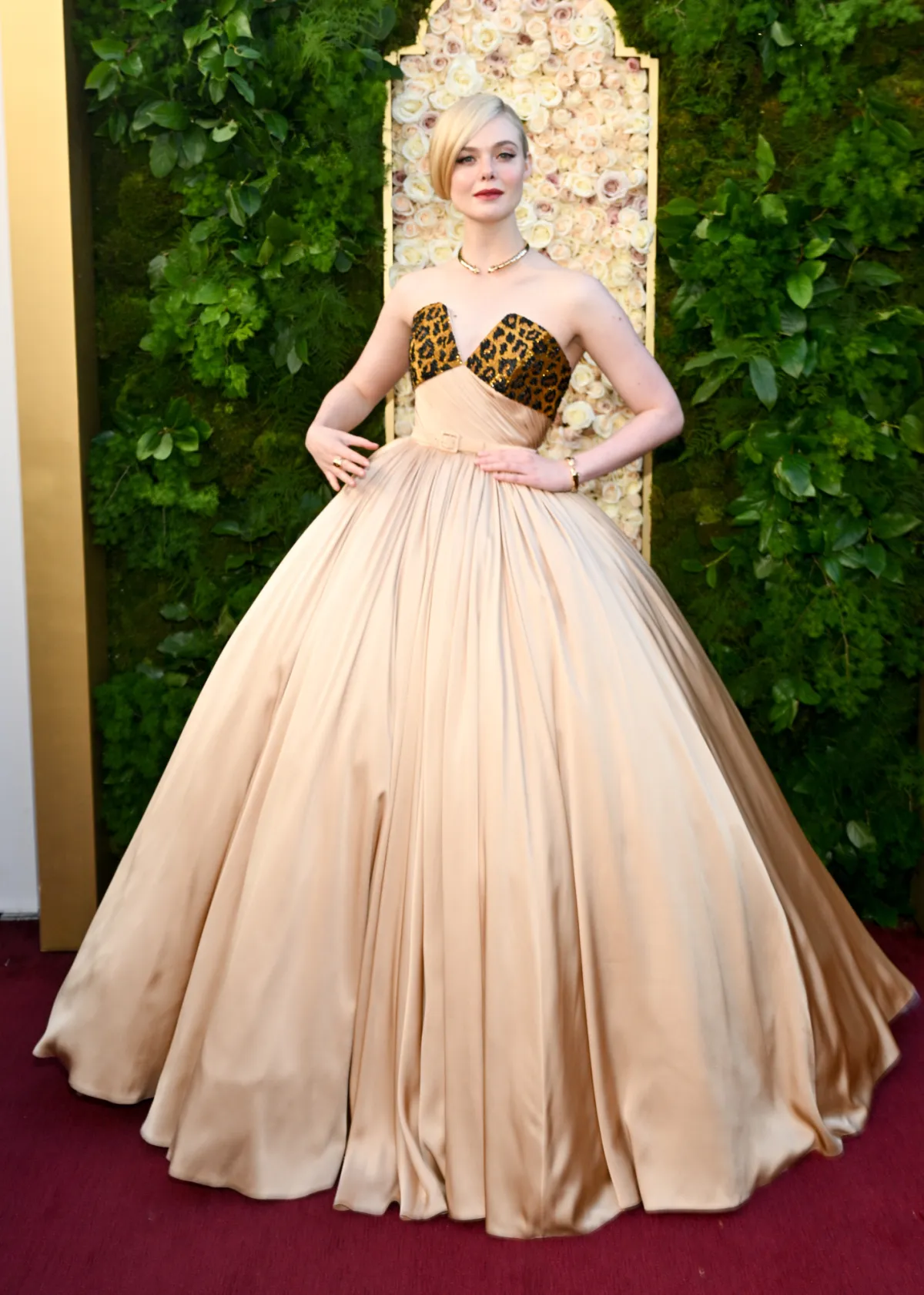 Photo: Golden Globes, via wwd.com
Social media has amplified this trend exponentially. Why risk a candid interview when your social media manager can craft the perfect response? Why attend a premiere when your stylist can post outfit photos that generate the same buzz? The machinery of fame has become so sophisticated that the actual famous person has become... optional.
"We're seeing clients who genuinely believe their 'team' represents them better than they represent themselves," reveals a veteran publicist who requested anonymity. "They've watched their carefully curated image perform better than their authentic self for so long that they've started to step aside and let the brand take over completely."
The Authenticity Paradox
The irony is palpable. In an era where fans crave "authentic" content and "real" connections with celebrities, the stars themselves are becoming increasingly artificial. They're present everywhere and nowhere simultaneously — their faces on magazine covers, their quotes in interviews they never gave, their "personalities" crafted by teams who know their brand better than they know themselves.
Consider the recent phenomenon of "celebrity statement culture." When controversy strikes, fans don't expect to hear from the celebrity directly anymore. They wait for the carefully crafted statement, vetted by legal teams and focus-grouped for maximum damage control. The star's actual thoughts, feelings, or reactions have become irrelevant compared to what their brand should say.
This delegation extends beyond crisis management. Award show appearances are now orchestrated by teams of handlers who coach every gesture, every reaction shot, every candid moment. Red carpet interviews are pre-scripted with approved talking points. Even "spontaneous" social media posts are scheduled weeks in advance by content teams.
The Fan Disconnect
But here's where it gets interesting: fans are starting to notice. Social media is buzzing with observations about celebrities who seem "off" in recent appearances, who feel "robotic" or "coached." TikTok users are creating viral content comparing stars' current public personas to their earlier, more spontaneous selves. The comments sections are filled with fans asking, "Where is the real [insert celebrity name]?"
"It's like they're all reading from the same script now," observes pop culture commentator Sarah Chen. "The individuality that made us fall in love with these people in the first place has been focus-grouped out of existence."
 Photo: Sarah Chen, via i.discogs.com
Some celebrities have become so removed from their own public presence that they reportedly discover what "they" said in interviews by reading about it online later. Their teams make statements, book appearances, and even accept projects without meaningful input from the actual star.
The Business of Being Absent
From a business perspective, this makes perfect sense. Why risk a star having an off day, saying something unscripted, or showing genuine emotion when a trained professional can deliver exactly what the brand needs? It's efficient, predictable, and infinitely more controllable.
But it's also creating a new kind of celebrity — one that exists more as intellectual property than as a person. These stars are becoming brands first, humans second, with their actual presence in their own careers becoming increasingly optional.
The entertainment industry has always been about illusion, but we're witnessing something unprecedented: the complete replacement of the person with their persona, managed and operated by committee.
What Comes Next?
As this trend accelerates, we're approaching a fascinating inflection point. Will audiences continue accepting this increasingly artificial version of celebrity culture? Or will the pendulum swing back toward authenticity, with stars who show up as themselves gaining a competitive advantage?
Some younger celebrities are already rebelling against this system, insisting on unscripted interviews and genuine social media presence. But they're swimming against a powerful current of industry professionals who've discovered they can manufacture celebrity without the inconvenience of actual celebrities.
The question isn't whether stars will continue outsourcing their public personas — it's whether we'll even notice when they disappear entirely, leaving behind only the carefully managed ghosts of the people we thought we knew.