The Stylist Whisperers: The Unsung Fashion Architects Who Decide What Hollywood's Biggest Stars Wear — and the Feuds, Firings, and Power Moves Happening Behind the Rack
Photo: TamikaWest, CC BY-SA 4.0, via Wikimedia Commons
The Puppet Masters of the Red Carpet
When Zendaya stepped onto the Met Gala red carpet in that show-stopping Versace gown that broke the internet, the credit went to her stylist Law Roach — but what most people don't realize is that Roach had been planning that moment for months, coordinating with multiple fashion houses, negotiating loan agreements, and essentially directing a fashion film where his client was the star. Welcome to the hidden world of celebrity styling, where the person holding the garment bag wields more influence over public perception than most publicists, and where a single outfit choice can make or break careers.
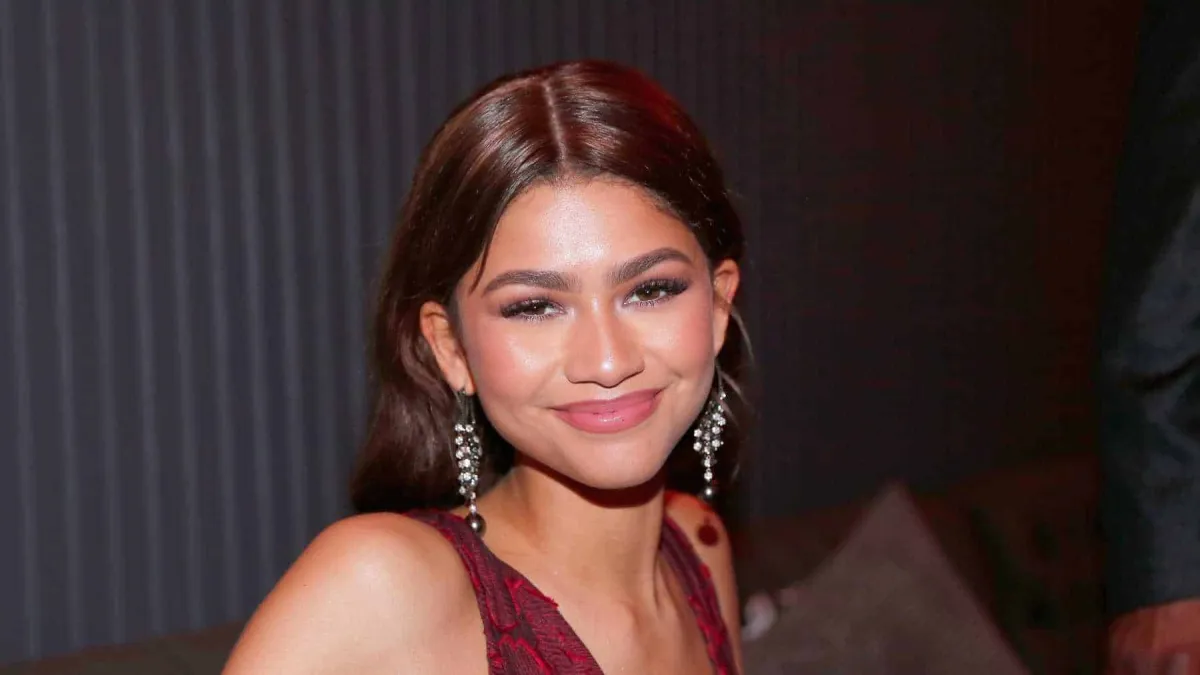 Photo: Zendaya, via tvovermind.com
The power dynamics in celebrity styling have shifted dramatically in the past decade. What was once a service industry has evolved into a creative partnership where top stylists command six-figure retainers, negotiate their own brand deals, and sometimes become more famous than their clients. When Law Roach announced his "retirement" from styling in 2023, the fashion world collectively panicked — not because they were losing a stylist, but because they were losing one of the few people who could guarantee a cultural moment with a single outfit choice.
The Million-Dollar Wardrobe Wars
Behind the glamorous Instagram posts and red carpet praise lies a surprisingly cutthroat business where stylists compete for access to exclusive pieces, fight for credit, and navigate complex relationships with fashion houses that can make or break their careers. The most successful stylists operate like fashion generals, maintaining relationships with dozens of designers while managing client expectations and media demands that would crush most people.
Rachel Zoe's empire — spanning reality shows, fashion lines, and a client roster that reads like a who's who of Hollywood — demonstrates how styling has evolved from a behind-the-scenes service to a full-fledged media business. But Zoe's success also illustrates the precarious nature of stylist-client relationships. Her highly publicized split with Anne Hathaway reportedly stemmed from creative differences, but industry insiders suggest it was actually about control and credit — two things that define most high-profile styling relationships.
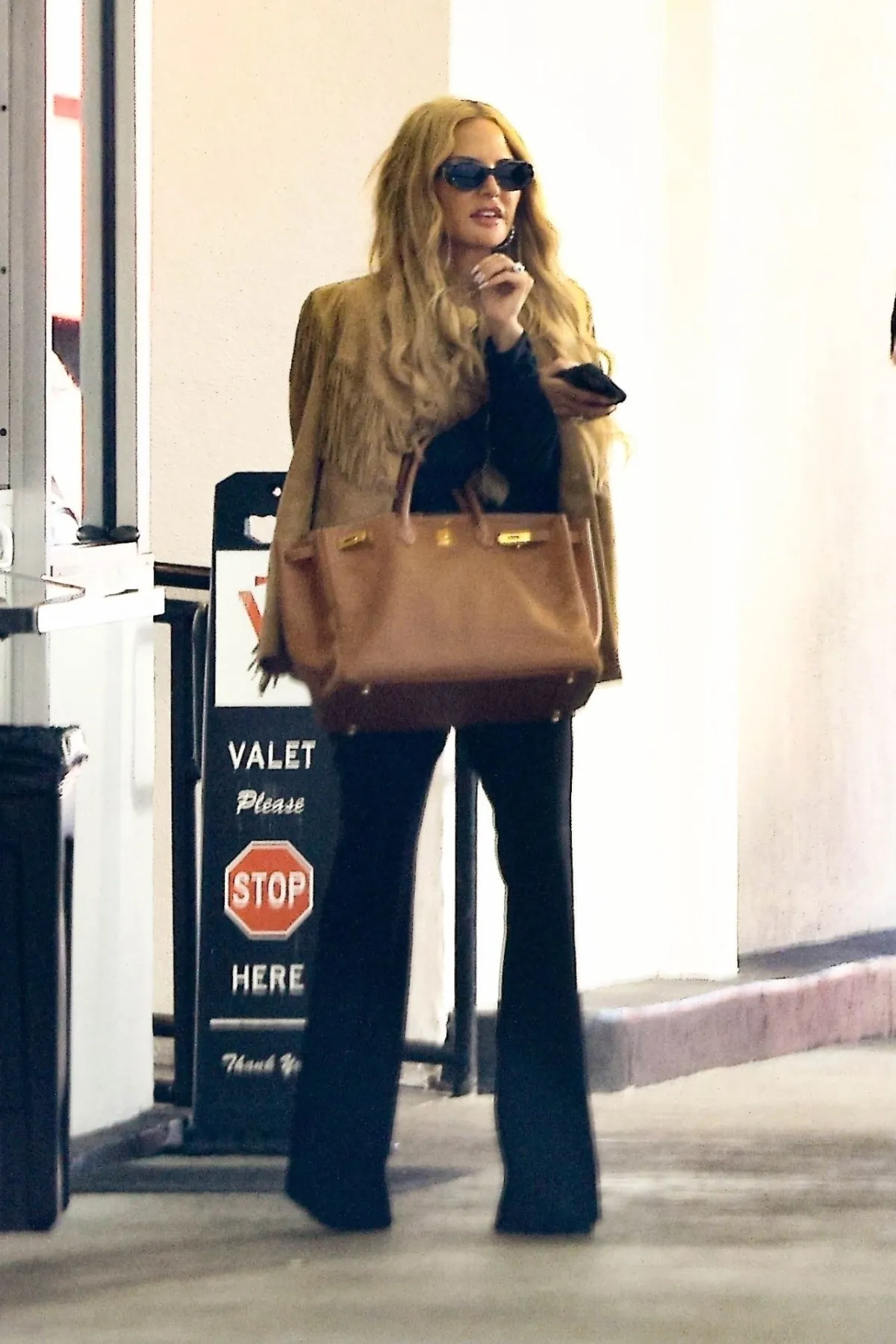 Photo: Rachel Zoe, via celebmafia.com
The financial stakes have grown exponentially as social media has turned every public appearance into a potential viral moment. Stylists now negotiate complex deals where they receive credit, compensation, and sometimes equity in the brands they help promote. When a stylist dresses a client in an emerging designer's piece that subsequently sells out, they're not just doing their job — they're actively participating in brand building and cultural influence.
The Credit Wars Nobody Talks About
Perhaps nowhere is the tension more apparent than in the ongoing battles over attribution and recognition. Social media has created a culture where stylists expect — and increasingly demand — public credit for their work, but not all celebrities are comfortable sharing the spotlight. The result is a series of passive-aggressive Instagram posts, carefully worded interviews, and behind-the-scenes drama that rivals any celebrity feud.
Kate Young, who styles Margot Robbie and Dakota Johnson, has mastered the art of getting credit without appearing to demand it, often appearing in behind-the-scenes photos and red carpet interviews. But other stylists have found themselves frozen out of the narrative entirely, their work attributed to the celebrity's "natural style" or dismissed as collaborative effort when it was clearly their creative vision.
The most dramatic example of stylist-client tension arguably played out between Rachel Zoe and her former assistant Brad Goreski, whose departure to start his own styling business created a rift that played out across reality TV, fashion magazines, and industry gossip for years. The subtext was clear: in a business built on relationships and access, loyalty is everything, and betrayal has consequences.
The Algorithm of Influence
What makes the current moment particularly interesting is how social media algorithms have changed the entire game. Stylists now have to consider not just how an outfit photographs, but how it will perform on Instagram, TikTok, and Twitter. The most successful stylists have become experts in creating "moments" — outfits that are designed to generate memes, inspire copycats, and dominate fashion conversation for weeks.
This has created a new category of stylist who operates more like a creative director than a traditional wardrobe consultant. They're thinking about narrative arcs, brand positioning, and cultural impact in ways that would have been unthinkable even five years ago. When Law Roach styled Zendaya's press tour for "Challengers," each outfit told a story about the character and the film, creating a meta-narrative that enhanced the movie's marketing campaign.
The Next Generation Power Players
The rising generation of stylists is approaching the job with an entrepreneurial mindset that's reshaping the entire industry. Stylists like Dani Michelle, who works with Dua Lipa, and Jared Ellner, who styles Lil Nas X, are building personal brands that exist independently of their celebrity clients. They're launching their own fashion lines, directing campaigns, and using their platform to champion emerging designers in ways that create cultural ripple effects far beyond red carpet coverage.
What's fascinating is how these relationships are becoming more collaborative and less hierarchical. The most successful stylist-client partnerships now function like creative collaboratives, where both parties contribute to the vision and share in the cultural impact. This shift reflects a broader change in how celebrity image-making works in the social media age — it's less about maintaining a perfect facade and more about creating authentic moments that feel both aspirational and relatable.
The styling industry's evolution from service provider to cultural influencer reflects larger changes in how fame, fashion, and influence intersect in the digital age — and the stylists who understand this shift are the ones writing the rules for everyone else.