Announced, Celebrated, Then Gone: The Hollywood Casting Reveal That's Becoming Its Own Genre of Disappearing Act
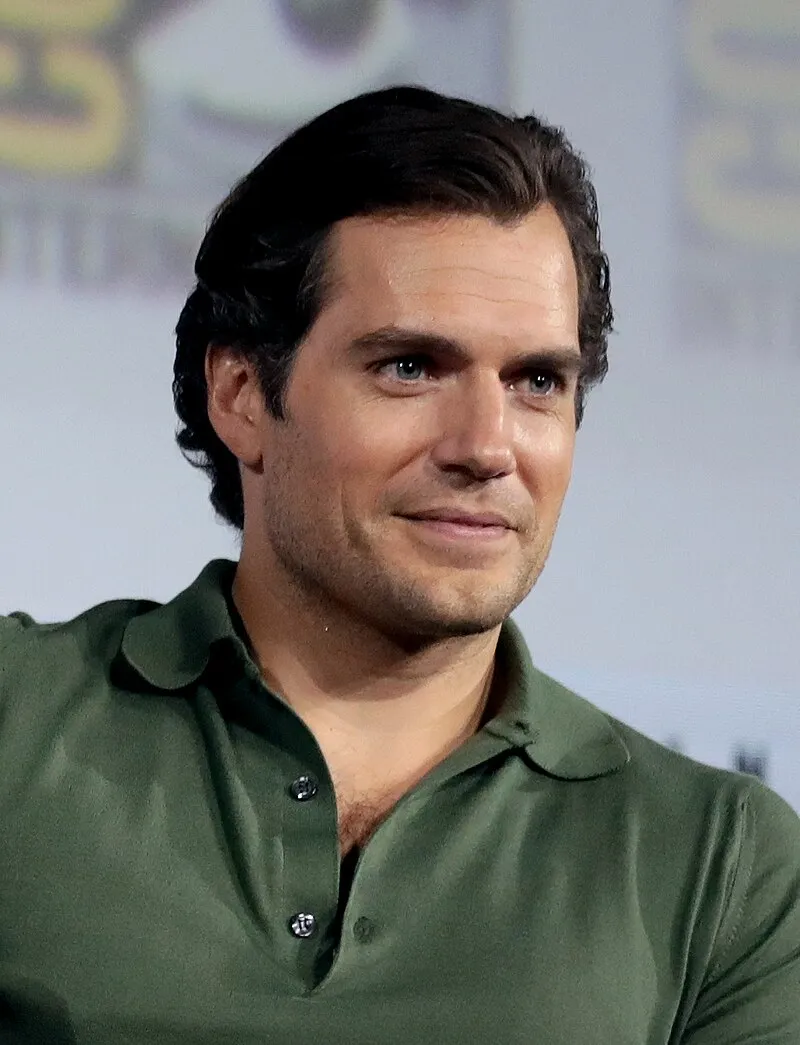
Photo of Henry Cavill, via Wikimedia Commons
Picture this: a major studio drops a casting announcement that sends the internet into full meltdown mode. The dream actor for the dream role. The comments are ecstatic. The fan edits start within the hour. Entertainment journalists file their takes. The trade headlines blare. And then — weeks, months, sometimes over a year later — a quiet little follow-up note appears, buried in a production update: the star is "no longer attached to the project due to scheduling conflicts."
And just like that, the casting that launched a thousand thinkpieces ceases to exist.
This is the casting announcement vanishing act, and it happens far more often than Hollywood would like you to notice.
The Announcement as the Actual Product
Here's the uncomfortable truth that the entertainment industry runs on but rarely articulates: a casting announcement generates value regardless of whether the film ever gets made or the actor ever shows up on set. The announcement itself — the press release, the trade coverage, the social media explosion, the think pieces — accomplishes a specific set of goals that have nothing to do with production.
For studios, a high-profile casting announcement signals momentum. It tells investors, distributors, and competing studios that a project is alive, exciting, and attracting talent. It generates pre-awareness for a film that may still be years from release. It can unlock financing. It can greenlight a greenlight.
For the actor, an announced attachment — even one that never materializes — keeps their name in circulation, signals that they're in demand, and fills the gap between their last project and their next one with the perception of activity. In a business where being talked about is almost as valuable as actually working, an announcement is a career asset even when it evaporates.
The result is a system where the press release has quietly become as strategically valuable as the project itself — sometimes more so.
The Paper Announcement Problem
Industry veterans have a name for projects that exist primarily as announcement vehicles: "paper movies" — productions that are real enough to generate coverage but not yet real enough to guarantee they'll actually get made. The casting announcement is often the most visible symptom of a paper movie in the wild.
The pattern typically goes like this: a producer or studio attaches a recognizable name to a project that is still in early development. The announcement generates press. The press generates investor interest. The investor interest is used to secure funding. If the funding comes through, great — maybe the movie happens. If it doesn't, the star quietly moves on, and the project either dies or gets reannounced with a different cast six months later.
The celebrity's team, for their part, often understands the arrangement perfectly. An early attachment to a prestigious or buzzy project costs the star nothing — they haven't committed to a start date, they haven't turned down other work, they've simply allowed their name to be associated with something exciting. If it falls apart, there's a ready-made exit in the form of "scheduling conflicts" or "creative differences" — phrases so generic they've become industry wallpaper.
The Exits That Made Headlines
Some of the most talked-about casting departures in recent years follow this blueprint with almost mechanical precision. The announcement lands huge, the internet celebrates, and then something shifts — quietly, off the record, attributed to sources rather than official statements — and the star is gone.
Henry Cavill's on-again, off-again relationship with the Superman franchise is one of the more public examples of casting instability at the highest level. Announced, celebrated, seemingly secured — then the situation changed, then changed again, in a cycle that generated more press than several actual films combined. Whatever the behind-the-scenes reality of those decisions, the public-facing result was a years-long will-they-won't-they that kept both Cavill and the Superman IP in constant conversation without either party having to do very much.
 Photo: Henry Cavill, via www.looper.com
The Marvel and DC universes, in particular, have become expert generators of this kind of casting news energy — where the announcement of who might be in a project, who's rumored to be returning, or who's allegedly been offered a role drives engagement cycles that function almost independently of actual production timelines.
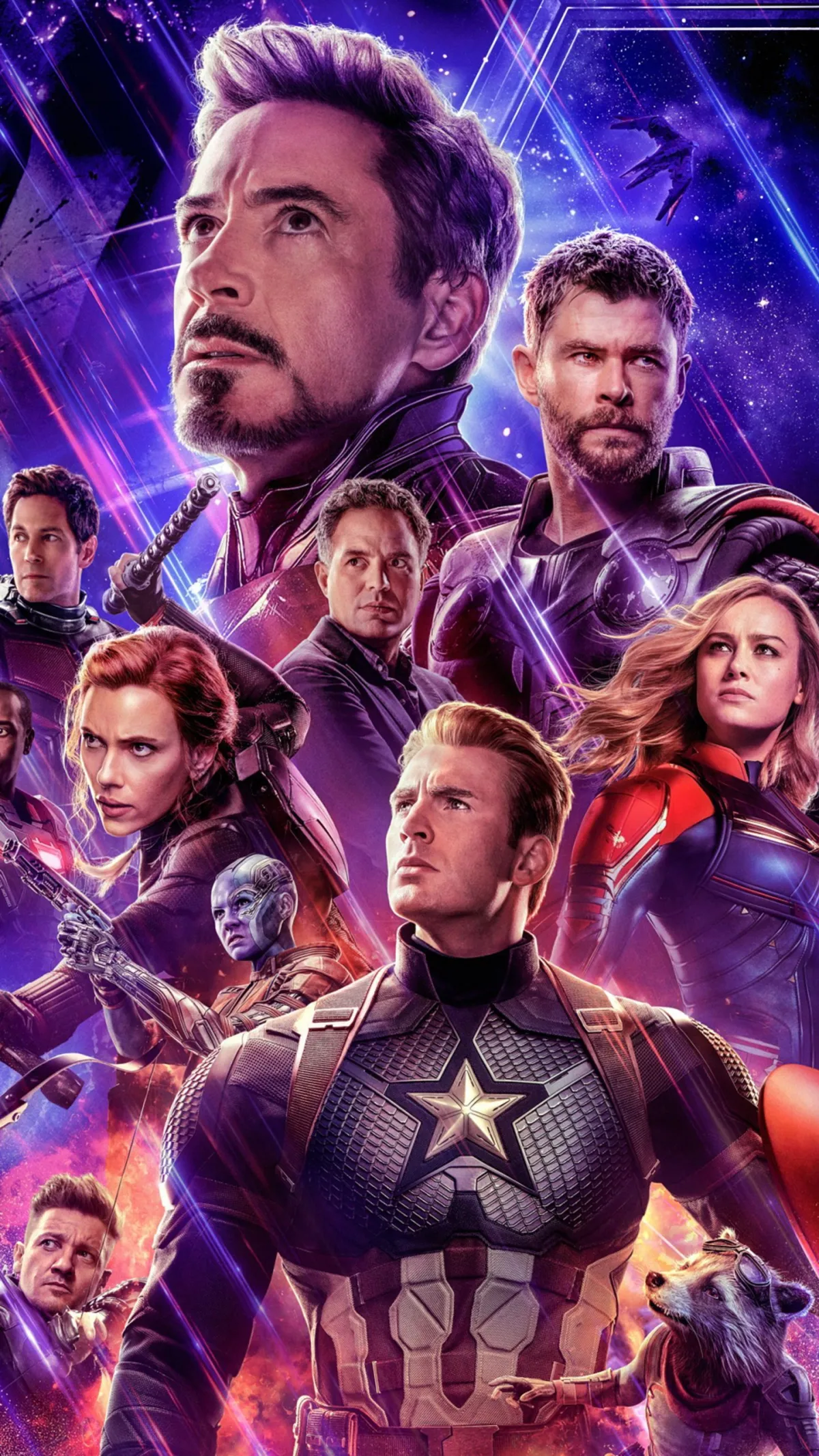 Photo: Marvel, via wallpapercave.com
The Real Reasons Stars Walk
When a high-profile casting quietly unravels, the official explanation is almost never the complete one. "Scheduling conflicts" is the industry's most versatile euphemism — it can mean exactly what it says, or it can mean salary negotiations collapsed, or the script went through a rewrite that changed the role significantly, or the director and the star's team had a creative vision disagreement that couldn't be resolved, or the star got a better offer and needed a graceful exit.
"Creative differences" is the other workhorse phrase, and it covers an even wider range of actual scenarios — from genuine artistic incompatibility to interpersonal conflicts on set during early production to a star simply deciding they don't want to be associated with a project whose trajectory has shifted.
Salary disputes are probably the most common real reason that never gets named publicly. When a studio announces a star for a project early in development, the financial terms are often not yet fully negotiated. As the project moves forward, the numbers that seemed workable in early conversations can stop making sense — especially if the star's market value has changed, if the project's budget has been revised downward, or if a competing offer has reset expectations on both sides.
The Fan Fallout
The people who bear the actual cost of the casting announcement vanishing act are, almost universally, the fans — the ones who spent months building hype, creating content, and emotionally investing in a version of a project that was never confirmed to exist in the first place.
This is one of the more underexamined dynamics in the entertainment industry's relationship with its audience. Studios and stars benefit from the fan energy that casting announcements generate, but they carry no real accountability when those announcements fall apart. The audience absorbs the disappointment; the industry moves on to the next announcement.
Social media has made this dynamic more visible and more volatile. When a beloved casting falls apart, the reaction isn't just disappointment — it's a documented public event, complete with grief posts, conspiracy theories about why it really happened, and petitions that will accomplish nothing but generate more press for the project.
What to Watch For
The tells that a splashy casting announcement might not survive to production are worth knowing. Watch for announcements that come very early in a project's development — before a director is attached, before a production start date is confirmed, before distribution is secured. Watch for language like "in talks" or "attached" rather than "cast" or "confirmed." Watch for projects that cycle through multiple high-profile casting announcements in a short period, each one generating its own press cycle.
And when the star quietly disappears from the project page? Read the trades closely. The real story is almost always in the third paragraph, attributed to a source who declined to be named.
In Hollywood, the announcement is the beginning of the story — but it's almost never a promise about how it ends.