When the Director Yells Cut: The On-Set Romance Pattern That Hollywood Keeps Repeating
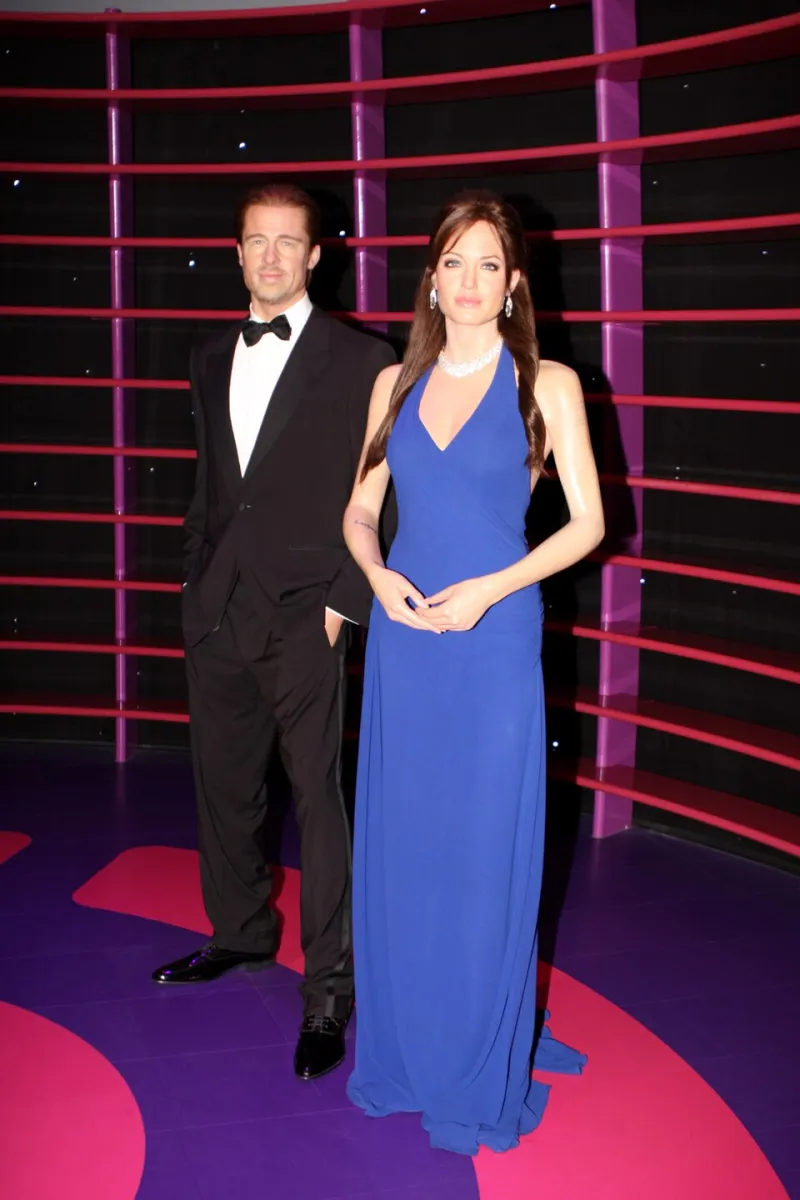
Photo: Eva Rinaldi, CC BY-SA 2.0, via Wikimedia Commons
Hollywood has a long, well-documented habit of turning scripted intimacy into the real thing — and an equally well-documented habit of watching those relationships fall apart once the production wraps. From Brad and Angelina to Kristen and Robert to the latest set romance making headlines, the co-star coupling cycle is as reliable as the sequel machine. The question nobody wants to ask out loud: is manufactured chemistry even capable of surviving real life?
Let's start with the obvious: falling for your co-star is not a new phenomenon, and it is not unique to Hollywood. Workplace romances happen everywhere. But the entertainment industry creates conditions for emotional entanglement that most workplaces do not — and the specific alchemy of the film set makes the resulting relationships both more intense and, often, more fragile than anything that develops under ordinary circumstances.
The Set as a Sealed World
Anyone who has spent time on a film or television production will tell you that sets have their own internal logic. They are physically isolated from the outside world — often literally, in the case of location shoots. They operate on compressed timelines where the normal social barriers between strangers collapse quickly. Cast members spend long hours together in conditions of enforced proximity, frequently performing scenes that require emotional vulnerability, physical closeness, or simulated intimacy.
Psychologists have a term for what happens in these environments: the "stranger on a train" effect, or more formally, situational intimacy. When people share intense experiences in isolated settings, they tend to form emotional bonds faster and more intensely than they would under normal conditions. The bond feels real — because in many ways it is real — but it is also partly a product of the environment rather than an authentic reflection of long-term compatibility.
Add to this the specific demands of acting, which requires performers to access genuine emotional states and project them toward their scene partners, and you have a recipe for connections that feel profound in the moment and sometimes struggle to translate once the context disappears.
The Archive Is Long
The history of high-profile on-set romances — and their aftermaths — is extensive enough to constitute its own genre.
Brad Pitt and Angelina Jolie met on the set of Mr. & Mrs. Smith in 2004, when Pitt was still married to Jennifer Aniston. The relationship that followed was one of the most scrutinized in modern celebrity history — a 12-year partnership that produced six children and a marriage before ending in a 2016 separation that has since generated years of ongoing legal proceedings. The Jolie-Pitt divorce case remains active as of 2025, with disputes over a French winery among the unresolved issues. Whatever the relationship was at its peak, the dissolution has been anything but cinematic.
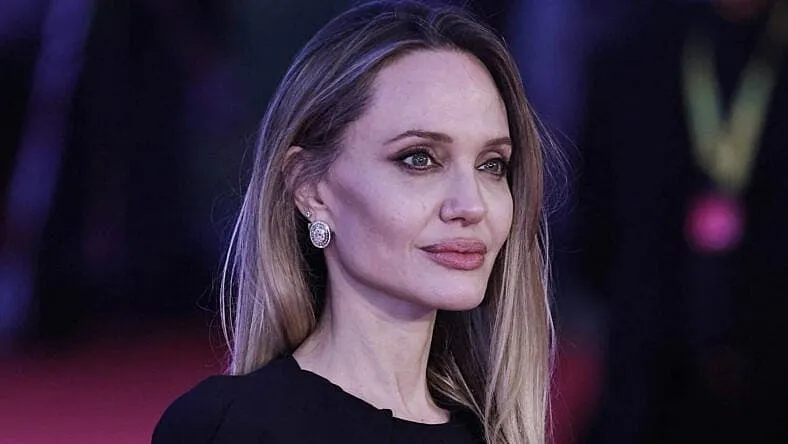 Photo: Angelina Jolie, via media.theblast.com
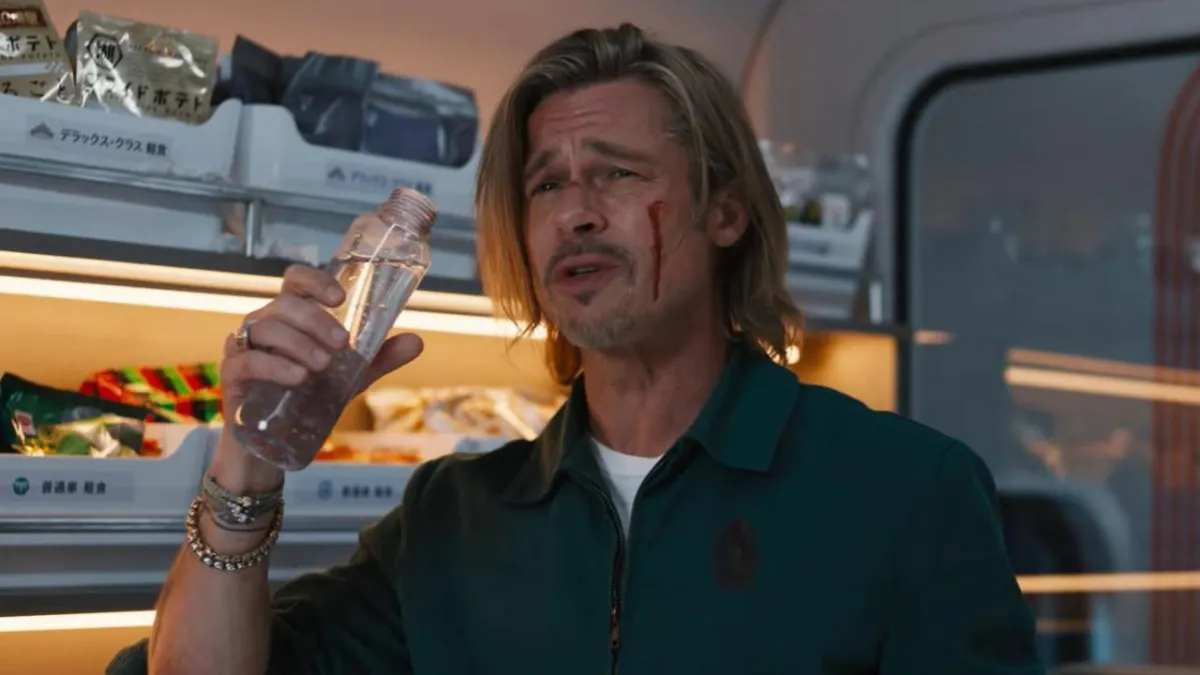 Photo: Brad Pitt, via cdn.sortiraparis.com
Kristen Stewart and Robert Pattinson became a couple during the filming of the Twilight franchise — a circumstance that made their real-life relationship essentially inseparable from the fictional one in the public's mind. Their split in 2013, following Stewart's highly publicized involvement with director Rupert Sanders, played out in a media environment that had spent years conflating the actors with their characters. The line between the story and the reality had been so thoroughly blurred that the breakup felt, to a significant portion of the audience, like a plot betrayal.
More recently, the relationship between Florence Pugh and Zach Braff — which developed during their work together — and the coupling of Glen Powell and Sydney Sweeney during the promotional cycle for Anyone But You (with persistent, if unconfirmed, speculation about the nature of their connection) have kept the conversation current. Notably, Powell and Sweeney have both consistently maintained that their relationship is professional, which hasn't stopped the internet from treating every joint appearance as evidence to the contrary.
The Publicity Dimension
It would be naive to discuss on-set romances without acknowledging the role that studio publicity machinery plays in shaping the narrative around them. A genuine romantic connection between two leads is, from a marketing perspective, essentially free advertising. It generates tabloid coverage, social media engagement, and the kind of authentic emotional investment from audiences that no press junket can manufacture.
This creates a complicated incentive structure. Studios and publicists have historically been willing — sometimes enthusiastic — participants in the amplification of real or rumored co-star romances when it serves the film's promotional interests. The question of where organic attraction ends and managed narrative begins is one that even the people involved sometimes struggle to answer.
The Anyone But You situation is instructive here. The film's marketing leaned heavily into the real-life chemistry question, and the resulting media cycle was almost certainly a factor in a romantic comedy outperforming expectations at the box office. Whether that dynamic is exploitative, mutually beneficial, or simply the natural intersection of art and commerce depends heavily on your perspective — and on what, if anything, was actually happening between the actors.
Why They Don't Usually Last
The psychological literature on situational bonding offers some useful framing here. Relationships that form in high-intensity, context-specific environments tend to face a particular challenge: the person you fell for was, in part, a version of themselves shaped by that environment. When the environment changes — when the production ends, the cast disperses, and both parties return to their ordinary lives — the relationship has to survive the transition from an exceptional context to an ordinary one.
For actors specifically, this transition is complicated by the fact that the intimacy they developed was, at least in part, performed. Not fake — the emotions accessed in good acting are genuine — but performed in the sense that they were deliberately cultivated for an external purpose. Disentangling what was real from what was craft, and what was felt for the person from what was felt for the character, is genuinely difficult work. Not every couple has the tools, the time, or the inclination to do it.
There's also the practical reality of what life looks like post-production. Actors often move immediately into the next project, which may involve a new set, new co-stars, and the same conditions that sparked the original connection. The industry doesn't pause for relationships to stabilize.
The Ones That Beat the Odds
It's worth noting that not every on-set romance follows the collapse trajectory. Ryan Reynolds and Blake Lively met filming Green Lantern in 2011 — a movie that was, by almost every measure, a professional disaster — and have been married since 2012 with four children. Their relationship has become something of a cultural touchstone for the idea that Hollywood couples can, in fact, work.
 Photo: Ryan Reynolds, via i.ytimg.com
Emily Blunt and John Krasinski, who met at a dinner party rather than on set but whose careers have occasionally intersected professionally, are another frequently cited counterexample. The point being: the pattern is real, but it is not destiny.
What the Pattern Actually Tells Us
The co-star romance cycle says something interesting about the entertainment industry's relationship with its own mythology. Hollywood makes its living selling love stories — the meet-cute, the slow burn, the earned happy ending. When its own inhabitants live out those narratives in real time, the audience watches with the same investment they bring to the films. And when the credits roll on the relationship, the disappointment is proportionally genuine.
Maybe the uncomfortable truth is that the industry's most profitable love stories and its most personal ones are constructed from the same materials, under the same artificial lights, with the same uncertain shelf life once the production shuts down.
The cameras stop rolling. The feelings don't always get the memo.