The Golden Handcuffs Are Getting Tighter
Remember when landing a Netflix deal felt like winning the Hollywood lottery? Those days are officially over. What was once the ultimate flex — your own streaming series, creative freedom, global reach — has quietly become the place where celebrity careers go to die a slow, algorithmic death.
The streaming wars promised to liberate stars from the constraints of traditional Hollywood, offering them creative control and unprecedented reach. Instead, they've created a new kind of prison: one where A-listers can headline massive productions and still disappear from cultural conversation faster than you can say "Did you watch that thing on Netflix?"
When Algorithms Decide Your Fate
Take Kaley Cuoco's "The Flight Attendant" on Max. Despite critical acclaim and Emmy nominations, the show struggled to break through the noise of the platform's crowded content library. Or consider how quickly Ryan Murphy's "The Politician" on Netflix went from buzzworthy to background noise, despite starring Jessica Lange and Gwyneth Paltrow.
The problem isn't quality — it's visibility. Streaming platforms have created an environment where even star-studded content can get buried by their own recommendation algorithms. Unlike traditional TV, where a prime time slot guaranteed eyeballs, streaming success depends on mysterious algorithmic factors that even industry insiders admit they don't fully understand.
"The algorithm doesn't care if you're Julia Roberts," reveals a former Netflix executive who spoke on condition of anonymity. "It cares about engagement metrics, completion rates, and whether viewers immediately start another episode. Star power means nothing if the data doesn't support it."
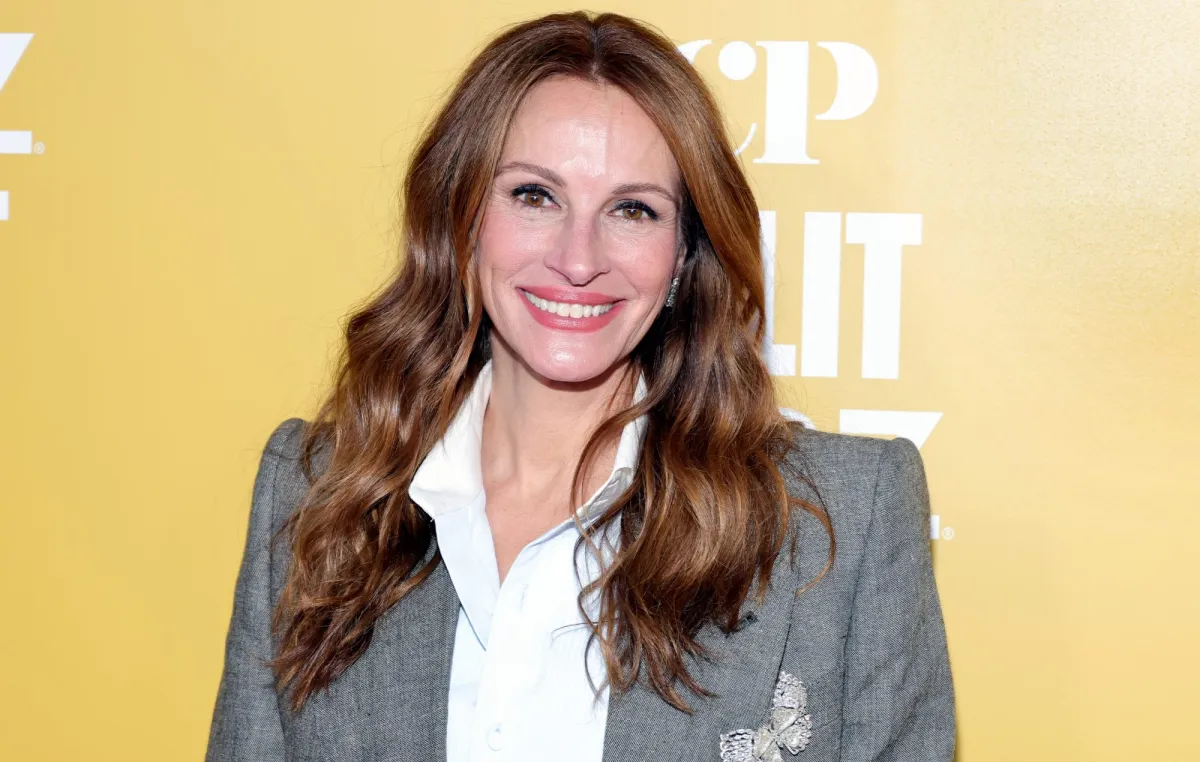 Photo: Julia Roberts, via www.nme.com
The One-Season Wonder Epidemic
Perhaps nowhere is the streaming trap more evident than in the epidemic of one-season cancellations. High-profile shows starring A-list talent are getting axed faster than ever, leaving celebrities with incomplete narratives and damaged reputations.
Netflix's "Space Force" starring Steve Carell — a show that should have been a slam dunk given his track record — lasted just two seasons despite significant investment and promotion. Similarly, "The Duchess" starring Katherine Ryan was quietly canceled after one season, despite decent viewership numbers.
The issue isn't just the cancellations themselves, but how quickly they happen. Traditional networks would often give shows time to find their audience, but streaming platforms make swift decisions based on immediate data. This creates a high-stakes environment where celebrities have one shot to prove their worth — and the metrics they're judged on remain largely opaque.
The Prestige Paradox
Streamers initially courted A-list talent by promising prestige projects that would elevate both the platform and the star. But the reality has been more complicated. Shows that would have been considered prestigious on HBO or FX get lost in the endless scroll of streaming catalogs.
"There's a difference between being on a platform and being featured by a platform," explains entertainment analyst Sarah Mitchell. "Celebrities are learning that distinction the hard way."
Even successful streaming shows often fail to generate the cultural conversation that traditional TV once provided. When was the last time a Netflix series dominated water cooler talk the way "The Sopranos" or "Lost" did? The fragmented viewing experience of streaming means that even popular shows struggle to achieve true cultural penetration.
The Metrics That Matter (And Don't)
Streaming platforms guard their viewership data like state secrets, making it nearly impossible for stars and their representatives to gauge true success. Unlike traditional ratings, streaming metrics are complex and often contradictory. A show might have high completion rates but low overall viewership, or massive initial numbers that drop off dramatically.
This opacity has created a new form of career uncertainty for celebrities. They might think they're starring in a hit based on social media buzz, only to discover their show is considered a failure by the platform's internal metrics.
"It's like playing a game where the rules keep changing and nobody tells you the score," says one talent agent who has negotiated multiple streaming deals. "Clients are starting to question whether these platforms are worth the career risk."
The Escape Artists
Some celebrities have managed to navigate the streaming trap successfully, but their strategies reveal just how treacherous the landscape has become. Reese Witherspoon's approach with "Big Little Lies" and "The Morning Show" involved maintaining control as a producer and ensuring strong promotional support from the platform.
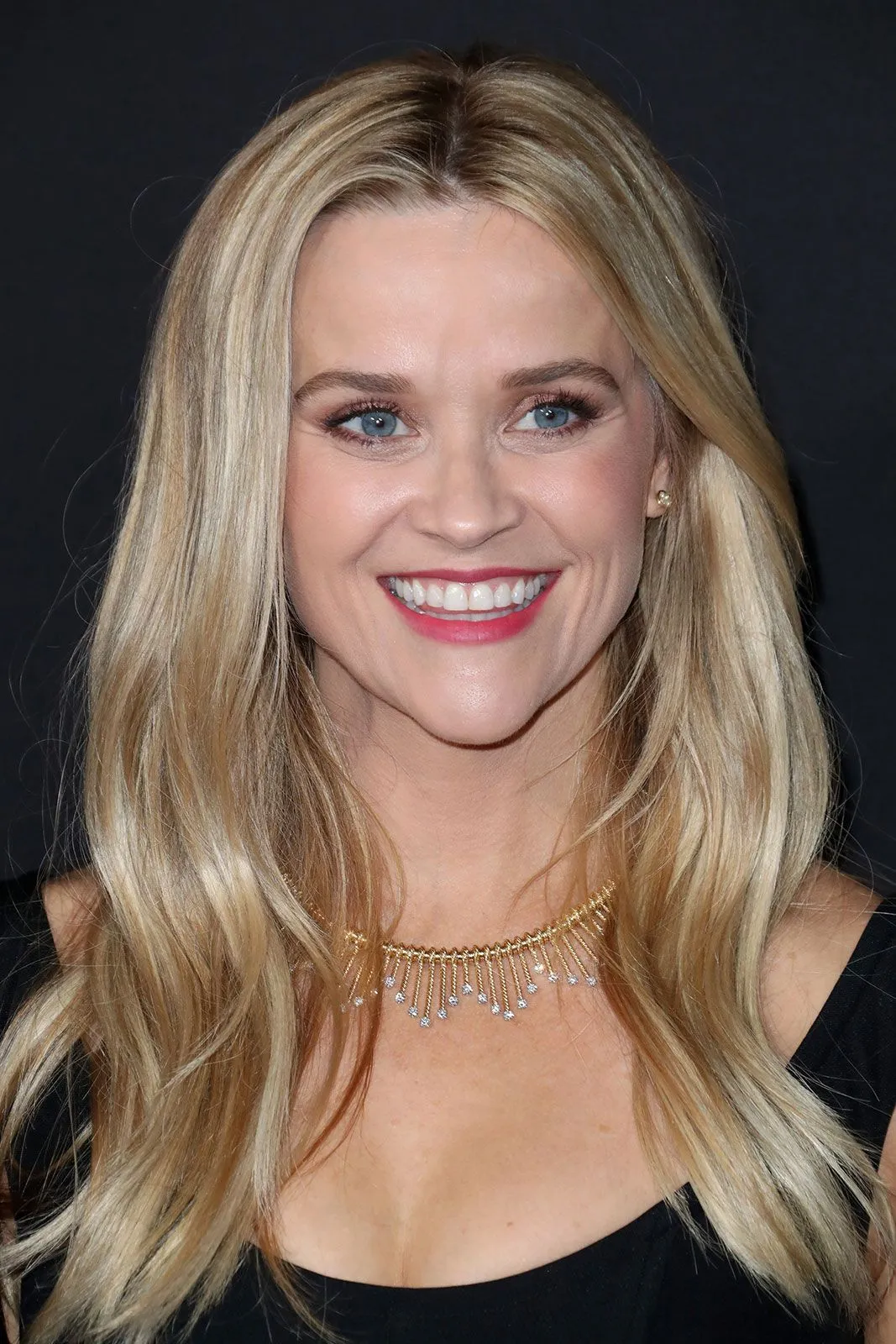 Photo: Reese Witherspoon, via cdn.britannica.com
Similarly, Ryan Reynolds has leveraged his social media savvy to promote his streaming projects directly to fans, bypassing the platform's promotional machinery entirely. But these success stories are the exception rather than the rule, and they require celebrities to essentially become their own marketing departments.
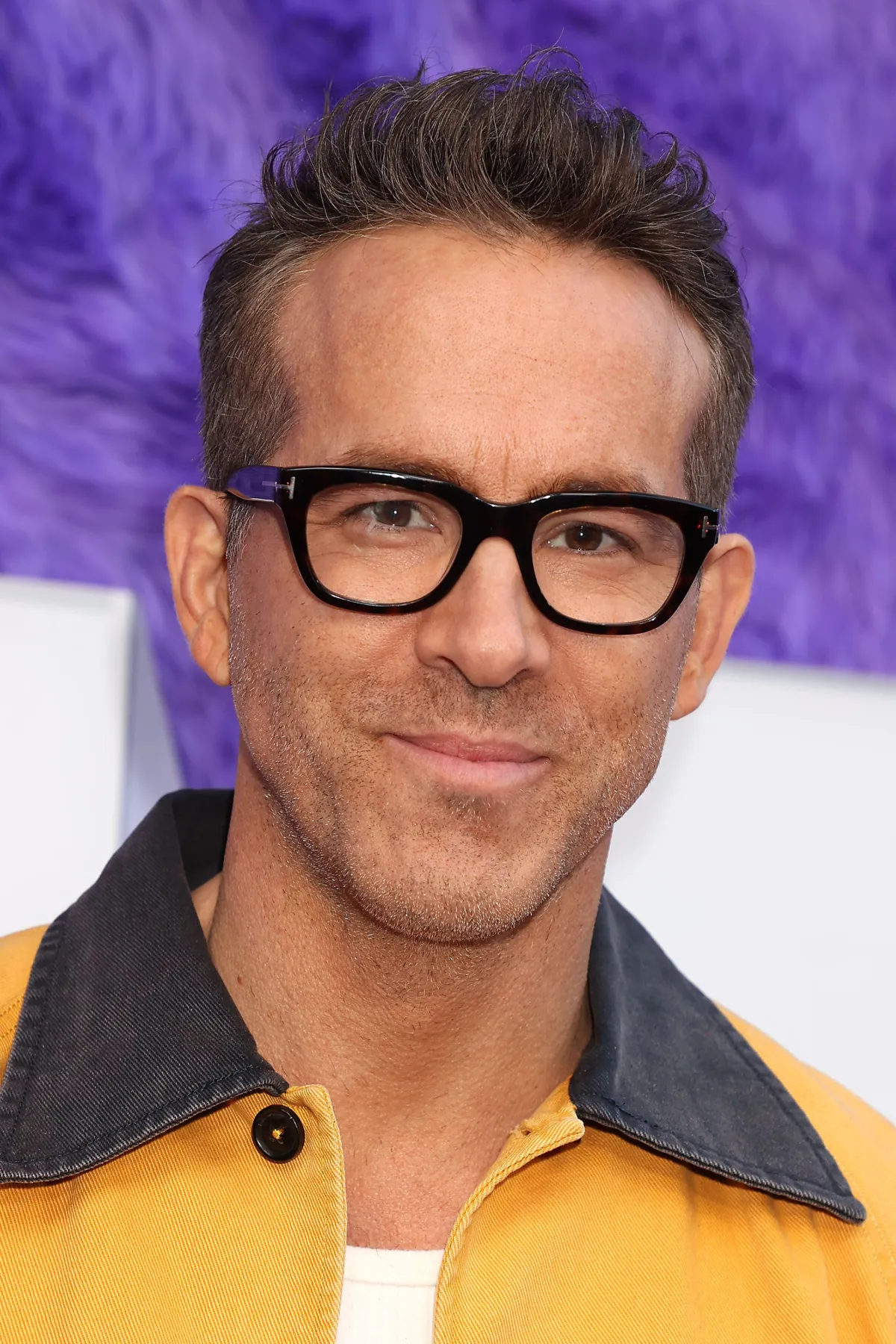 Photo: Ryan Reynolds, via static1.srcdn.com
The Reckoning
As streaming platforms face increasing pressure to turn profits, the golden age of celebrity deals is coming to an end. Budgets are tightening, and platforms are becoming more selective about the projects they greenlight and promote.
For celebrities, this means the streaming trap is only getting more dangerous. The promise of creative freedom and global reach remains, but so does the risk of career irrelevance. As one industry insider put it: "Streaming platforms made a lot of promises about being the future of entertainment, but they never mentioned that the future might not include stars as we know them."
The question now isn't whether streaming will continue to reshape celebrity culture — it's whether any stars will survive the transition with their careers intact.