When Your Love Life Becomes Your Livelihood
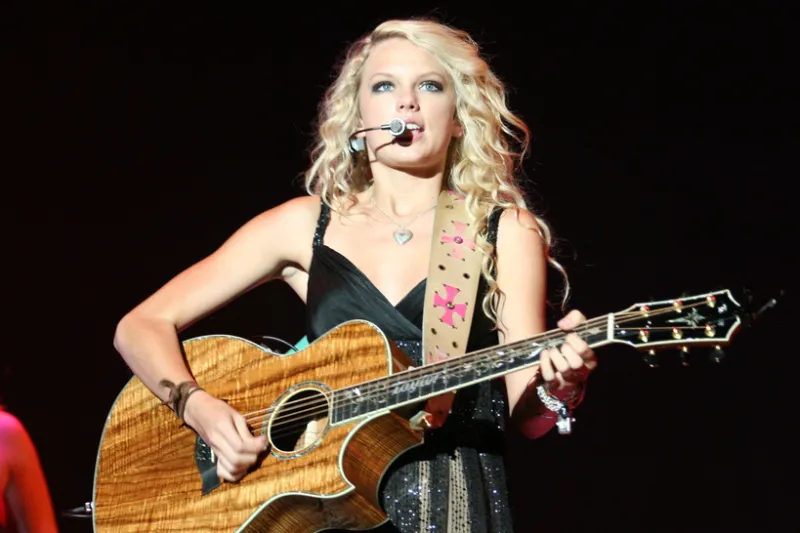
Taylor Swift just wrapped the highest-grossing tour in music history, but ask anyone what they remember most about the Eras Tour era and they'll probably mention Travis Kelce before they mention "Fortnight." Welcome to the Understudy Effect — the phenomenon where a celebrity's personal life doesn't just complement their career, it completely cannibalizes it.
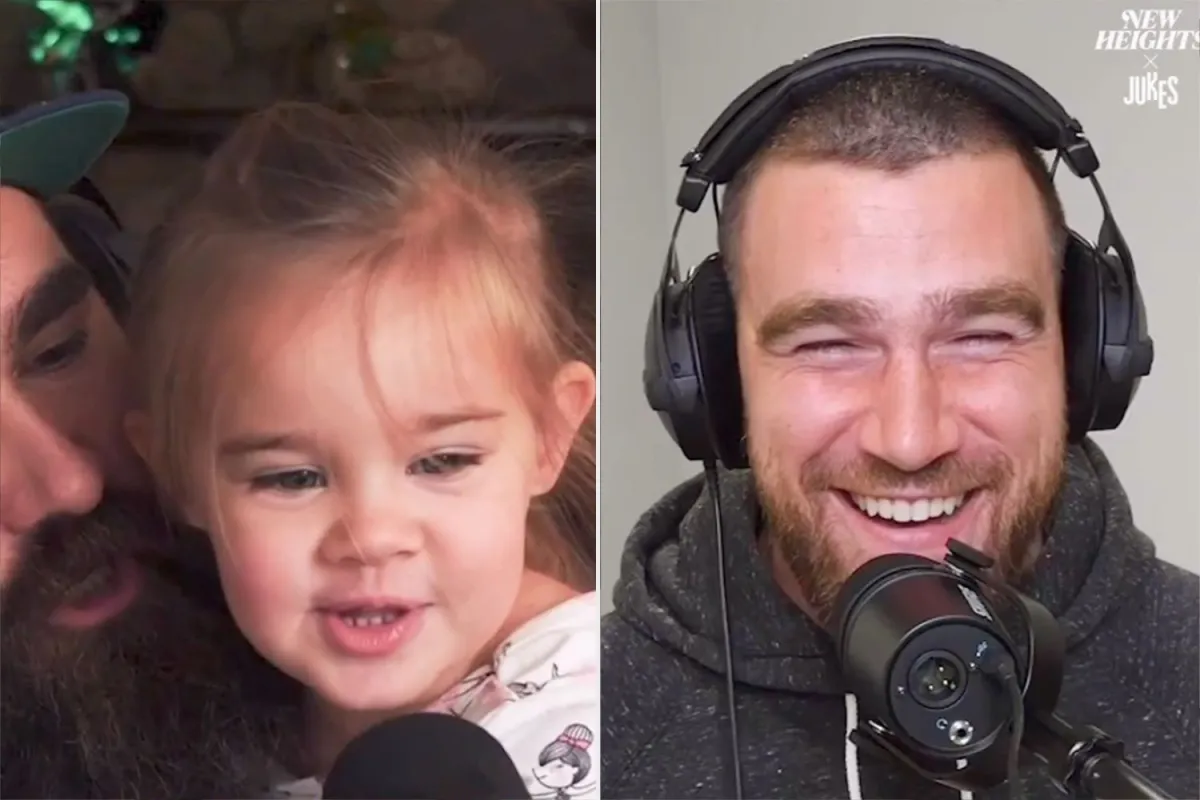 Photo: Travis Kelce, via people.com
We're not talking about the occasional tabloid splash or red carpet romance. This is about stars whose relationship status, family drama, or personal controversies have become so consuming that their actual professional work feels like the opening act to their own lives.
The New Hollywood Economics
The math is simple: personal drama generates more engagement than professional achievement. A single Instagram post of Swift and Kelce holding hands will rack up millions more interactions than her latest Grammy nomination announcement. Pete Davidson's dating history has become so central to his public persona that his actual comedy career feels secondary — when was the last time you heard anyone discuss his stand-up versus his romantic timeline?
This isn't entirely new, but social media has weaponized it. "Twenty years ago, you had to wait for People Magazine to tell you who was dating whom," says entertainment publicist Sarah Chen (not her real name, because talking about client strategies gets you fired). "Now, every coffee run is content. Every airport sighting is news. The personal has become the product."
The Current Casualties
Look at Kim Kardashian — arguably the queen of this phenomenon. Her business empire is worth billions, her prison reform advocacy has changed actual lives, and her law school journey represents a genuine pivot toward substance. But what dominated headlines in 2024? Her relationship dynamics, family feuds, and social media beef. The professional Kim gets buried under the personal Kim, every single time.
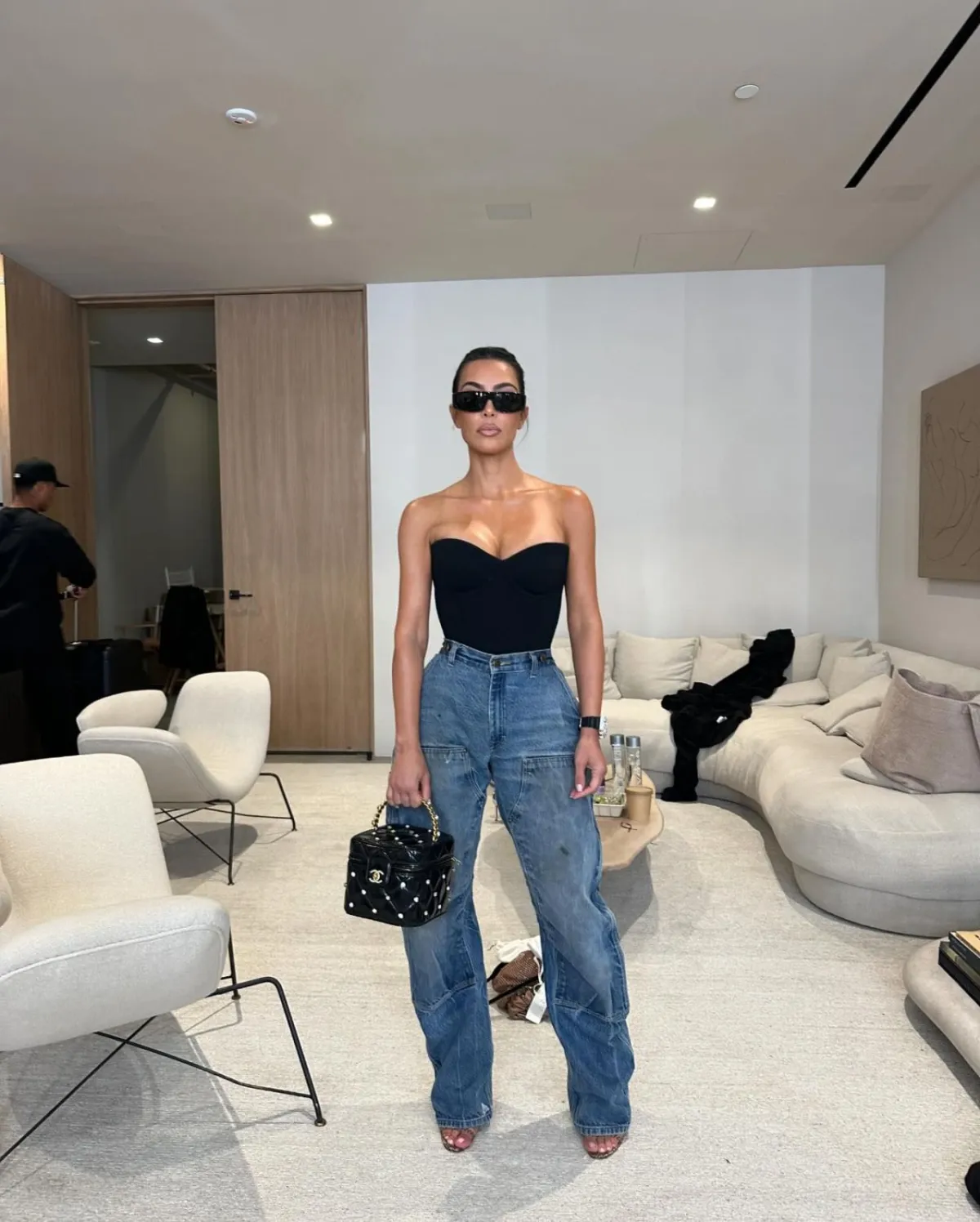 Photo: Kim Kardashian, via celebmafia.com
Then there's Ariana Grande, whose Wicked casting should have been the biggest career moment in years. Instead, the narrative got hijacked by speculation about her personal life and relationship timeline. The professional triumph became a footnote to the personal drama.
Jennifer Lopez presents another case study. Her recent projects — from documentaries to business ventures — consistently get overshadowed by relationship status updates. When your romantic life generates more Google searches than your filmography, you're living in the Understudy Effect.
The Willing Participants
Some celebrities have leaned into this dynamic, turning personal disclosure into professional strategy. The Kardashian-Jenner industrial complex perfected this model, where family drama becomes content, and content becomes revenue. Their personal lives aren't separate from their careers — they ARE their careers.
But even willing participants can lose control of the narrative. "You can start by strategically sharing pieces of your personal life," explains entertainment journalist Marcus Rivera. "But eventually, the audience expects access to everything. The line between performance and privacy disappears, and suddenly your breakup is trending higher than your album."
The Accidental Victims
Then there are the celebrities who never signed up for this level of personal scrutiny but found themselves trapped in it anyway. Zendaya's relationship with Tom Holland became such a cultural obsession that her Emmy-nominated performances sometimes feel like an afterthought to paparazzi photos of them grocery shopping.
Even established stars aren't immune. When longtime Hollywood fixtures like Jennifer Aniston or Leonardo DiCaprio make headlines, it's rarely for their latest projects — it's for who they're dating, or pointedly not dating.
The Professional Price
The industry consequences are real. Casting directors, producers, and collaborators increasingly factor in a celebrity's personal brand drama when making professional decisions. "You have to ask yourself: are we hiring them for their talent, or are we hiring their tabloid value?" admits one studio executive who requested anonymity.
This creates a feedback loop where personal drama becomes professionally valuable, incentivizing more personal drama. It's a cycle that can be incredibly lucrative in the short term but potentially career-limiting in the long run.
The International Perspective
Interestingly, this phenomenon seems most pronounced in American celebrity culture. European and Asian entertainment industries maintain stricter boundaries between personal and professional coverage. "In France, we have laws protecting celebrity privacy," notes international entertainment reporter Claire Dubois. "The idea that your romantic life should overshadow your artistic work is very American."
The Breaking Point
Some celebrities are starting to push back. Actors like Oscar Isaac and Lupita Nyong'o have become notably strategic about personal disclosure, maintaining enough privacy to keep their professional work front and center. Musicians like Phoebe Bridgers and Frank Ocean share selectively, using personal revelation as artistic choice rather than tabloid obligation.
What Happens Next
The Understudy Effect shows no signs of slowing down — if anything, it's accelerating. TikTok and Instagram have made personal access feel even more immediate and expected. The celebrities who will thrive in this environment are those who can either fully embrace the personal-as-professional model or find ways to strategically separate their private lives from their public brands.
For everyone else, the question becomes: when your personal life is bigger than your professional life, what exactly are you famous for?
The answer might be simpler than we think: in 2024, being famous for being famous isn't a bug in the celebrity system — it's the entire feature.