The Callback Curse: Why Hollywood Keeps Rebooting the Same Franchises — and the Stars Who Get Rich While Audiences Check Out
Photo: ColliderVideo, CC BY 3.0, via Wikimedia Commons
The Nostalgia Industrial Complex Is Officially Broken
Hollywood has a reboot problem, and it's not just about the lack of original ideas anymore — it's about the cozy financial arrangement that's keeping our favorite stars rich while serving up the same recycled stories on an endless loop. When Tom Holland casually mentioned he'd "love to do Spider-Man forever" in a recent interview, he wasn't just expressing artistic passion. He was acknowledging what's become the entertainment industry's most reliable business model: mining childhood memories for maximum profit while audiences slowly lose interest in paying to see the same story told for the fourth time.
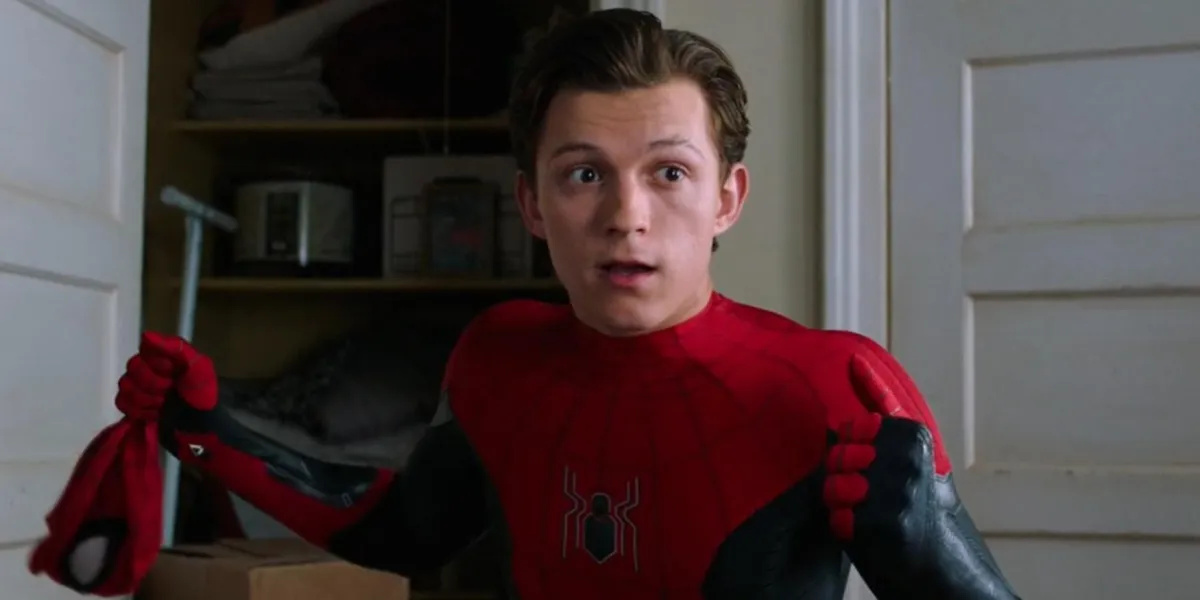 Photo: Tom Holland, via static0.gamerantimages.com
The numbers tell a fascinating story about diminishing returns. While franchise films still dominate the box office, the cultural impact has been steadily declining. Marvel's latest Phase releases are pulling in respectable numbers but generating significantly less social media buzz than their predecessors. Meanwhile, stars like Ryan Reynolds have perfected the art of franchise resurrection, turning Deadpool from a forgotten comic character into a billion-dollar payday that's now funding his entire production empire.
 Photo: Ryan Reynolds, via articles-img.sftcdn.net
The Comfort Zone Paychecks
For A-listers, returning to established franchises has become the ultimate safety net in an increasingly unpredictable industry. Daniel Craig famously complained about playing James Bond while simultaneously negotiating deals that paid him $25 million per film. Harrison Ford spent decades publicly expressing his desire to kill off Han Solo, yet kept returning to the character because, as industry insiders note, franchise work offers something original films can't: guaranteed global distribution and marketing budgets that ensure your project gets seen.
The real winners in this system are the stars who've managed to negotiate backend deals on franchises they helped establish. Robert Downey Jr.'s Iron Man contract evolution from a modest $500,000 for the first film to an estimated $75 million for "Avengers: Endgame" created a template that every franchise star now follows. The result is a tier of performers who can essentially phone in performances while collecting checks that fund their passion projects and production companies.
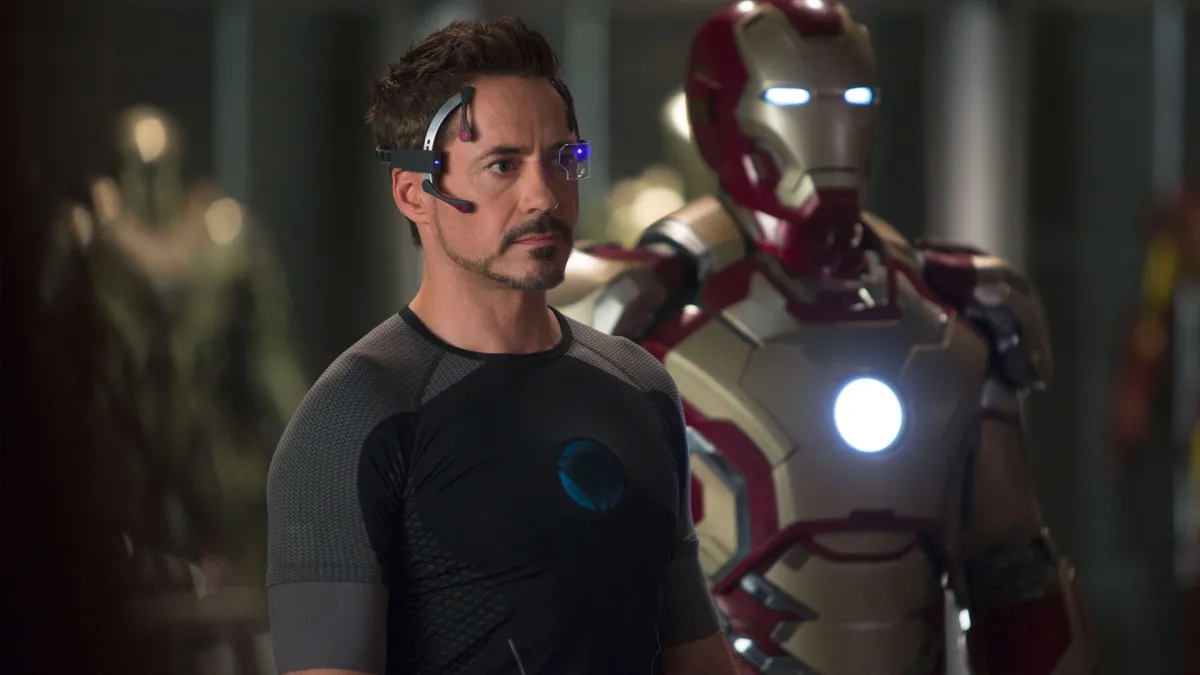 Photo: Robert Downey Jr., via cdn.mos.cms.futurecdn.net
When Familiarity Breeds Contempt
But audiences are starting to notice the creative complacency that comes with guaranteed paychecks. Social media reaction to recent franchise installments reveals a growing fatigue with stars who seem to be coasting on established character dynamics rather than bringing fresh energy to familiar roles. The contrast becomes particularly stark when comparing early franchise entries — where actors were still hungry to prove themselves — with later installments where the performance feels like expensive cosplay.
The "legacy sequel" trend has created an even stranger dynamic, where aging stars return to franchises decades later, often with mixed results. While "Top Gun: Maverick" proved that nostalgia done right can create genuine cultural moments, films like "Indiana Jones and the Kingdom of the Crystal Skull" demonstrated how franchise loyalty can damage both the property and the star's reputation when the creative spark has clearly died.
The Risk-Averse Trap
What's particularly telling is how franchise work has become a substitute for actual career development. Stars who once built their reputations on diverse, challenging roles now anchor their careers around single characters they can play in their sleep. This creates a strange professional stagnation where actors become prisoners of their own success, unable to take creative risks because their franchise obligations consume years of their working life.
The streaming era has only intensified this dynamic, with platforms like Disney+ creating extended universe content that keeps stars locked into characters indefinitely. What was once a trilogy commitment has become an open-ended contract that can stretch across films, limited series, and surprise cameos, creating a level of creative restriction that previous generations of stars never had to navigate.
The Audience Awakening
Perhaps most significantly, audiences are becoming more sophisticated about recognizing when they're being sold recycled content. Box office fatigue for certain franchises isn't just about oversaturation — it's about viewers recognizing when stars and studios are prioritizing financial security over creative ambition. The cultural conversation around franchise films has shifted from excitement about new installments to skepticism about whether anyone involved actually wants to be there.
This shift puts stars in an increasingly awkward position during promotional cycles, where they're expected to express genuine enthusiasm for projects that everyone knows are primarily motivated by contractual obligations and financial considerations. The result is a promotional culture built on manufactured excitement, where interviews feel like elaborate performances designed to convince audiences that the people making these films are as invested in them as the fans paying to see them.
The franchise system isn't going anywhere — the financial incentives are simply too powerful for studios and stars to resist — but the cultural contract between audiences and the entertainment industry is clearly evolving, and the stars who recognize this shift first will be the ones who survive it.