The Social Media Retirement Trap: Why Celebrities Who 'Quit the Internet' Always Come Back — and What They're Really Running From
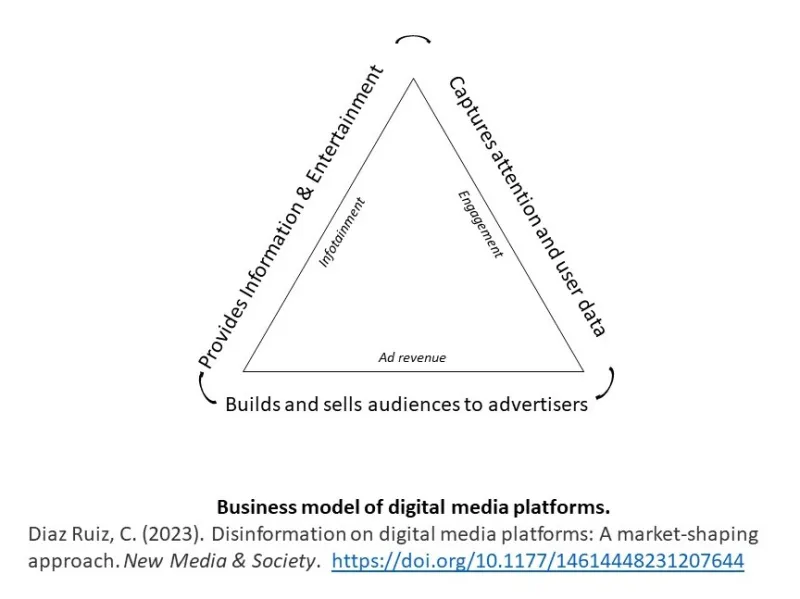
Photo: MexFin, CC BY-SA 4.0, via Wikimedia Commons
The Great Logout Performance
When Kanye West posted his final Instagram story — a simple "GOING DEATH CON 3" before disappearing from the platform — it felt different from the typical celebrity social media break. Most stars announce their digital detoxes with the same carefully crafted sincerity they use to promote their latest projects, but Kanye's exit was messy, impulsive, and ultimately temporary. Within months, he was back, posting cryptic messages and album updates like nothing had happened. Welcome to the celebrity social media retirement trap, where logging off has become just another form of performance, and the promise to stay away is always a lie.
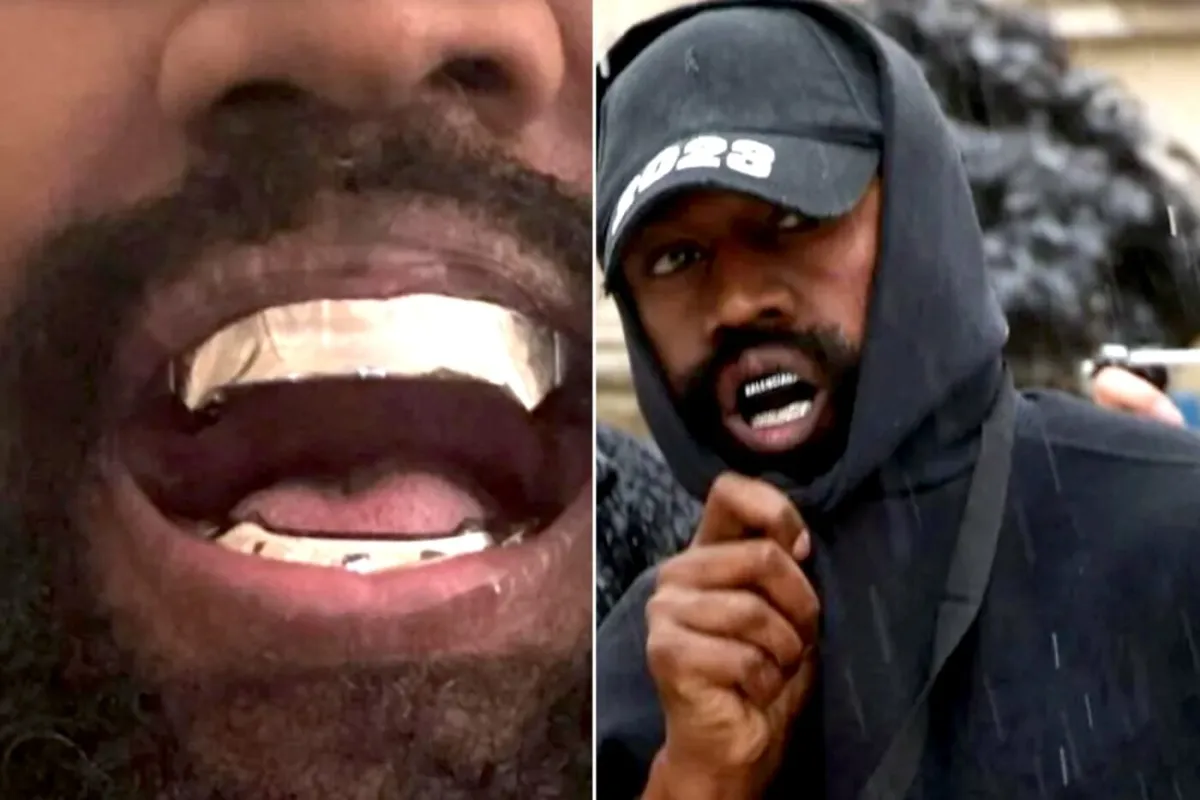 Photo: Kanye West, via www.dmarge.com
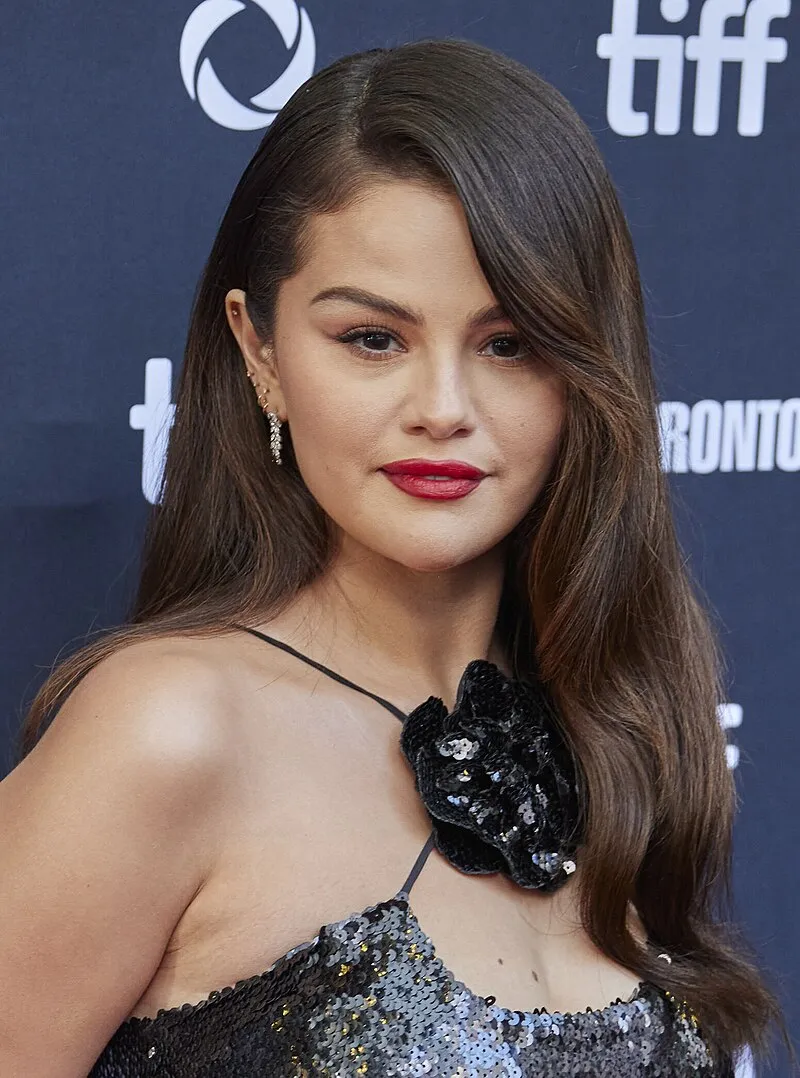
The pattern has become so predictable it's almost a meme: celebrity posts emotional farewell message about needing to "focus on mental health" and "step away from the noise," disappears for 2-6 weeks, then quietly returns with a casual post that pretends the dramatic exit never happened. Justin Bieber, Selena Gomez, Taylor Swift, and dozens of other A-listers have perfected this cycle, turning digital detox into a form of strategic absence that somehow generates more attention than staying online ever could.
The Attention Economy Paradox
What makes these social media "retirements" particularly fascinating is how they've become their own form of content. A celebrity announcing they're leaving social media often becomes their most engaged-with post in months, generating headlines, think pieces, and fan speculation that keeps them trending long after they've supposedly logged off. It's the ultimate paradox of digital fame: you have to perform leaving to remind people why they should care about you staying.
Demi Lovato's relationship with social media perfectly illustrates this dynamic. After multiple dramatic exits and returns, Lovato has essentially turned the cycle into content itself, openly discussing the addictive nature of platforms while continuing to use them for career promotion. The honesty is refreshing, but it also highlights how impossible it's become for celebrities to actually disconnect from systems that are fundamentally designed to capture and monetize attention.
The financial reality is that social media isn't just a communication tool for celebrities — it's a business platform that directly impacts their earning potential. When stars with millions of followers announce they're leaving Instagram or Twitter, they're essentially declaring bankruptcy on a revenue stream that can generate six-figure paydays for a single sponsored post. The economic pressure to return is immense, which explains why most "permanent" exits last about as long as a typical album cycle.
The Mental Health Marketing Machine
Perhaps most problematically, the celebrity social media break has become entangled with mental health advocacy in ways that feel both genuine and performative. Stars regularly cite the need to protect their mental health as justification for leaving platforms, which is often completely valid — social media can be genuinely toxic for public figures dealing with constant scrutiny and harassment.
But the pattern of dramatic exit followed by quiet return has inadvertently turned mental health breaks into marketing moments. When Simone Biles stepped away from social media during the Tokyo Olympics, her absence felt authentic and necessary. When other celebrities announce their departures with the same language but return weeks later to promote new projects, it dilutes the message and turns genuine mental health advocacy into brand management.
The most honest celebrities about this dynamic are often the ones who acknowledge the impossibility of truly disconnecting. Chrissy Teigen's multiple Twitter departures and returns have been accompanied by increasingly frank discussions about addiction, validation, and the difficulty of breaking patterns that are both personally destructive and professionally necessary.
The Algorithm Knows You're Coming Back
What's particularly insidious about the social media retirement cycle is how platforms have adapted to accommodate and even encourage these dramatic exits. Instagram and Twitter algorithms are designed to re-engage users who've been absent, often serving up their content to more followers when they return. The platforms have essentially gamified the departure-and-return cycle, making it a viable engagement strategy rather than a genuine break from digital culture.
This creates a situation where celebrities are incentivized to leave dramatically and return quietly, maximizing both the attention from their departure and the algorithmic boost from their return. It's a perfect example of how social media platforms have evolved to capture and monetize even our attempts to escape them.
The rise of "soft launches" and "quiet returns" — where celebrities come back to social media without acknowledging their previous dramatic exits — has become its own art form. Stars will simply start posting again, often with content that suggests they never really left, training their audiences to understand that digital detox announcements are temporary performances rather than permanent lifestyle changes.
The Authenticity Trap
What makes the current moment particularly interesting is how audiences are becoming more sophisticated about recognizing performative digital detoxes. Comments sections on celebrity farewell posts are increasingly filled with fans setting countdown timers for their return, treating the announcements as entertainment rather than genuine life changes.
This shift puts celebrities in an impossible position: they need social media for career reasons, but audiences are increasingly skeptical of their relationship with these platforms. The result is a culture of acknowledged performance, where everyone understands the game being played but continues to participate anyway.
The celebrities who've found the most success navigating this dynamic are those who've abandoned the pretense entirely. Stars like Ryan Reynolds use social media transparently as a business tool, while others like Dolly Parton maintain such a consistent, authentic presence that the idea of them dramatically leaving feels absurd.
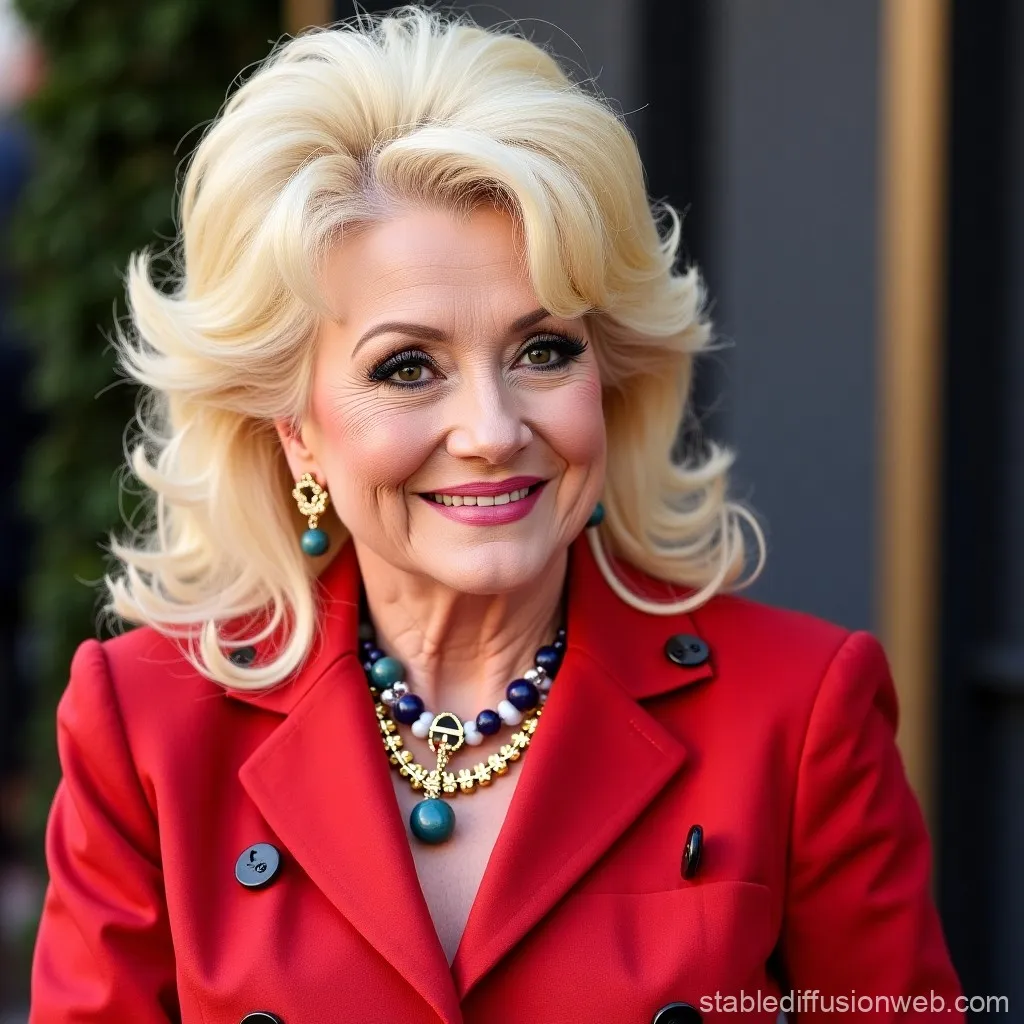 Photo: Dolly Parton, via imgcdn.stablediffusionweb.com
Ultimately, the celebrity social media retirement trap reveals something profound about digital culture: we've created systems that are simultaneously essential and toxic, and our attempts to escape them have become just another form of content. The stars who recognize this paradox — and stop pretending otherwise — might be the only ones who ever actually find a way out.