The Great Escape: When Celebrities Ghost Their Own Success Stories
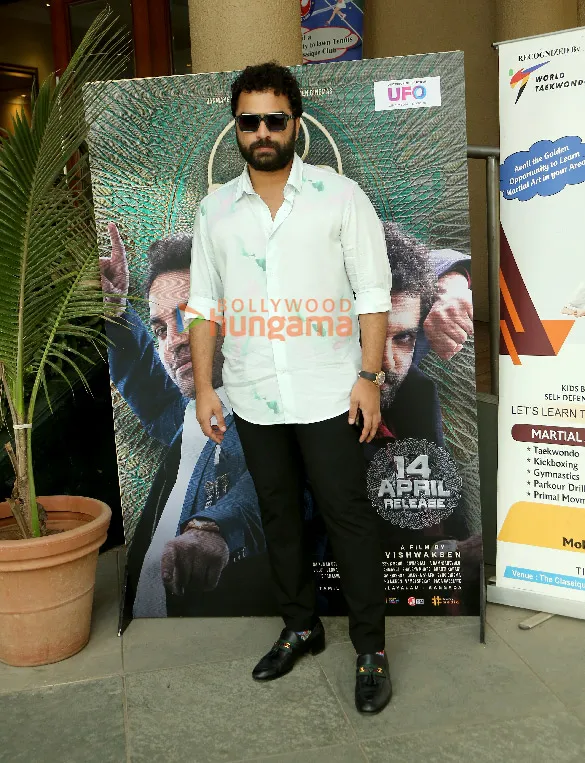
Photo: Bollywood Hungama, CC BY 3.0, via Wikimedia Commons
When the Star Goes Dark
The press tour is supposed to be the easy part — the victory lap after months of grueling production, where stars get to wear designer outfits, tell charming anecdotes, and watch their projects soar. But increasingly, celebrities are treating these promotional obligations like optional suggestions, leaving studios scrambling to sell projects without their biggest selling point: the star themselves.
In 2023, several high-profile incidents highlighted just how fragile the traditional promotional machinery has become. When major stars began canceling appearances, going silent on social media, or delivering disastrous interviews that required immediate damage control, it became clear that the era of the reliable press tour might be coming to an end.
The Domino Effect of a Missing Star
When a celebrity walks away from promotional duties, the financial implications ripple through the entire project ecosystem. Studios typically budget millions for coordinated marketing campaigns built around star availability. Talk show bookings, magazine covers, red carpet appearances, and social media campaigns are all carefully orchestrated around the assumption that the talent will show up and be charming.
A single cancelled appearance can trigger a cascade of problems. International press junkets get rescheduled, costing production companies hundreds of thousands in rebooking fees. Magazine covers get scrapped, leaving publications scrambling for replacement content. Most importantly, the carefully timed marketing momentum gets disrupted, potentially affecting opening weekend box office numbers that determine a project's ultimate success or failure.
The Art of Damage Control
Studio publicity departments have become masters of creative problem-solving when their stars go rogue. The playbook includes promoting supporting cast members to lead roles in the campaign, pivoting to director-focused coverage, or leaning heavily into behind-the-scenes content that doesn't require star participation.
Some studios have started building contingency plans into their promotional strategies from the beginning. This includes securing multiple interview sessions during production (banking content for later use), creating promotional materials that don't rely heavily on star participation, and developing social media campaigns that can run independently of celebrity involvement.
The Mental Health Wild Card
The conversation around celebrity promotional obligations has become more complicated as mental health awareness has increased. When stars cite anxiety, burnout, or personal crises as reasons for stepping back from promotion, studios find themselves in the delicate position of respecting these concerns while protecting their investments.
This has led to the development of more flexible promotional structures, including virtual appearances, shorter interview windows, and modified press tour formats that accommodate different comfort levels. However, these accommodations often come with reduced promotional impact, creating tension between star wellbeing and commercial interests.
The Social Media Rebellion
Some of the most dramatic promotional meltdowns happen in real-time on social media, where celebrities can bypass traditional publicity channels entirely. When stars use their platforms to contradict official messaging, criticize their own projects, or engage in public feuds during promotional periods, it creates chaos that traditional damage control methods can't address.
The immediacy of social media means that a single problematic post can derail months of carefully planned promotional strategy within hours. Studios have responded by implementing social media guidelines and, in some cases, requesting temporary control of star accounts during promotional periods — arrangements that have created their own set of conflicts.
The New Economics of Star Power
The frequency of promotional walkouts has forced the industry to recalculate the value proposition of star-driven marketing. Some studios are shifting toward ensemble casts that can absorb the loss of individual members, while others are investing more heavily in digital marketing strategies that don't depend on celebrity cooperation.
Streaming platforms, in particular, have experimented with promotional models that rely more on algorithmic reach and targeted advertising than traditional press tours. This shift has reduced the leverage that individual stars have over promotional campaigns, but it's also changed the fundamental relationship between celebrity and project success.
The Contractual Evolution
Legal teams have responded to the promotional reliability crisis by writing increasingly specific promotional obligations into talent contracts. Modern agreements often include detailed requirements for social media posting, appearance quotas, and behavioral guidelines during promotional periods.
However, enforcement remains complicated. While contracts can specify financial penalties for missed obligations, actually pursuing these remedies can create additional negative publicity that outweighs the benefits. Most studios prefer to absorb the costs rather than engage in public legal battles with their own stars.
The Generational Divide
There's a notable difference in promotional reliability between different generations of celebrities. Veteran stars, who came up in an era when press tours were non-negotiable, tend to fulfill their obligations regardless of personal circumstances. Younger celebrities, who have more direct relationships with their audiences through social media, are more likely to view traditional promotional activities as optional or outdated.
This generational shift has created tension within the industry about the future of celebrity-driven marketing. Some executives argue that traditional promotional methods are becoming obsolete, while others maintain that star power remains essential for breaking through an increasingly crowded entertainment landscape.
The Independent Alternative
Interestingly, some celebrities who have walked away from major studio promotional obligations have simultaneously launched independent promotional efforts that better align with their personal brands. This includes podcast appearances, social media campaigns, and direct fan engagement that bypasses traditional media entirely.
These alternative promotional strategies can sometimes be more effective than traditional press tours, particularly for reaching younger demographics who consume media differently. However, they require stars to take more active control of their promotional narratives, which not all celebrities are prepared or willing to do.
What Comes Next
The industry appears to be moving toward more flexible, personalized promotional models that accommodate different celebrity comfort levels while still meeting commercial needs. This includes shorter promotional windows, virtual-first strategies, and campaigns that can adapt to sudden changes in star availability.
Ultimately, the tension between celebrity autonomy and commercial obligations reflects broader changes in how entertainment is produced, distributed, and consumed. As the industry continues to evolve, the traditional press tour may become just one option in a more diverse promotional ecosystem.
The stars who are walking away from promotional obligations aren't just rejecting individual appearances — they're challenging the fundamental assumptions about how celebrity, commerce, and creativity intersect in modern entertainment. Whether this leads to better outcomes for everyone involved remains to be seen.