Best Friends or Business Partners? How Celebrity BFF Duos Became Their Own Brand — and the Cracks That Give It All Away
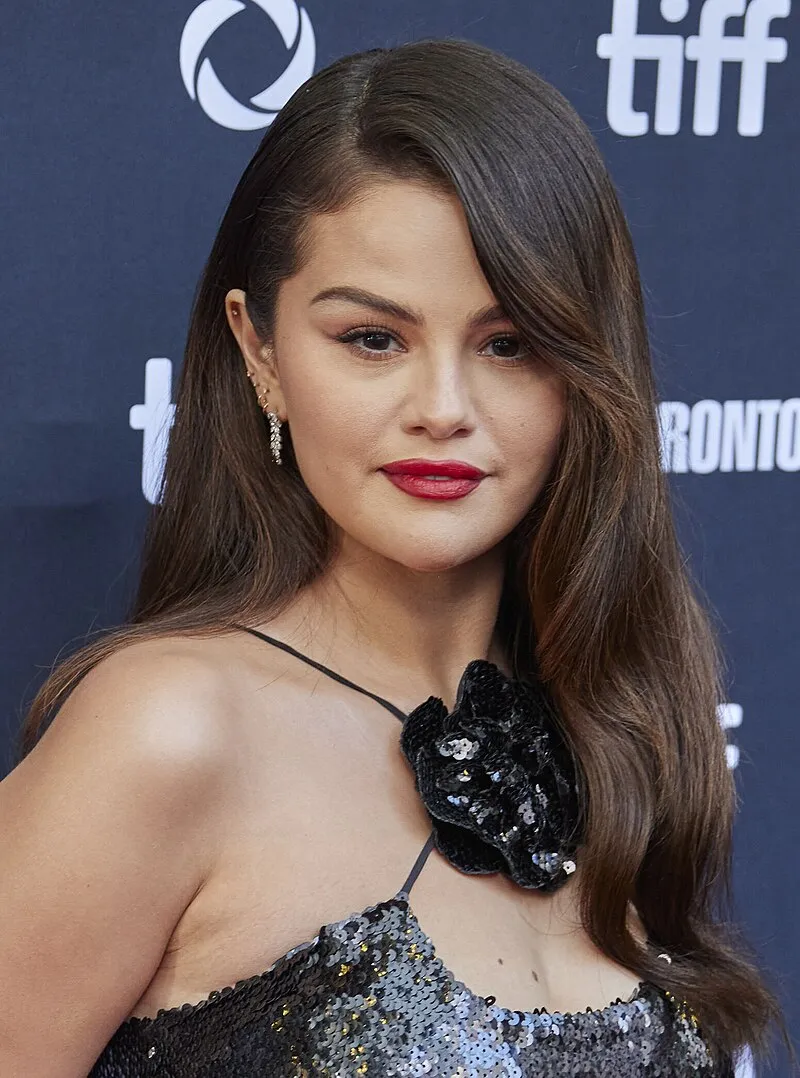
Photo of Selena Gomez, via Wikimedia Commons
There is a particular kind of celebrity photo that has become so familiar it practically has its own taxonomy: two famous women, laughing mid-stride, iced coffees in hand, sunglasses on, photographed from just far enough away to look candid and just close enough to make sure you can see both faces clearly. The caption — if there even is one — is a single heart emoji or a nickname that implies years of inside jokes. The comments fill up within minutes. The fan accounts repost it. The gossip sites write it up. And somewhere, a brand partnership quietly gets a little more valuable.
Welcome to the Friendship Franchise — Hollywood's most emotionally resonant and most consistently underexamined content machine.
When a Friendship Becomes a Product
Celebrity friendships have always been tabloid catnip. But somewhere in the last decade, the dynamic shifted from "famous people who happen to be close" to something that functions more like a co-branded enterprise. The best-friend pairing now comes with its own visual identity, its own narrative arc, and its own audience — one that is frequently more emotionally invested in the friendship than in either celebrity individually.
Take Taylor Swift and Selena Gomez, arguably the most high-profile celebrity friendship of the past fifteen years. What started as a genuine personal connection has, over time, become something with genuine commercial architecture. Their public moments together — award show appearances, birthday tributes, front-row fashion week sightings — generate press cycles with the reliability of a scheduled content drop. Each public display of affection reinforces a narrative that both of their audiences want to believe: that fame doesn't have to be isolating, that real friendship can survive the chaos of celebrity, that these two women genuinely choose each other. That narrative is worth something. A lot, actually.
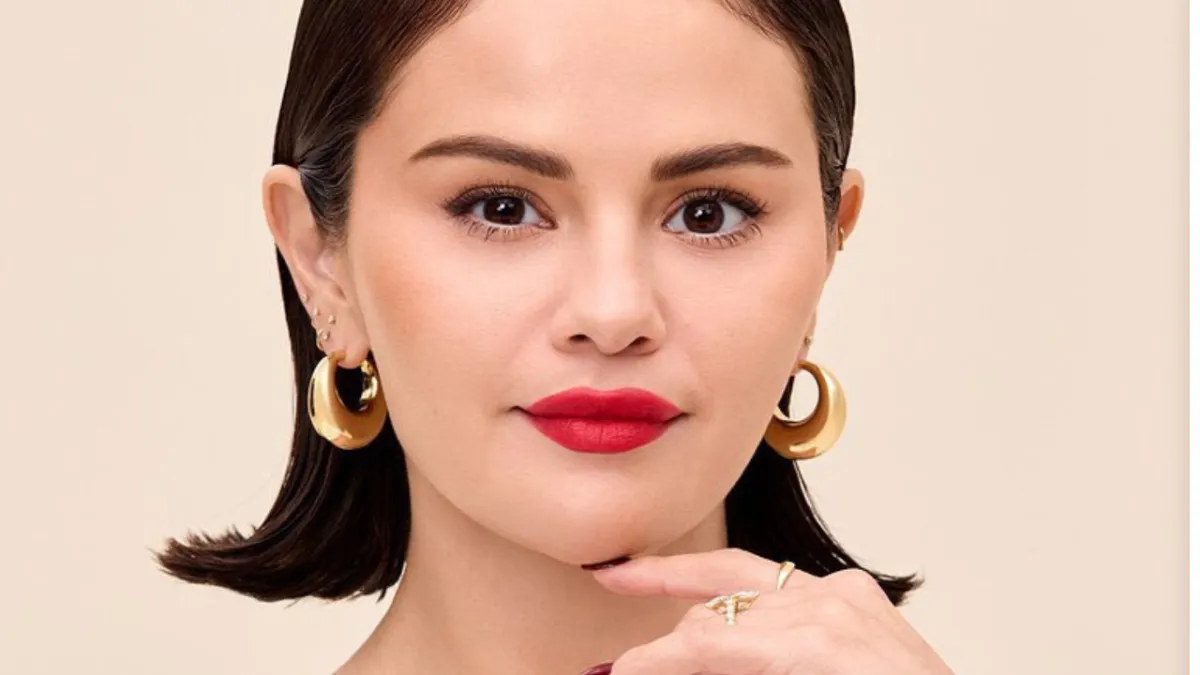 Photo: Selena Gomez, via d.latintimes.com
 Photo: Taylor Swift, via prod-img.nieuwsblad.be
And look — that doesn't mean the friendship isn't real. By all credible accounts, Swift and Gomez have maintained a genuine bond through some genuinely difficult chapters in both of their lives. But it would be naive to pretend that the public performance of that friendship hasn't also been carefully managed. The timing of joint appearances, the consistency of the mutual support posts, the way their friendship always seems to resurface in the media at key career moments for one or both of them — that's not accidental. That's architecture.
The Khloé and Malika Blueprint
For a more explicit version of the friendship-as-content model, look no further than Khloé Kardashian and Malika Haqq, whose bond has been a recurring storyline across multiple seasons of the Kardashian franchise universe. The friendship has been documented, dramatized, and monetized with a thoroughness that makes it one of the clearest examples of how this ecosystem actually operates.
 Photo: Khloé Kardashian, via fishinfo.su
Malika's role in the Kardashian content machine is layered — part best friend, part supporting cast member, part organic brand extension. Her presence in Khloé's orbit gave the show texture and gave Khloé's storylines an emotional anchor. In return, Malika's own platform grew substantially. That's the transactional undercurrent that runs through a lot of these high-profile friendships: the less famous party gains access and audience, and the more famous party gains the authenticity and relatability that comes from having a visible, loyal inner circle.
None of which means the friendship isn't genuine. But the arrangement has a structure, and that structure has a value, and when either party starts to see that value differently — watch out.
How to Read the Fracture Signs
Here's where it gets interesting, because the Friendship Franchise, like any business partnership, can show cracks before it fully breaks. And once you know what to look for, those cracks are surprisingly readable.
The first sign is a slowdown in joint content. When two celebrities who used to post about each other regularly — birthday tributes, casual hangout photos, mutual hype in the comments — start going quiet, something has shifted. It might be a scheduling issue. It might be a personal disagreement. Or it might be that one party has made a strategic decision to distance themselves from the other's current narrative.
The second sign is the unfollow. We've covered this territory before on GlamDocket, but it bears repeating in this context: in the celebrity ecosystem, an unfollow is rarely casual. When it happens between two people who have been publicly performing a close friendship, it's a statement.
The third sign — and this one is subtle — is the conspicuous absence from major life moments. Celebrity friendships live and die on the public documentation of milestones. When someone who was previously front and center at a friend's events stops appearing, and that absence goes unremarked upon, there's usually a reason nobody's talking about.
Who Really Benefits?
The honest answer to who benefits most from the Friendship Franchise is: it depends on the power dynamic, and the power dynamic almost always favors the bigger name. The A-lister gets humanized, gets relatable content, and gets a loyal supporting character who makes them look like a good friend. The less prominent party gets a platform, gets association with a major brand, and gets the kind of visibility that's genuinely hard to manufacture otherwise.
When the friendship ends — or when the public performance of it ends, which isn't always the same thing — the less prominent party typically has more to lose in terms of visibility, while the A-lister's brand absorbs the loss without much structural damage.
That asymmetry is worth sitting with, because it's the part of the Friendship Franchise that rarely gets discussed in the breathless coverage of celebrity BFFs being adorable together at Coachella.
The Bottom Line
None of this is cynical for cynicism's sake. Some of Hollywood's most publicly performed friendships are also genuinely the real thing — and the fact that they've been packaged and monetized doesn't automatically hollow them out. People can be authentic and strategic at the same time. Fame is complicated.
But the next time you see that perfectly timed candid of two famous women laughing over their matching lattes, it's worth asking: who called the photographer, who benefits from this moment landing today, and what's the product they're both quietly pointing you toward?
Because in Hollywood, even the most heartfelt moments tend to come with a business plan attached — and the friendship is always the most valuable asset in the portfolio.