Jet-Set and Hypocrite: The Celebrity Carbon Footprint Callout That Won't Go Away

Photo of Leonardo DiCaprio, via Wikimedia Commons
Jet-Set and Hypocrite: The Celebrity Carbon Footprint Callout That Won't Go Away
They post about saving the planet. They fly private to the climate summit. And thanks to a new generation of flight-tracking tools and extremely online data nerds, the gap between what celebrities say about the environment and how they actually live has never been more publicly documented — or more ruthlessly mocked. Welcome to the age of the carbon receipt.
The story that arguably cracked this conversation wide open came in 2022, when Yard, a UK-based marketing agency, published a report ranking celebrities by their private jet emissions. The results were staggering. Taylor Swift topped the original list, with her aircraft allegedly logging over 170 flights in roughly the first seven months of that year alone — generating an estimated 8,293 metric tons of CO2, or about 1,184 times the average person's annual carbon footprint. Swift's team pushed back, noting that the jet was sometimes loaned to others, but the damage to the narrative was done. The receipts were public. The internet had screenshots.
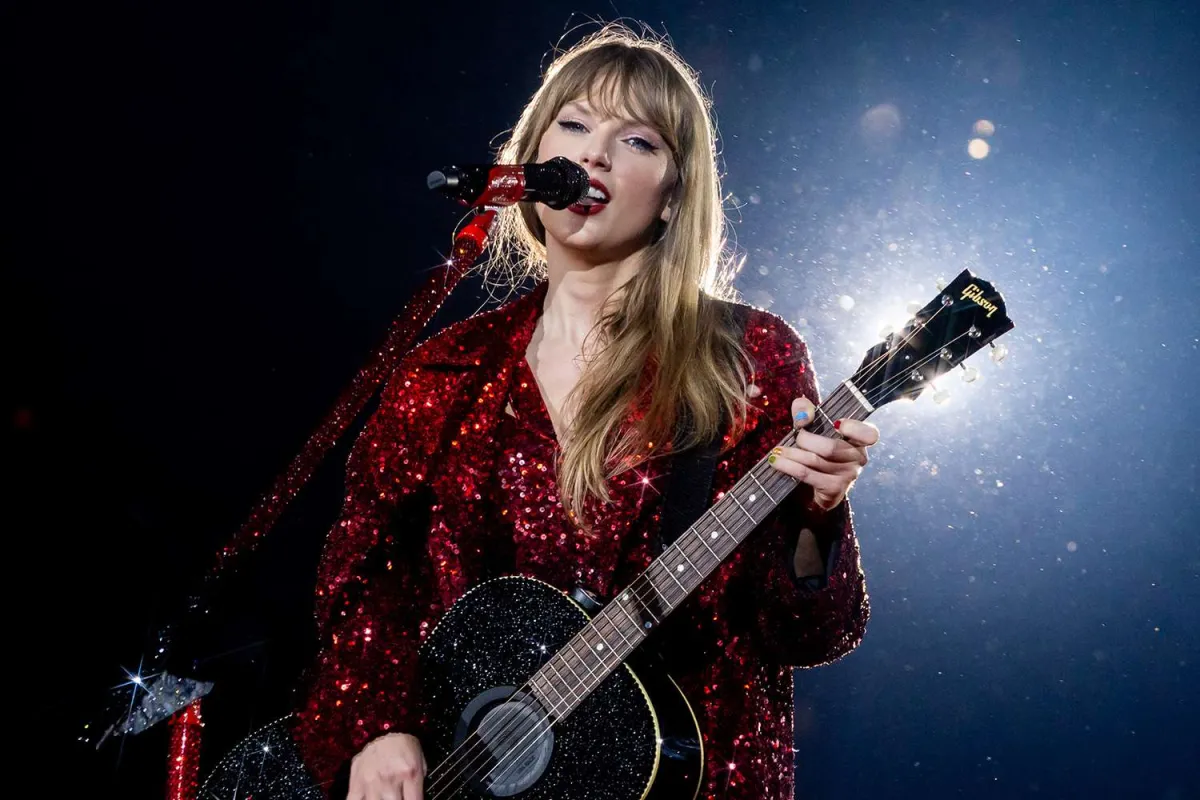 Photo: Taylor Swift, via people.com
Swift has since sold the plane — or at least, the one that was being tracked. Whether that constitutes a genuine behavioral shift or a strategic asset reshuffle is a question her critics have not stopped asking.
The Tracker Economy
The infrastructure behind these callouts is worth understanding, because it's not going away. Flight tracking data is largely a matter of public record in the United States — the FAA's Automatic Dependent Surveillance-Broadcast (ADS-B) system broadcasts aircraft position data that anyone with the right software can monitor. Accounts like @CelebJets on X (formerly Twitter) built enormous followings by doing exactly that: logging private jet activity tied to celebrity-registered aircraft and publishing the data in real time.
After Swift's situation drew global attention, several high-profile celebrities — and their legal teams — began pushing back against these accounts. @CelebJets was suspended from Twitter in late 2022, shortly after Elon Musk had publicly declared he wouldn't ban the account on free speech grounds, then reversed course days later. The account's operator, then-college student Jack Sweeney, subsequently migrated to other platforms and continued tracking. The cat-and-mouse dynamic between celebrity privacy interests and public data access has been playing out ever since.
But here's the thing about trying to suppress public flight data: it doesn't really work. Other trackers have proliferated. The methodology has been replicated. And now, environmental organizations and investigative journalists have picked up the baton, meaning the coverage carries more institutional weight than a single Twitter account ever could.
The Hypocrisy Hit List
Swift is the most cited example, but she's far from alone. Oprah Winfrey, Kim Kardashian, Mark Wahlberg, and A-Rod have all appeared on various emissions ranking lists compiled by researchers and advocacy groups. Several of these figures have made public statements about climate change or aligned themselves with environmental causes, which is precisely what makes the contrast so combustible.
 Photo: Oprah Winfrey, via akns-images.eonline.com
The case that tends to generate the most sustained outrage involves celebrities who don't just passively benefit from fossil fuel-powered luxury travel, but actively position themselves as environmental advocates. When an A-lister posts an Instagram story about ocean plastic on Monday and boards a private jet for a 45-minute flight on Tuesday — a trip that commercial options would have covered in under two hours — the juxtaposition writes itself. And the internet is very good at writing it.
Leonardo DiCaprio has faced this particular version of the criticism for years. His environmental advocacy through the Leonardo DiCaprio Foundation is extensive and well-documented, and his public messaging on climate change has been consistent since at least the late 1990s. He has also been photographed on superyachts and reportedly uses private aviation regularly. His supporters argue that individual consumption choices are structurally less significant than the systemic advocacy he funds. His critics argue that the imagery undermines the message. Neither side is entirely wrong.
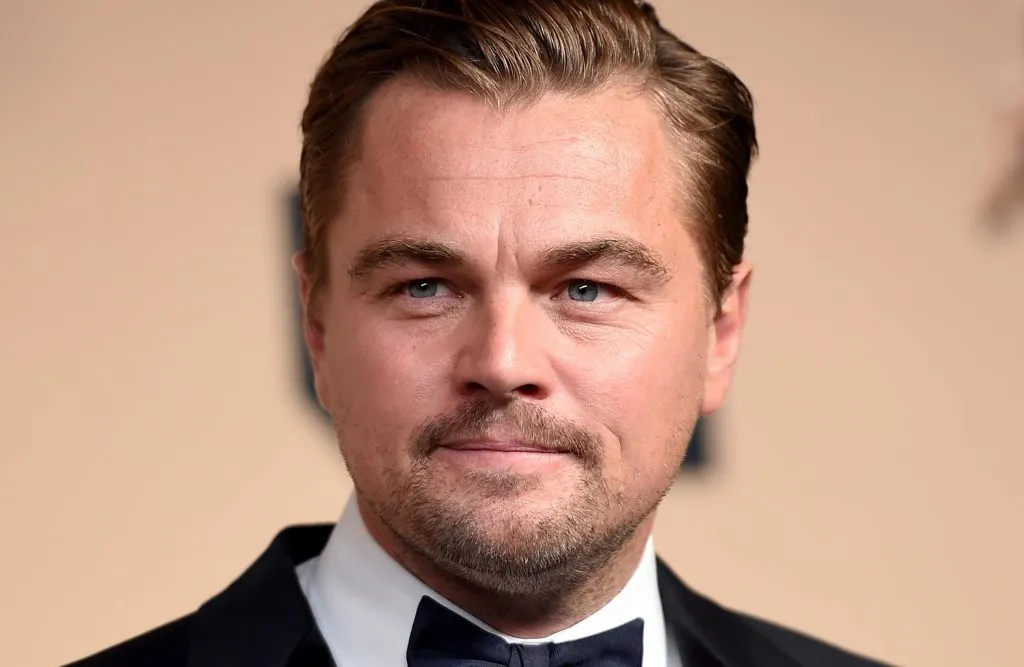 Photo: Leonardo DiCaprio, via cdn.fandomwire.com
The PR Response Playbook (And Why It Keeps Failing)
When these stories break, celebrity PR teams tend to reach for one of a small number of responses, and most of them have a shelf life measured in hours.
The first is the carbon offset defense — the claim that the celebrity purchases carbon offsets to neutralize their flight emissions. The problem is that carbon offset programs have come under intense scrutiny in recent years, with multiple investigative reports questioning their effectiveness and the verification standards behind them. Citing carbon offsets in 2025 is less a solution and more an invitation for a second round of coverage.
The second is the "jet is shared/loaned" defense, which Swift's team deployed. This one is technically defensible but practically ineffective, because it shifts rather than eliminates the emissions question and opens up follow-up inquiries about who exactly is using the aircraft and when.
The third — and increasingly common — response is simply silence. Some publicists have calculated that engaging with flight tracker callouts amplifies the story more than ignoring it, and there's some evidence to support that logic. The problem is that silence reads, to a skeptical public, as confirmation.
Has Anything Actually Changed?
This is the genuinely interesting question, and the answer is: a little, maybe, in ways that are hard to verify.
Some celebrities have become more careful about publicly aligning themselves with environmental messaging while maintaining high-emission lifestyles — not because they've changed their behavior, but because the reputational math no longer works. Others have reportedly shifted toward fractional jet ownership arrangements or charter services that are harder to track than registered personal aircraft. A few have made visible gestures toward commercial travel, though whether these are sincere changes or strategic photo opportunities is difficult to assess from the outside.
What hasn't changed is the underlying structural reality: private aviation is one of the most carbon-intensive forms of transportation per passenger mile, it is disproportionately used by the ultra-wealthy, and the celebrities who use it most are often the same ones whose cultural platforms give them outsized influence over public attitudes toward climate action. That tension isn't going to be resolved by selling a plane or buying an offset.
What to Watch
The next pressure point in this story will likely come from corporate accountability rather than individual callouts. Several major entertainment companies and talent agencies have begun implementing sustainability commitments that nominally extend to production travel — and as those commitments become more specific, the gap between policy and practice becomes more auditable.
Expect the tracking tools to get more sophisticated, the data to get more granular, and the public appetite for this particular flavor of accountability journalism to remain very much intact.
In the age of radical transparency, virtue signaling has a paper trail — and the algorithm never forgets to file it.