We're Not Crying Wolf Anymore: The Celebrity 'Final Goodbye' Has Officially Lost All Meaning
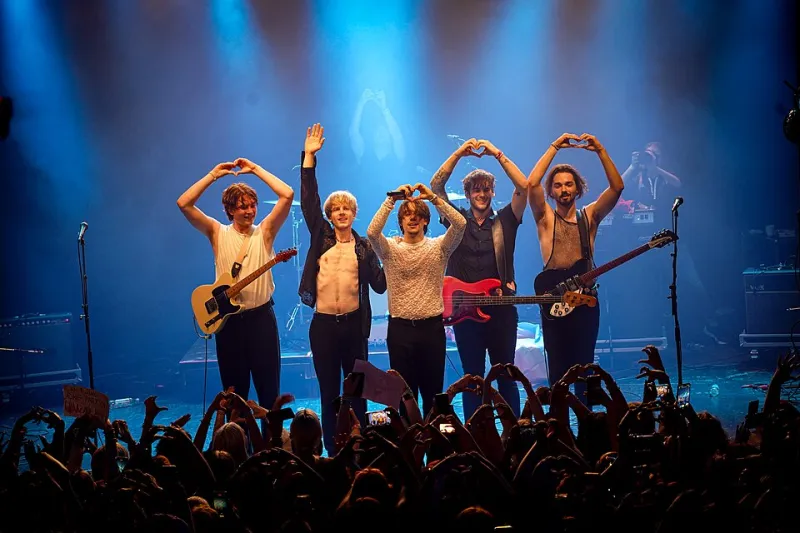
Photo: Dean Grainger, CC BY-SA 4.0, via Wikimedia Commons
We're Not Crying Wolf Anymore: The Celebrity 'Final Goodbye' Has Officially Lost All Meaning
There's a moment — you've felt it — where a beloved celebrity steps to the mic, voice cracking, and announces that this is it. The last album. The final tour. The definitive goodbye. And for a brief, shining window, you believe them. You buy the tickets. You stream the farewell special. You cry a little, if we're being honest. Then, approximately eighteen months later, they're announcing a stadium residency with a new album and a signature fragrance. Again.
Welcome to the farewell industrial complex — Hollywood and the music industry's most reliable recurring grift.
The Business Case for Never Actually Leaving
Let's be clear: this isn't accidental. When a celebrity announces a definitive ending, something fascinating happens to their market value. Demand spikes. Tickets that were moving at a reasonable pace suddenly sell out in minutes. Streaming numbers jump as casual fans rush to revisit the catalog before the supposed curtain call. Merchandise flies off virtual shelves. The economics of scarcity, it turns out, work just as well in entertainment as they do in sneaker drops.
Industry insiders have long acknowledged the pattern, even if they rarely say so on the record. 'There's a reason labels and management teams don't fight very hard against farewell framing,' one veteran music executive told Billboard in a broader piece on artist branding. 'The goodbye creates urgency that a regular release cycle simply cannot manufacture.'
In other words, the farewell tour isn't the end of the story. It's a marketing strategy with a built-in sequel.
The Hall of Shame (Affectionate Division)
The roster of celebrities who have announced final projects only to resurface is, at this point, genuinely legendary. Cher has been on a farewell tour for so long that multiple generations of fans have grown up, had children, and taken those children to the 'last' concert. It has become less a goodbye and more a biannual tradition, like a very glamorous Thanksgiving.
 Photo: Cher, via c8.alamy.com
Jay-Z retired definitively in 2003 with The Black Album, then un-retired so thoroughly that he is now one of the most commercially active figures in music. Ozzy Osbourne's 'No More Tours' franchise has spawned enough sequels to qualify as its own cinematic universe. Even in television, beloved shows announced as final seasons have a suspicious habit of coming back — sometimes on different networks, sometimes with reduced casts, but always, somehow, back.
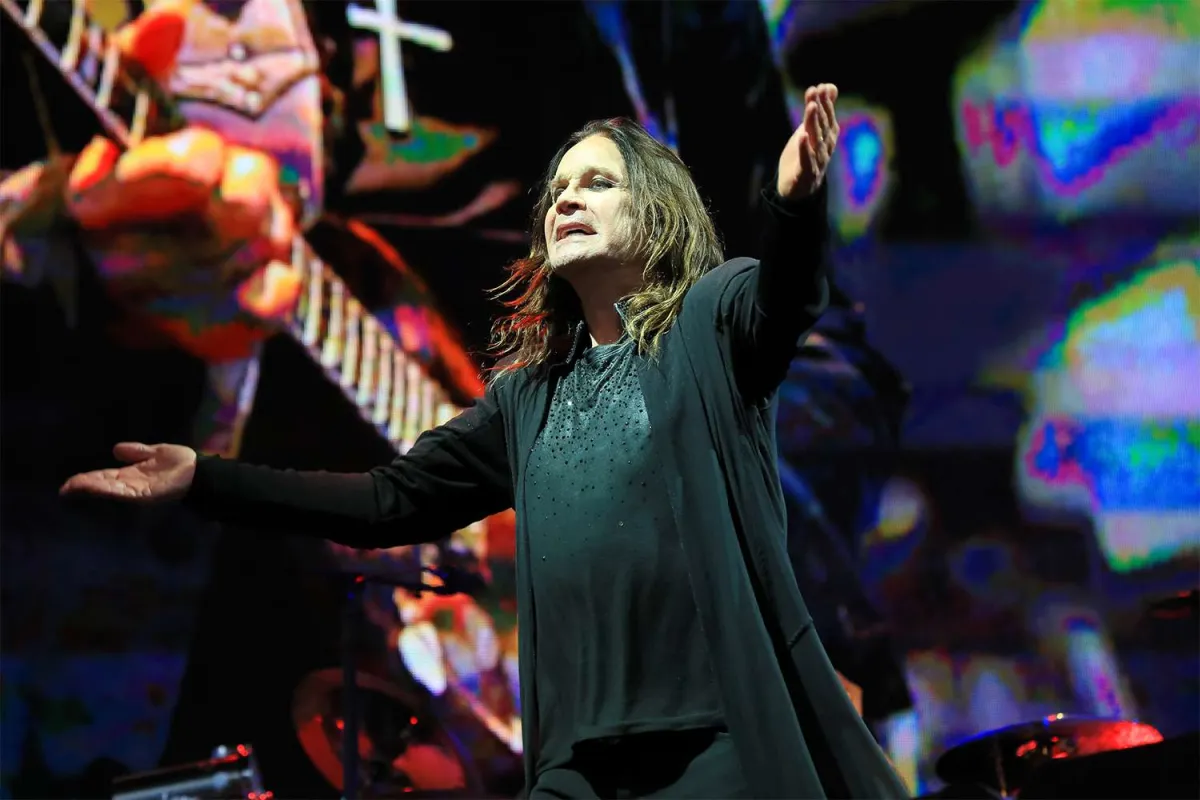 Photo: Ozzy Osbourne, via people.com
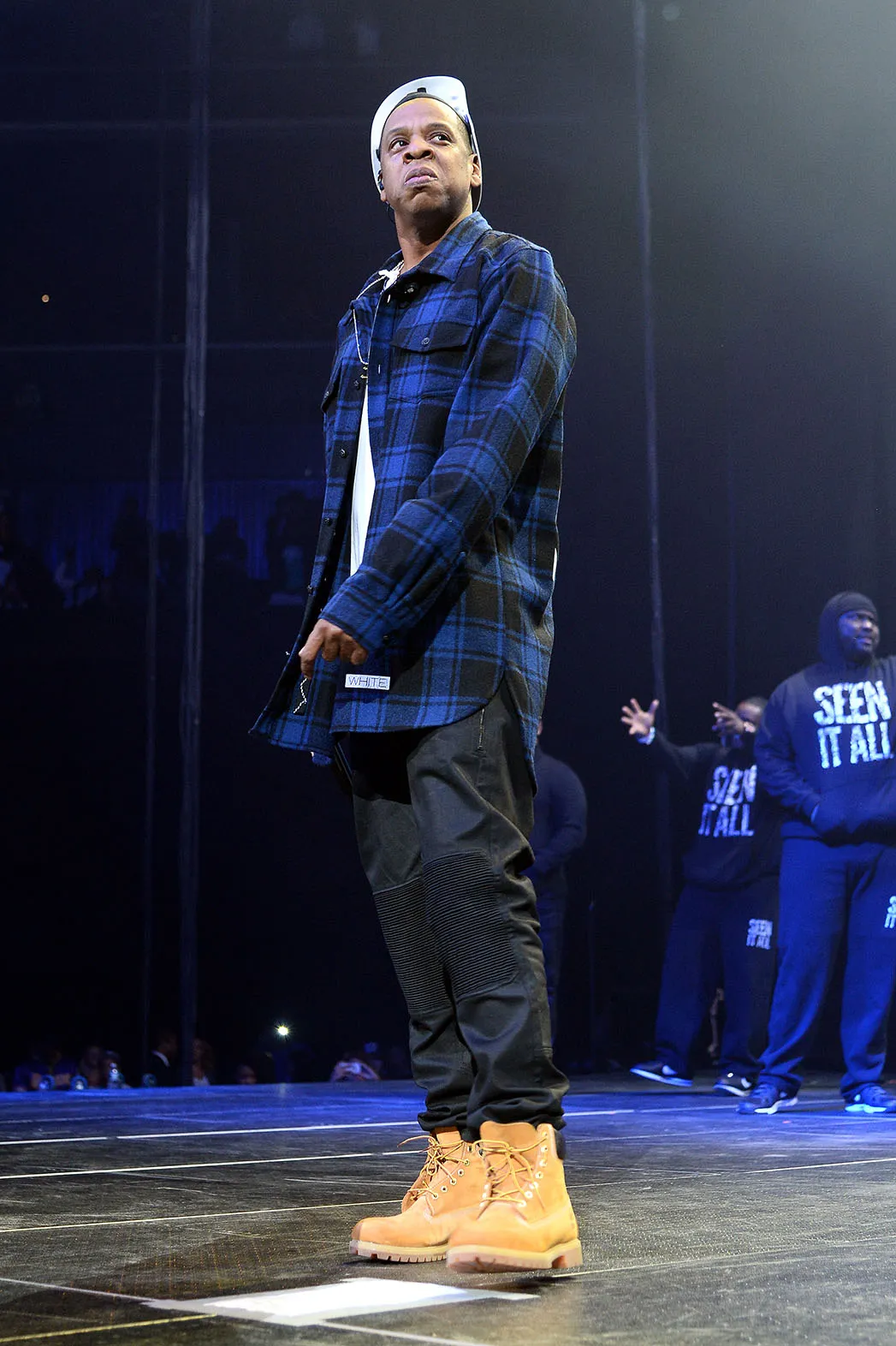 Photo: Jay-Z, via www.hollywoodreporter.com
The pattern isn't limited to any one genre or generation. It is, at this point, a cross-platform entertainment tradition.
When Fans Start Doing the Math
Here's where the calculus is shifting, though: audiences in 2025 are not the same audiences who tearfully waved goodbye to Cher in 2002. Social media has created a generation of fans who are not only emotionally invested but also extremely online, extremely good at tracking timelines, and extremely willing to say so publicly.
When a major artist announced what was framed as a final project earlier this year, the response on X (formerly Twitter) was notably split. Longtime fans expressed genuine emotion. But a significant and vocal contingent responded with variations of 'we'll see' and 'give it a year.' The cynicism wasn't cruel — it was earned. Reportedly, some fan communities now maintain running spreadsheets of celebrity retirement announcements alongside their subsequent un-retirement dates. That's not fandom. That's forensic accounting.
The goodwill erosion is real, and it compounds. Each fake exit makes the next announcement harder to take seriously. More damaging still, it retroactively colors the original farewell — what felt like a genuine emotional moment starts to look, in retrospect, like a promotional maneuver. That realization stings in a way that ordinary hype never does.
Is Anyone Actually Leaving?
To be fair, not every reversal is cynical. Health recoveries, creative renaissances, and changed personal circumstances are all legitimate reasons to step back into the spotlight after announcing a step back. Some artists genuinely don't know when they announce a farewell whether they'll want to return — the pressure of the industry, the pull of the craft, and the complicated relationship between identity and performance are all real factors.
But the industry's track record makes it nearly impossible to extend that benefit of the doubt universally. When the farewell announcement comes packaged with a greatest-hits collection, a documentary, and a limited-edition vinyl, it starts to look less like a heartfelt goodbye and more like a product launch with emotional packaging.
The Audience Has Officially Clocked It
The most telling sign that the fake farewell has jumped the shark? Celebrities themselves are now being mocked for it in real time — not after the fact, but the moment the announcement drops. That's a meaningful shift. It suggests that the emotional manipulation that once made the farewell so profitable has been reverse-engineered by the very audiences it was designed to work on.
Fans aren't less devoted. They're just less credulous. And in an attention economy where authenticity is the scarcest commodity, that might be the most expensive thing a celebrity can afford to lose.
The next time your favorite artist announces their definitive final project, feel free to feel the feelings — just maybe don't sell the tour merch before they announce the reunion leg.