Circle of Influence: How Celebrity Godparent Announcements Became Hollywood's Newest Power Play
From Sacred to Strategic
There was a time when becoming a godparent was a deeply personal, often religious milestone — a quiet promise made in church pews and family gatherings. But in today's Hollywood, a godparent announcement has evolved into something far more calculated: a public alignment that signals who's in whose inner circle, who's backing whom, and most importantly, who's worth backing.
When Blake Lively and Ryan Reynolds announced that Taylor Swift was godmother to their children, it wasn't just a sweet friend gesture — it was a declaration that Swift had achieved the ultimate Hollywood status: inner-circle immunity. Similarly, when Elton John and David Furnish named various A-listers as godparents to their sons, each announcement read less like family news and more like a who's who of entertainment royalty.
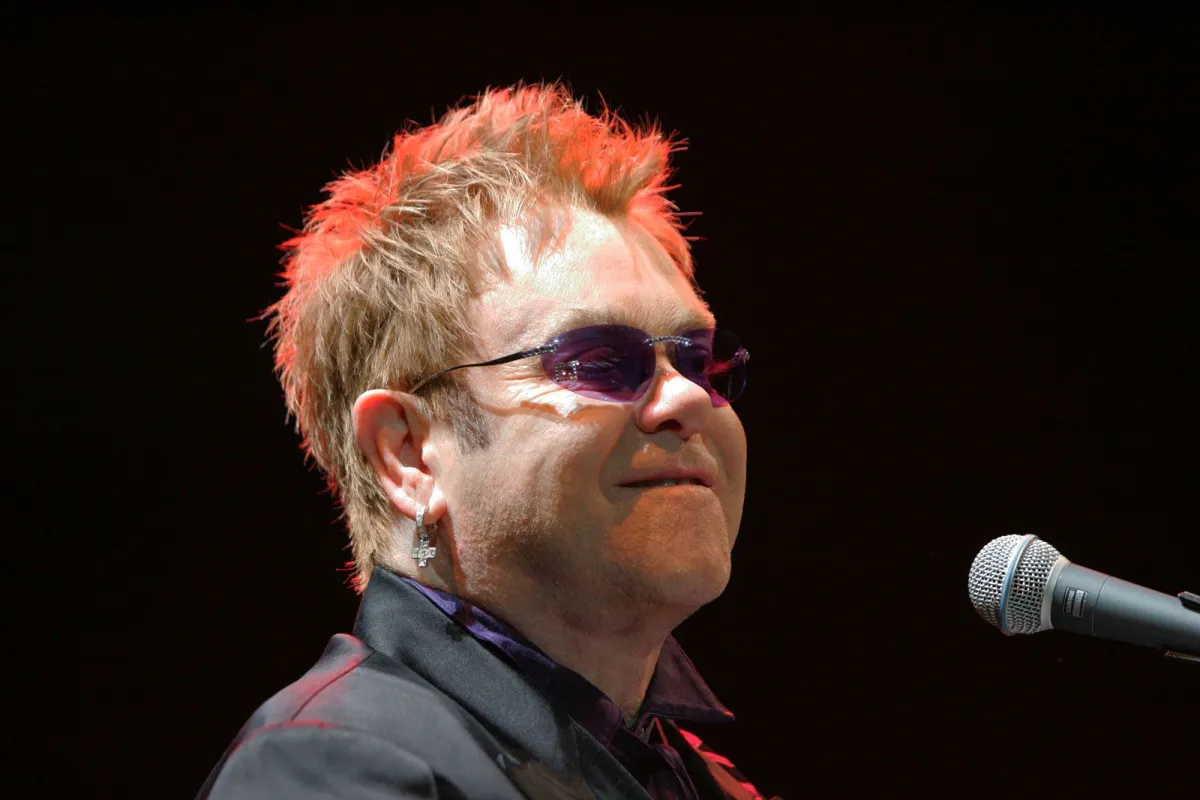 Photo: Elton John, via cdn.britannica.com
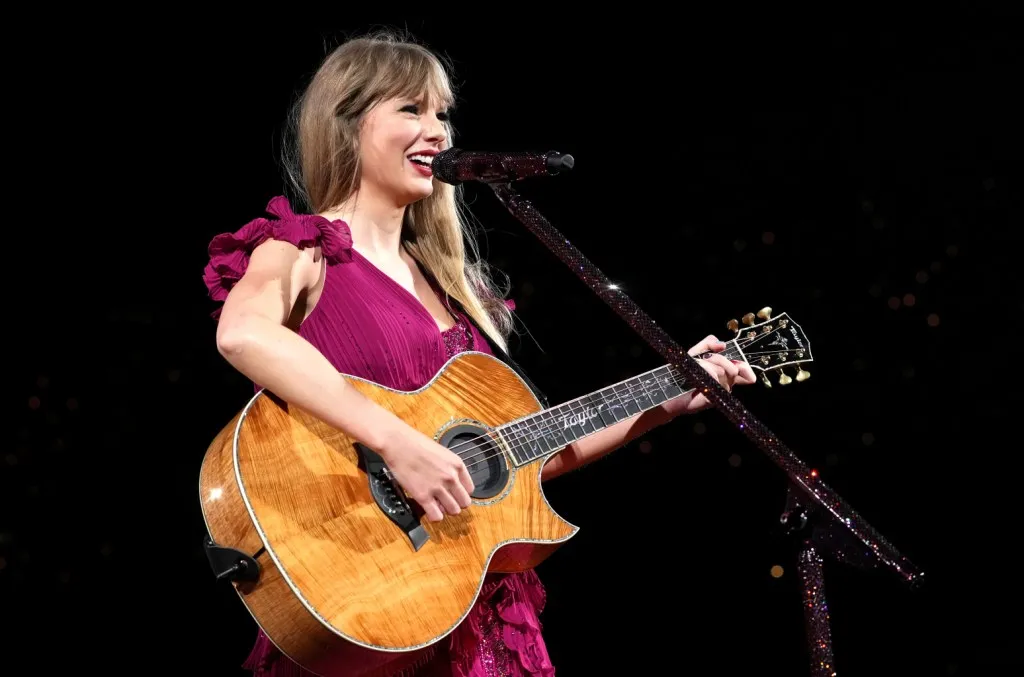 Photo: Taylor Swift, via www.billboard.com
The Instagram Rollout Strategy
The modern celebrity godparent reveal follows a carefully orchestrated playbook. First comes the soft launch — a casual mention in an interview or a strategically placed photo on social media. Then the official confirmation, usually timed to coincide with a major project announcement or awards season buzz. Finally, the lifestyle content: godparent and godchild spotted at trendy restaurants, vacation photos that scream "we're family now," and birthday posts that double as brand alignment.
Take Gigi Hadid's role as godmother to various celebrity offspring. Each announcement has been perfectly timed to reinforce her position within different Hollywood ecosystems — from fashion to music to film. It's networking disguised as nurturing, and everyone involved benefits from the association.
The Loyalty Signal System
What makes these announcements particularly fascinating is how they function as loyalty tests within celebrity hierarchies. When someone chooses a godparent, they're not just picking a backup guardian — they're publicly declaring their allegiances. It's the Hollywood equivalent of wearing someone's team colors.
The strategic nature becomes obvious when you track the timing. Godparent announcements often coincide with career pivots, public relations crises, or major business ventures. Need to signal that you're still A-list despite a few box office flops? Get asked to be godparent to an even bigger star's child. Want to show you've moved past a public feud? Announce a mutual friend as godparent.
The Implicit Endorsement Economy
Being named a celebrity godparent comes with unofficial but very real responsibilities that extend far beyond childcare. You're expected to show up at family events (which will be photographed), support your godchild's parent's projects (publicly and enthusiastically), and maintain the relationship even when it becomes professionally inconvenient.
It's essentially a long-term endorsement deal disguised as a family arrangement. When Jennifer Aniston serves as godmother to various celebrity children, her presence at their events lends credibility and star power to whatever the parents are promoting. It's influence lending with a bow on top.
When Godparent Relationships Go Public
The most telling aspect of this trend is how these relationships are maintained in public view. Traditional godparent duties — spiritual guidance, emotional support, emergency caregiving — happen privately. But celebrity godparent relationships live on social media, in paparazzi shots, and in carefully curated public appearances.
The pressure to perform these relationships publicly creates its own complications. When Britney Spears and Christina Aguilera's friendship imploded, it wasn't just personal drama — it affected the entire extended network of godparent relationships and family connections they'd built. Suddenly, public appearances had to be choreographed to avoid awkward encounters, and mutual friends found themselves navigating loyalty tests at birthday parties and school events.
The Awkward Aftermath
Perhaps the most fascinating element of the celebrity godparent industrial complex is what happens when these strategic friendships inevitably sour. Unlike business partnerships or romantic relationships, godparent connections are supposed to be permanent. But when Kim Kardashian and various former friends have had public falling-outs, their godparent obligations create ongoing complications that play out in tabloids and social media.
 Photo: Kim Kardashian, via i.insider.com
The children become unwitting participants in adult drama, with paparazzi tracking whether the godparent still shows up to birthday parties or posts congratulatory messages. It's family dysfunction with a public relations component, and everyone involved has to navigate the optics while protecting the kids caught in the middle.
The Next Generation Effect
What's particularly interesting is how these arrangements are shaping the next generation of Hollywood nepotism. Celebrity children with multiple famous godparents aren't just inheriting wealth and connections — they're inheriting entire entertainment industry networks before they can even walk.
These kids grow up with godparents who are directors, producers, agents, and studio heads. By the time they're old enough to choose their own career paths, they've already been embedded in the industry ecosystem through family relationships that were strategically constructed rather than organically developed.
The Authenticity Question
The commercialization of godparent relationships raises uncomfortable questions about authenticity in celebrity friendships. When every personal milestone becomes content and every family arrangement serves professional purposes, it becomes increasingly difficult to distinguish between genuine affection and strategic alliance-building.
Some celebrities have pushed back against this trend by keeping godparent arrangements private, but the pressure to publicize these relationships continues to grow as the industry becomes more competitive and image-conscious.
Beyond the Photo Ops
Despite the strategic elements, many celebrity godparent relationships do appear to involve genuine care and commitment. The challenge is separating authentic connections from calculated moves in an industry where personal and professional interests are increasingly intertwined.
What's clear is that the traditional concept of godparenthood has been fundamentally transformed by celebrity culture. What was once a private spiritual and emotional commitment has become a public declaration of professional and social alignment.
In Hollywood's current ecosystem, being asked to be someone's godparent isn't just an honor — it's a career move disguised as a family moment. And in an industry built on relationships and influence, that might be the most honest transaction of all.