The Announcement Trap: When Stars Celebrate Roles They Don't Actually Have
The Celebration That Came Too Soon
Picture this: your favorite actor posts a heartfelt Instagram story about landing their "dream role," complete with crying emojis and gratitude posts. Fans go wild, entertainment blogs pick up the story, and everyone starts speculating about the project. Then, mysteriously, the role just... disappears. No official announcement, no explanation, just radio silence and a quietly updated IMDb page.
This scenario has become disturbingly common in Hollywood, where the pressure to maintain social media presence is colliding catastrophically with the reality of how the entertainment industry actually works. The result? A new kind of career trap where premature celebration can actually cost celebrities the very opportunities they're excited about.
The Mechanics of the Misfire
The entertainment industry runs on a complex web of preliminary discussions, conditional offers, and deals that can fall apart at any moment. What used to be private negotiations handled entirely by agents and managers now happen in an ecosystem where celebrities feel pressured to share every career update with their followers.
Industry insiders describe a perfect storm of factors contributing to these premature announcements. Studios and streaming platforms are pushing actors to generate buzz for projects in development, even when contracts aren't finalized. Social media algorithms reward frequent posting, creating pressure for constant content. And celebrities, particularly younger ones, often don't fully understand the difference between "we're interested" and "you're hired."
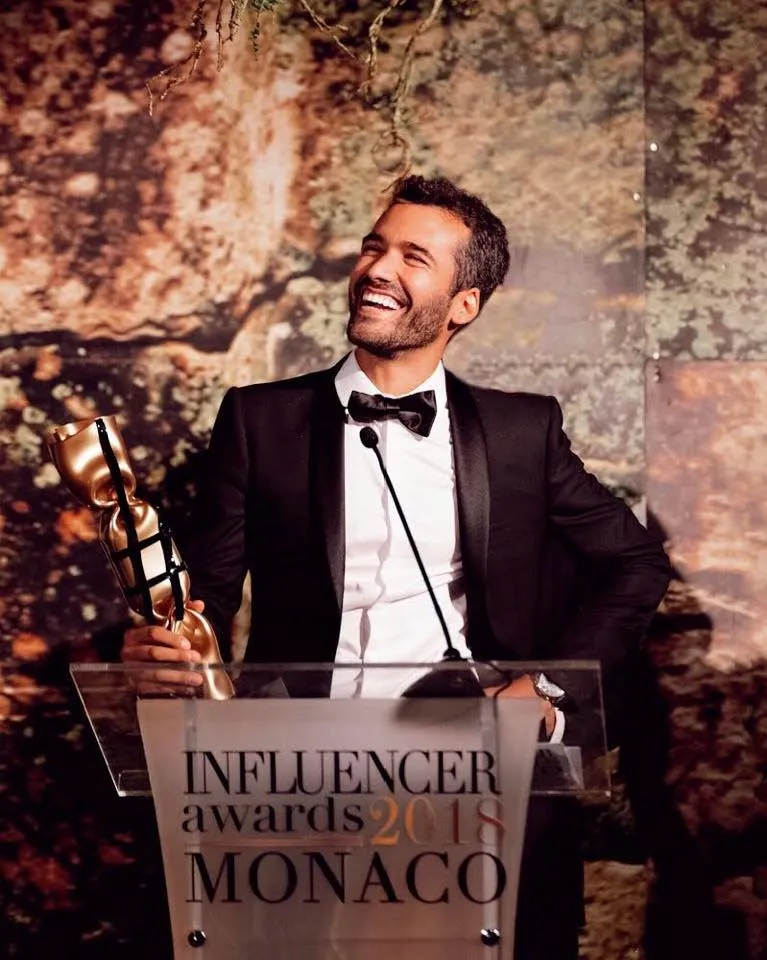
Entertainment lawyer Jennifer Walsh explains the phenomenon: "There's a huge difference between being in talks, having a verbal agreement, and having signed contracts. But in the social media age, those distinctions get lost. A casual conversation with a producer becomes 'I got the part' in someone's mind."
 Photo: Jennifer Walsh, via images.rawpixel.com
High-Profile Casualties
The most visible examples involve major franchise announcements that generated massive fan excitement before quietly evaporating. Entertainment journalists have started tracking what they call "ghost casting" — roles that were announced or heavily hinted at on social media but never materialized in actual productions.
One particularly painful example involved an actor who posted extensively about joining a beloved superhero franchise, even sharing behind-the-scenes photos from what appeared to be costume fittings. Fans created elaborate theories about their character arc, merchandise was bootlegged, and the casting became accepted fact across social media. Months later, the official cast announcement came out — and they weren't on it.
Another case saw a rising star celebrate landing what they called their "biggest role yet" in a highly anticipated sequel. The post went viral, entertainment blogs confirmed the "news," and their team started fielding interview requests. The problem? The studio was still in early negotiations and hadn't made any final decisions. The premature announcement reportedly soured the discussions, with executives feeling pressured and manipulated by the public campaign.
The Studio Perspective
From the industry side, these premature announcements create serious problems. Studios invest millions in projects and need to maintain control over casting narratives, release timing, and public expectations. When actors jump the gun with announcements, it can disrupt carefully planned marketing strategies and put unwanted pressure on creative decisions.
Several high-level executives, speaking anonymously, describe feeling "held hostage" by premature social media announcements. Once an actor has publicly celebrated a role, firing them becomes a PR nightmare, even if they weren't the right fit or if circumstances changed.
One studio head put it bluntly: "We've started including social media clauses in preliminary discussions. If someone posts about a role before we're ready to announce, it can be grounds for termination. We can't have actors trying to lock us into decisions through public pressure."
The Content Machine Pressure
The root cause of this phenomenon lies in the relentless demand for content that defines modern celebrity culture. Social media algorithms punish accounts that don't post regularly, publicists push for constant engagement, and fans expect regular updates on their favorite stars' careers.
This creates a situation where celebrities feel they need to share every piece of good news immediately, rather than waiting for appropriate timing. The fear of being forgotten or losing relevance drives decision-making more than traditional industry wisdom about discretion and proper timing.
Social media strategist David Kumar, who works with several A-list clients, describes the dilemma: "There's enormous pressure to feed the machine constantly. But entertainment industry timing doesn't align with social media timing. A casting process might take months, but fans expect updates weekly."
 Photo: David Kumar, via www.worldhistory.org
The Ripple Effects
Beyond the immediate embarrassment, these premature announcements can have lasting career consequences. Agents report that some studios now view actors who've made these mistakes as "high-risk" clients who might create PR problems. The entertainment industry, which already operates on relationships and reputation, doesn't forgive easily.
There's also the fan backlash to consider. Audiences who get excited about casting announcements that don't materialize often feel manipulated or lied to. This can damage the parasocial relationships that modern celebrity culture depends on, leading to decreased engagement and support for future projects.
Some celebrities have found their premature announcements used against them in industry negotiations, with studios leveraging the public disappointment as evidence that the actor isn't right for the role after all.
Learning to Wait
The smartest celebrities and their teams have started implementing what industry insiders call "announcement discipline." This means waiting for signed contracts, official studio confirmation, and proper timing before sharing career news publicly.
Some stars have found creative ways to satisfy the content demands without revealing specific details — posting about "exciting meetings" or "big things coming" without naming projects or roles. Others have started being more transparent about the uncertainty inherent in the industry, using phrases like "fingers crossed" or "hopefully" to manage expectations.
A few have gone even further, completely stepping back from career-related social media posts until projects are officially announced through proper channels. While this might seem like a loss of personal brand control, it's actually proving to be a more sustainable approach.
The New Rules
As this pattern becomes more recognized, new informal rules are emerging in Hollywood. Publicists are educating clients about the difference between preliminary discussions and confirmed roles. Agents are being more explicit about what can and cannot be shared publicly. And studios are building social media protocols into their casting processes.
The entertainment industry has always been built on discretion and proper timing, but the social media age challenged those traditions. Now, we're seeing a correction as the real-world consequences of premature announcements become clear.
Ultimately, the celebrities who thrive in this environment will be those who can balance the demands of social media engagement with the realities of how Hollywood actually works. It's a delicate dance between feeding the content machine and protecting their actual careers — and the stakes have never been higher.