Nobody Retires Forever: The Farewell Tour Scam That Fans Keep Happily Falling For

Photo of Cher, via Wikimedia Commons
Cher has been saying goodbye since before some of her fans were born. KISS threw a farewell party that lasted longer than most marriages. And yet somehow, every time a major artist announces their "final" tour, the tickets sell out in minutes. So who's really running the con here — the artists, the industry, or the fans who already know the ending and buy in anyway?
 Photo: KISS, via c8.alamy.com
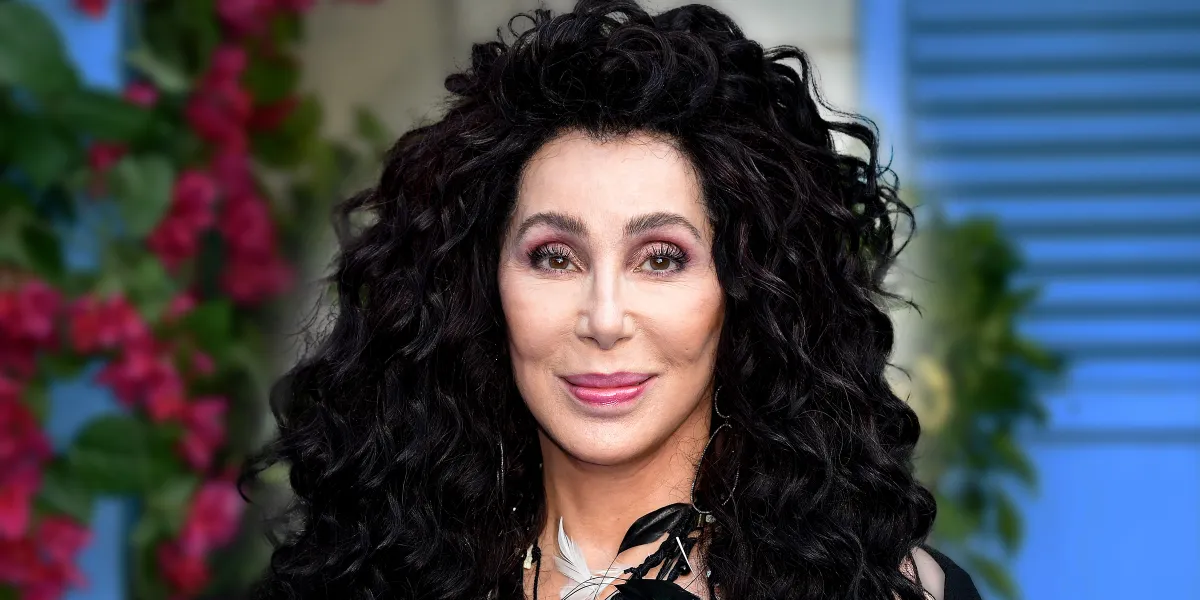 Photo: Cher, via cdn.amomama.com
Let's set the scene. It's 2024, and Cher — yes, that Cher, the one who announced her "Farewell Tour" back in 2002 — is reportedly working on new music and has made no concrete moves toward actually retiring. KISS wrapped their "End of the Road" farewell in December 2023 after a send-off that spanned five years and dozens of countries, only to announce plans to continue as a digital avatar act. Elton John's "Farewell Yellow Brick Road" tour, which launched in 2018, finally concluded in 2023 after pandemic delays stretched the goodbye into a half-decade production. These are not outliers. These are the blueprint.
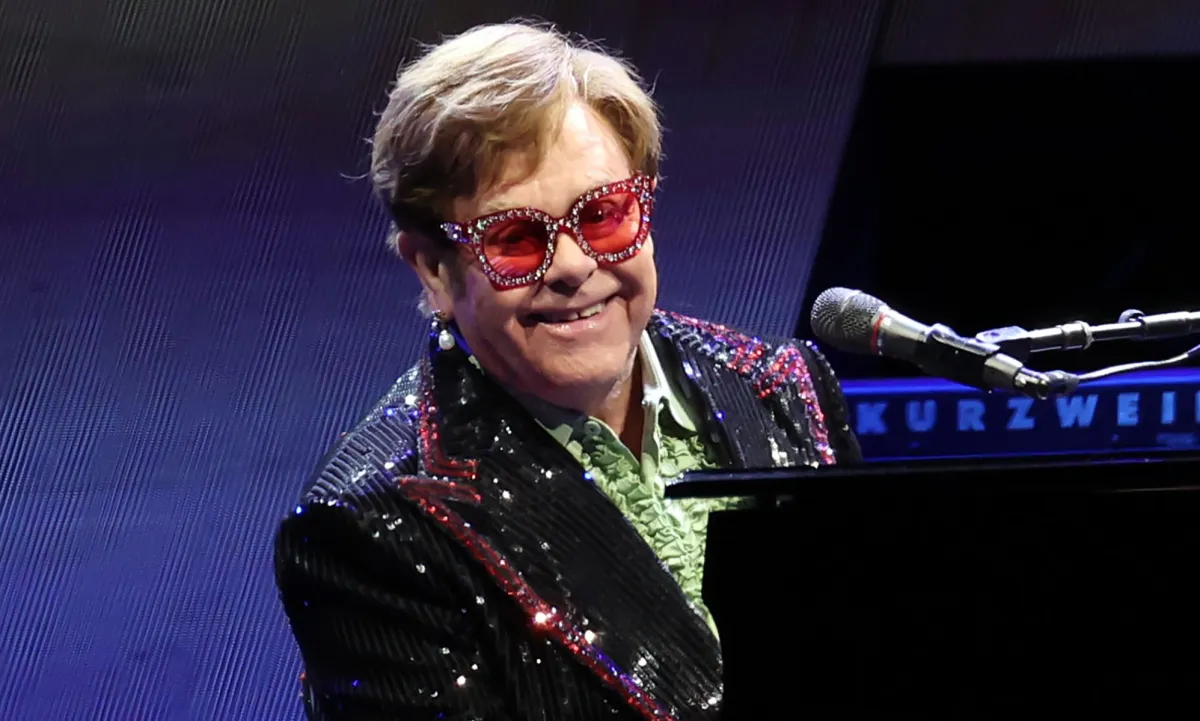 Photo: Elton John, via www.thepinknews.com
And somehow — somehow — we keep buying tickets.
The Economics of the Emotional Exit
Here's the thing the music industry doesn't really want you to think too hard about: farewell tours are, financially speaking, the smartest product in show business. The emotional stakes are artificially elevated in a way that no regular tour can replicate. When an artist announces it's their last time on the road, they're not just selling a concert — they're selling a once-in-a-lifetime experience. Miss it and you'll regret it forever. The scarcity is built in. The FOMO is industrial-grade.
According to industry analysts, farewell tours consistently outperform standard touring cycles in both ticket sales and merchandise revenue. Pollstar data has shown that several major farewell runs have ranked among the highest-grossing tours in their respective years. The emotional framing functions as a premium price justification — fans who might balk at $300 nosebleed seats for a regular show will rationalize the splurge when they believe it's the last chance they'll ever get.
Promoters and management teams know this. Venues know this. The artists themselves, surrounded by advisors whose income depends on keeping the machine running, almost certainly know this too.
The Retirement Revolving Door
The pattern is so well-established at this point that it has its own informal taxonomy among music journalists. There's the "Soft Retirement" — the artist steps back, does a few years of silence, then quietly resurfaces with a Vegas residency they insist doesn't count as touring. There's the "Cause Comeback" — the return is justified by a charity angle, a tribute, or a one-time event that somehow spawns a full run of dates. And then there's the purest form, the one Cher has essentially patented: the "Perpetual Farewell," where the goodbye tour becomes so intertwined with the artist's identity that ending it would actually be the weirder choice.
KISS, to their credit, at least tried to get creative about it. Their pivot to performing as digital avatars — essentially handing their likenesses over to a virtual continuation — is either a visionary acknowledgment that rock and roll doesn't have to die with its creators, or the most elaborate farewell tour extension in history. Possibly both.
Elton John's situation is genuinely more complicated. His retirement from touring appears to be medically and personally sincere — he has cited his age, his health, and his desire to be present for his children as real motivating factors. And yet, he has continued to make public appearances and perform at select events since the tour ended. Which raises the question: what exactly did we say farewell to?
The Fans Know. They Just Don't Care.
Here's the part of the conversation that usually gets glossed over: audiences are not naive. The fans who lined up for KISS's "final" show in New York City were not under the impression that they were witnessing a historically unprecedented event. Many of them had attended previous KISS farewell shows. They knew the deal. They went anyway.
Social media has made this collective awareness even more explicit. When an artist announces a farewell tour now, the very first wave of responses on X (formerly Twitter) is usually some variation of "see you in three years." It's become a genre of its own — the farewell tour announcement meme cycle, complete with side-by-side timelines of every previous retirement statement the artist has made.
And yet ticket sales don't suffer. If anything, the meta-awareness seems to add a layer of ironic enjoyment to the whole thing. Fans treat it like a bit they're all in on together. The artist is performing retirement; the audience is performing grief; everyone knows the show will go on.
So Is It Cynical, or Is It Just... Show Business?
The honest answer is probably both, and the line between them is blurrier than it looks. Music is a live art form that exists in relationship with an audience, and artists — even the ones who genuinely intend to retire — often find that the pull of the stage is harder to walk away from than they expected. Retirement, for performers who have spent decades building their identity around performance, isn't just a career decision. It's an existential one.
There's also the uncomfortable reality that for many legacy artists, touring remains their primary income source. Streaming economics have gutted recorded music revenue across the board, and the live concert circuit is often the only place where an artist from the pre-digital era can generate the kind of money that sustains the infrastructure around them — the crews, the management teams, the production companies, the dozens of people whose livelihoods are tied to the tour bus staying on the road.
So when Cher announces another farewell, it's worth asking: is she lying to us, or is she just telling us what the industry has always known — that in show business, the show has to go on, even when the curtain call is supposed to be the last one?
What Happens Next
Watch for the next wave. With several major legacy acts currently in various stages of "winding down" — and with the live music market still recovering from pandemic-era losses — the farewell tour economy isn't going anywhere. If anything, expect more of them, bigger and more emotionally orchestrated than before.
And when the next icon announces their final bow, the internet will roll its eyes, the tickets will sell out, and somewhere in the back of every buyer's mind will be the quiet, comfortable knowledge that they've probably got another shot at this in about four years.
The greatest trick the farewell tour ever pulled was convincing us it was a trick — and making us buy the ticket anyway.