Podcast Penance: When Your Favorite Stars Use Their Shows to Rewrite Their Stories

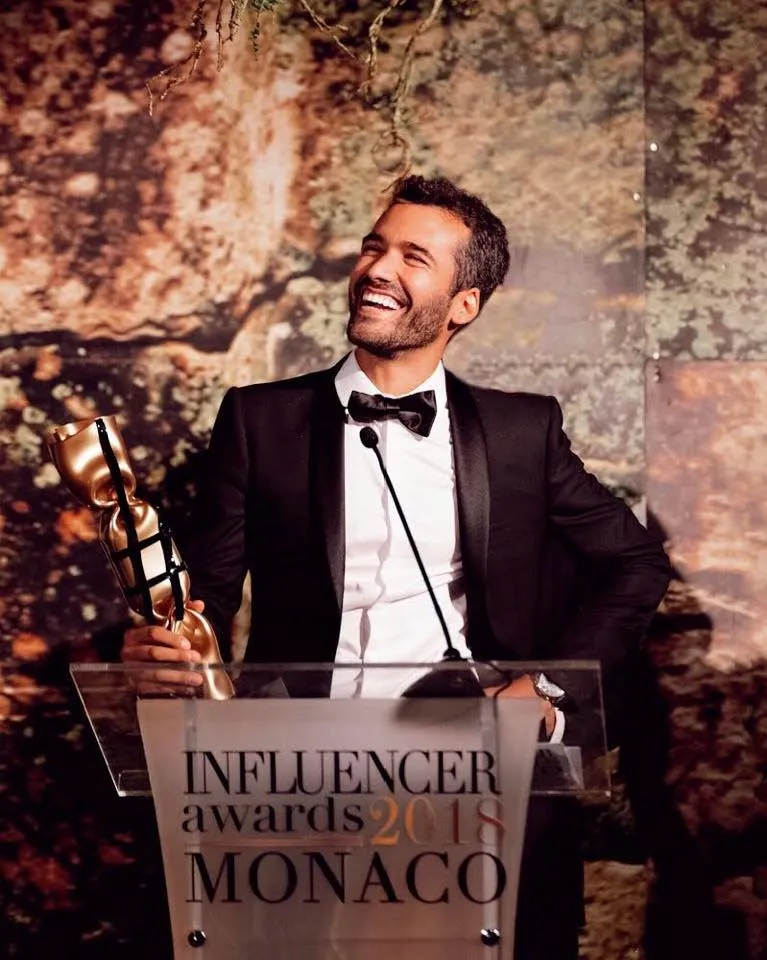
Photo: Timmy96, CC0, via Wikimedia Commons
The Confessional Booth of the Digital Age
In the span of five years, celebrity podcasts have evolved from vanity projects to strategic reputation management tools. What started as casual conversations between famous friends has morphed into something more calculated: a platform where celebrities can control their narrative without the filter of traditional media. And increasingly, that control is being used to address controversies, settle old scores, and rehabilitate images that took hits in the press.
The appeal is obvious. Unlike interviews where journalists ask uncomfortable questions, podcast hosts — especially celebrity hosts — rarely push back against their guests' version of events. The format feels intimate and unfiltered, but it's often the most carefully curated content celebrities produce.
The Post-Controversy Podcast Playbook
The pattern has become predictable: celebrity faces backlash, goes quiet for a few months, then launches a podcast or makes strategic appearances on friendly shows to "tell their side of the story." The format allows for lengthy explanations, context that was missing from initial reporting, and the kind of vulnerability that's hard to fake in written statements.
Jada Pinkett Smith's "Red Table Talk" became the gold standard for this approach, providing a platform where she could address everything from her marriage to Will Smith to her relationship with Tupac Shakur on her own terms. The show's success proved that audiences were hungry for unfiltered celebrity perspectives, even when those perspectives were carefully crafted responses to public criticism.
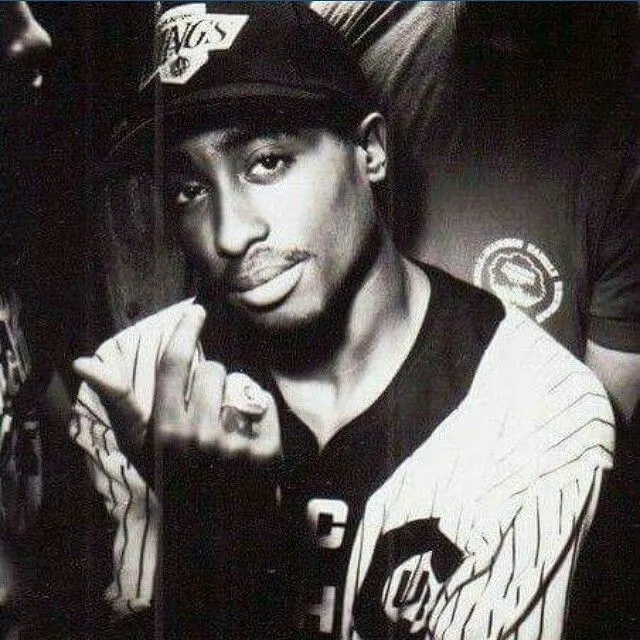 Photo: Tupac Shakur, via i.pinimg.com
 Photo: Will Smith, via img.redbull.com
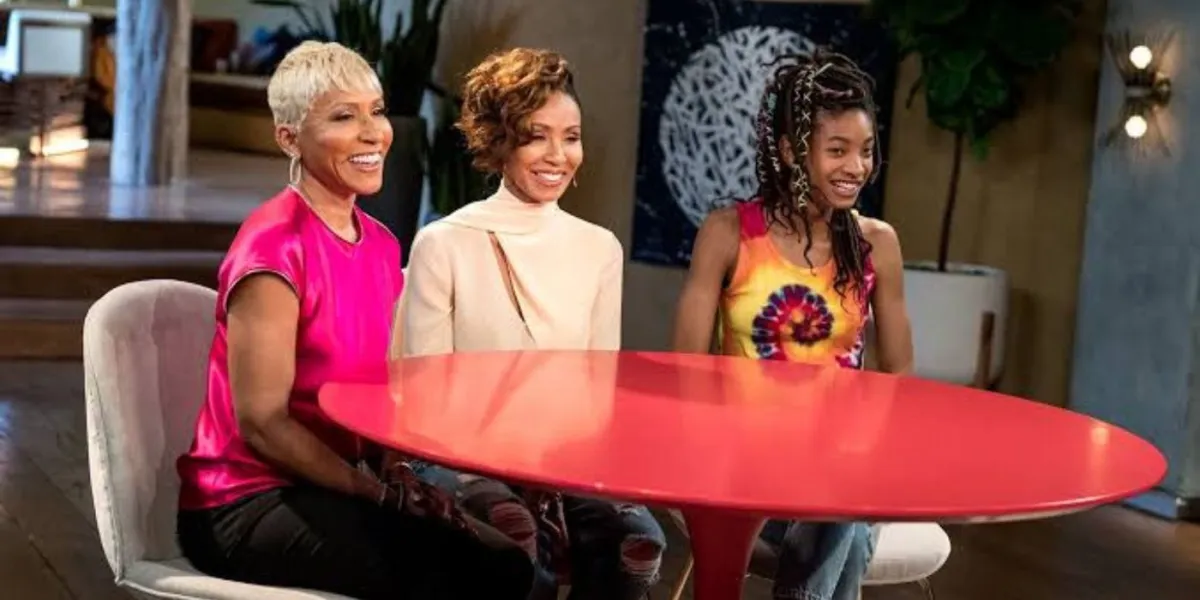 Photo: Jada Pinkett Smith, via tvovermind.com
Other celebrities took note. Suddenly, podcast appearances became the preferred method for addressing controversies, offering apologies, or providing context that was missing from tabloid coverage. The medium allows for the kind of nuanced conversation that's impossible in a two-minute entertainment news segment.
The Download Numbers Don't Lie
But here's where the strategy gets interesting: while celebrity podcasts generate massive media coverage, their actual listenership often tells a different story. Industry sources suggest that many celebrity-hosted shows see significant drop-offs after their initial launch buzz, with audiences more interested in the headlines about what was said than in actually listening to the episodes.
This creates a strange dynamic where the podcast serves its reputation management purpose through media coverage rather than direct audience engagement. A celebrity can "address" a controversy on their show, generate headlines about their response, and achieve their goal of narrative control without needing massive download numbers.
The most successful celebrity podcasts understand this dynamic and lean into it, creating moments designed to be quoted and shared rather than consumed in full. Strategic soundbites become the real product, with the full episode serving as supporting evidence for the headline-grabbing moments.
The Revenge Podcast Phenomenon
Some celebrities have taken the format even further, using their platforms to settle scores with former colleagues, business partners, or romantic interests. These "revenge podcasts" often feature thinly veiled references to past conflicts, with enough detail for insiders to understand the targets while maintaining plausible deniability.
The format is particularly effective because it allows celebrities to present their version of events as casual conversation rather than formal accusations. A seemingly innocent anecdote about a "difficult co-star" or "challenging business relationship" can communicate volumes to industry insiders while flying under the radar of legal scrutiny.
This has created a new form of celebrity warfare, where podcasts become weapons in ongoing feuds. The intimate nature of the medium makes even subtle digs feel more personal and damaging than traditional media interviews.
The Authenticity Paradox
The irony of celebrity podcasts is that the more they're used for strategic communication, the less authentic they become — despite authenticity being the format's primary appeal. Audiences are increasingly sophisticated about recognizing when a "candid" conversation is actually a carefully orchestrated PR campaign.
This has led to an arms race of vulnerability, where celebrities feel pressure to share increasingly personal details to maintain the illusion of authenticity. The result is often uncomfortable listening, as stars overshare in pursuit of credibility.
Some celebrities have found success by acknowledging this paradox directly, using their platforms to discuss the artificial nature of celebrity image management. This meta-approach can be effective, but it requires a level of self-awareness that not all stars possess.
The Industry Response
Traditional entertainment media has had to adapt to the podcast phenomenon, often finding themselves reporting on statements made in shows they may not have actually listened to in full. This has created opportunities for context to be lost and quotes to be taken out of proportion — which sometimes serves the celebrity's purposes perfectly.
Publicists now include podcast strategy in their crisis management playbooks, understanding that a well-timed appearance on the right show can be more effective than traditional damage control methods. The key is finding hosts who will provide a sympathetic ear without appearing to be obvious allies.
The Future of Celebrity Narrative Control
As audiences become more aware of these tactics, celebrity podcasts will need to evolve to maintain their effectiveness. The most successful shows are already adapting, focusing on genuine entertainment value rather than pure reputation management.
But the fundamental appeal of the format — the ability to speak directly to audiences without media filter — ensures that podcasts will remain a key tool in celebrity communication strategies. The challenge for stars will be maintaining authenticity while using the medium strategically.
The real question isn't whether celebrities will continue using podcasts to manage their images — it's whether audiences will continue to buy what they're selling. And based on the download numbers, the jury is still out on whether anyone's actually listening to the full story or just reading the headlines about what was supposedly said.