The Vegas Vault: How Sin City Became Pop Music's New Golden Parachute

Photo: John Sears, CC BY-SA 4.0, via Wikimedia Commons
The House Always Wins — Especially When You're the House
Remember when a Las Vegas residency meant your career was winding down? Tell that to Adele, who's reportedly banking $2 million per show at The Colosseum at Caesars Palace, or Katy Perry, whose "PLAY" residency at Resorts World has been extended twice due to demand. The strip has quietly become pop music's most coveted real estate, and the shift from grueling world tours to weekend warrior gigs represents more than just a lifestyle upgrade — it's a complete reimagining of how superstars monetize their fame.
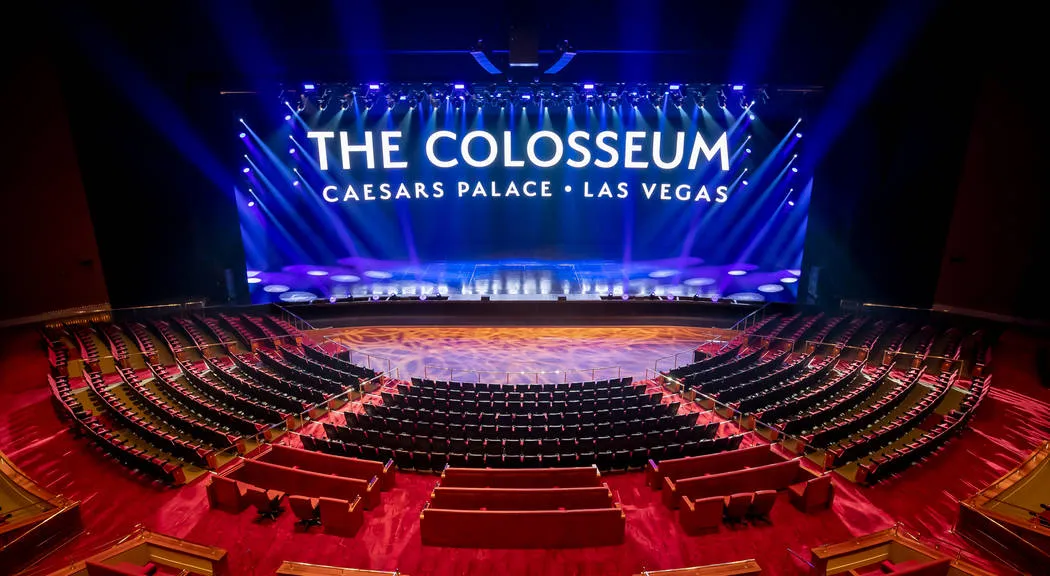 Photo: The Colosseum at Caesars Palace, via www.reviewjournal.com
The math is impossible to argue with. While a traditional world tour might gross $5-10 million per show across 100+ dates, Vegas residencies offer artists the chance to earn comparable amounts while sleeping in their own beds (well, their own Vegas penthouses). Adele's "Weekends with Adele" reportedly nets her $1-2 million per performance for just two shows per weekend, with none of the logistical nightmares of moving equipment, crew, and costumes across continents.
The Pandemic Pivot That Stuck
COVID-19 didn't create the residency trend, but it certainly accelerated it. When touring became impossible in 2020-2021, artists who had previously viewed Vegas as a retirement plan started seeing it as a strategic pivot. The controlled environment, predictable scheduling, and ability to create elaborate productions without worrying about venue limitations suddenly looked less like settling and more like evolution.
Bruno Mars and Anderson .Paak's residency as Silk Sonic at Park MGM proved that even newer acts could make the model work. Their intimate shows allowed for the kind of spontaneity and audience interaction that's nearly impossible in 60,000-seat stadiums. Meanwhile, established acts like Carrie Underwood and Keith Urban found that Vegas allowed them to experiment with theatrical elements that would be cost-prohibitive on tour.
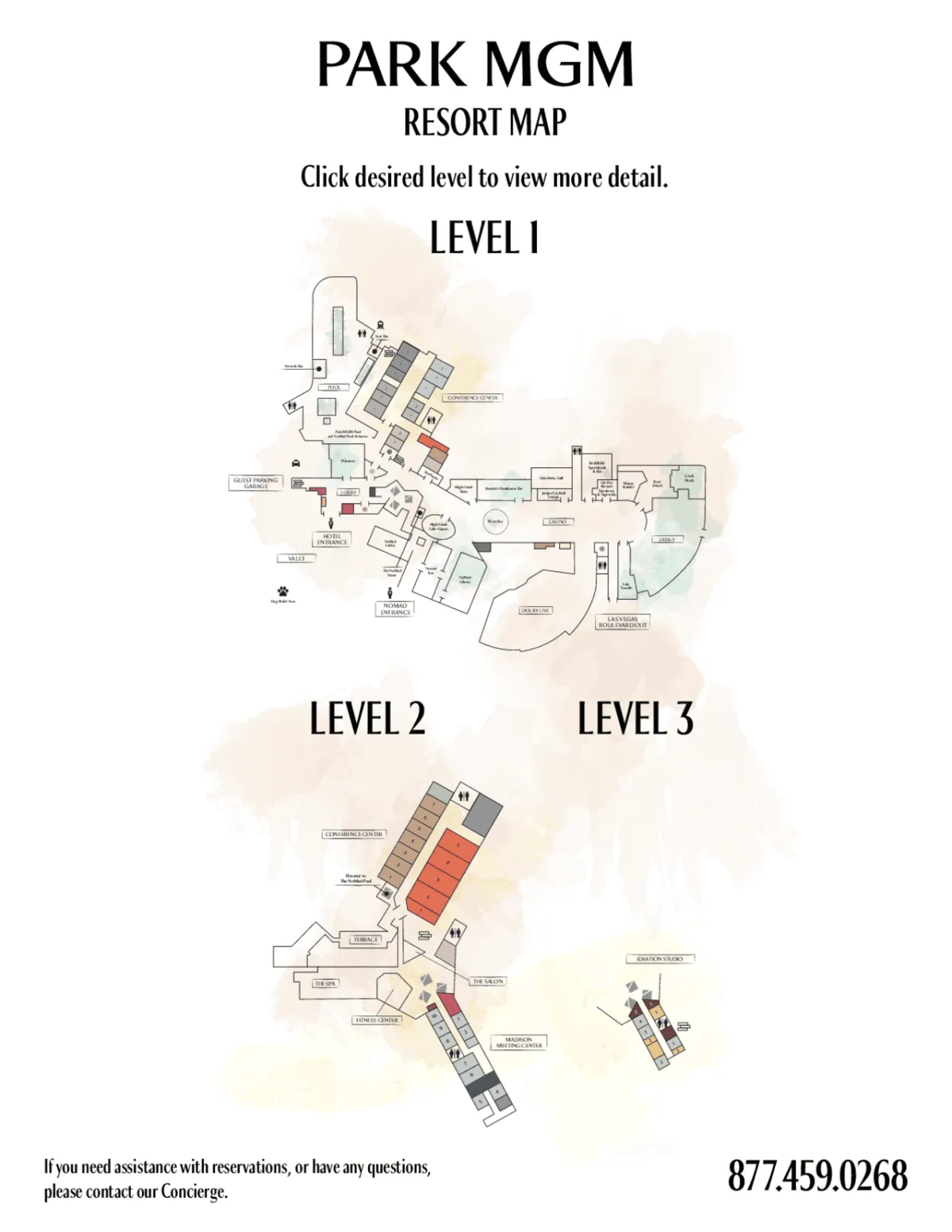 Photo: Park MGM, via static.docsity.com
The Creative Trade-Off Nobody Talks About
But here's what the glossy press releases don't mention: residencies can be creatively limiting. While artists gain control over their environment, they lose the energy that comes from different crowds, different venues, and the unpredictability of the road. Some performers thrive in the consistency — Céline Dion's legendary run at Caesars Palace from 2003-2007 and 2011-2019 proved that Vegas could be a creative playground, not a creative prison.
 Photo: Céline Dion, via hips.hearstapps.com
Others struggle with the repetition. Industry insiders suggest that some artists negotiate shorter residency commitments specifically because performing the same show night after night can feel more like a job than artistry. The key seems to be finding the sweet spot between consistency and variation — something that requires a different skill set than traditional touring.
The Fan Experience Revolution
For audiences, Vegas residencies offer something tours can't: accessibility and luxury. Instead of hoping your favorite artist includes your city on their tour route, fans can plan Vegas vacations around guaranteed shows. The experience becomes less about the music and more about the entire weekend — gambling, dining, shows, and the kind of over-the-top production values that are only possible with a permanent setup.
Ticket prices reflect this shift. While general admission might start around $100, VIP packages can easily hit $1,000+ per person. But fans seem willing to pay for the experience, especially when it includes meet-and-greets, exclusive merchandise, and the bragging rights that come with seeing an artist in their "home" venue.
The Flops Nobody Mentions
Not every residency prints money. Jennifer Lopez's 2016 "All I Have" residency at Planet Hollywood was considered successful, but follow-up announcements from other Latin artists haven't materialized as expected. Country star Keith Urban's residency, while well-reviewed, didn't generate the same buzz or ticket sales as pop counterparts. The lesson seems to be that Vegas residencies work best for artists with either massive global appeal or very specific fan bases willing to travel.
The real test comes with longevity. Can artists maintain audience interest for 50+ shows over two years? Elton John's "The Million Dollar Piano" and "The Red Piano" residencies proved it was possible, but they also highlighted how much the success depends on the artist's catalog depth and performance charisma.
What This Means for the Future of Live Music
The residency boom signals a broader shift in how artists think about their careers. Instead of the traditional album-tour-album cycle, many are now planning around residency blocks that allow for more personal time, family stability, and creative control. This could fundamentally change how record labels structure deals and how artists plan their peak earning years.
For emerging artists, Vegas represents both opportunity and pressure. Landing a residency is increasingly seen as a mark of having "made it," but it also requires the kind of stage presence and catalog depth that typically comes with years of experience.
The strip's transformation into pop music's most profitable playground isn't just changing where artists perform — it's changing how they think about performance itself, and whether the house always wins might depend on who's running the show.