The Rehab Reveal: Why Celebrities Are Turning Their Darkest Moments Into Their Biggest PR Moves — and When It Actually Works
The New Playbook for Public Meltdowns
There was a time when celebrities went to rehab quietly, slipping away from the spotlight to handle their demons in private. Those days are officially over. In 2024 and 2025, the celebrity rehab announcement has become as carefully orchestrated as any album drop or movie premiere — complete with exclusive interviews, documentary deals, and merchandise tie-ins.
The shift is unmistakable. Where previous generations of stars treated addiction and mental health struggles as career killers to be hidden at all costs, today's celebrities are flipping the script entirely. They're not just admitting to their darkest moments — they're turning them into content.
The Vulnerability Economy Takes Center Stage
Demi Lovato pioneered this approach with their 2021 documentary "Dancing with the Devil," which detailed their near-fatal overdose in graphic, unflinching detail. The project didn't just rehabilitate Lovato's image — it relaunched their entire career trajectory. Suddenly, vulnerability wasn't just acceptable; it was profitable.
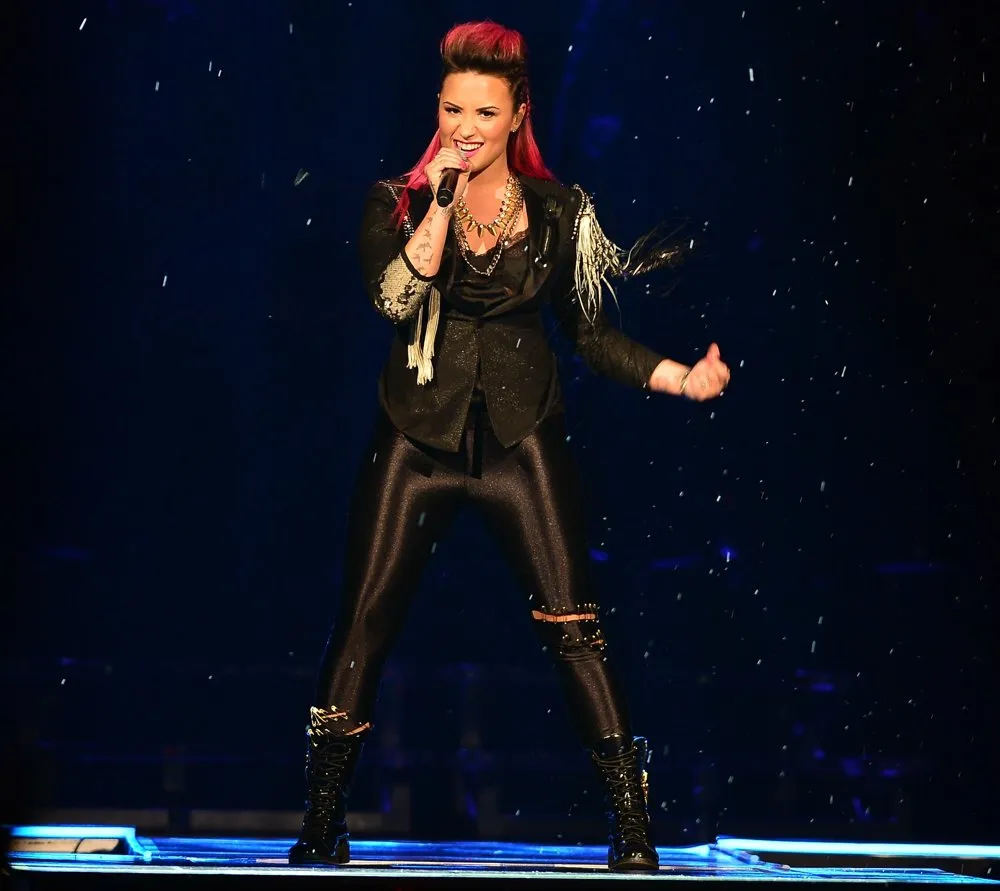 Photo: Demi Lovato, via www.aceshowbiz.com
Selena Gomez followed suit with her ongoing transparency about lupus and mental health struggles, weaving her medical journey into her beauty brand narrative and documentary projects. The message was clear: personal pain could be transformed into public purpose, and public purpose sells.
 Photo: Selena Gomez, via people.com
But the trend has accelerated beyond these early adopters. Recent months have seen a parade of celebrities timing their mental health revelations with surgical precision. Addiction specialists and PR professionals are now working hand-in-hand to craft "recovery narratives" that maximize both healing and career benefits.
When Authenticity Meets Algorithm
The mechanics are surprisingly consistent. Step one: the cryptic social media post hinting at "taking time for myself." Step two: the exclusive magazine interview or podcast appearance revealing the full story. Step three: the comeback project that frames the struggle as a source of creative inspiration.
PR veteran Sarah Chen, who has worked with multiple celebrities through addiction and mental health crises, explains the calculation: "There's a sweet spot between too much information and not enough. You want to seem brave and relatable, but not unstable or unemployable. It's a very delicate balance."
 Photo: Sarah Chen, via www.agenthunter.io
The strategy works because it taps into our cultural obsession with redemption narratives. Audiences love a comeback story, and celebrities who can package their lowest points as learning experiences often emerge more beloved than before they fell.
The Backlash Machine Kicks In
But the formula is becoming so predictable that some fans are starting to see through it. Social media is increasingly full of comments questioning whether certain revelations are genuine or calculated. The phrase "trauma dumping for clout" has entered the celebrity discourse lexicon.
The timing often feels too convenient. Rehab announcements frequently coincide with album release cycles, movie promotions, or the need to pivot away from other controversies. When a celebrity's most personal struggles align perfectly with their professional needs, audiences notice.
Some stars have faced particular scrutiny for monetizing their recovery stories. Critics argue that turning addiction into content can trivialize the genuine struggles of non-famous people dealing with similar issues. There's also concern about the message it sends to young fans: that your pain isn't valid unless it becomes your brand.
The Success Stories vs. The Cautionary Tales
Not every celebrity rehab reveal lands the same way. The most successful examples share common elements: they feel genuinely spontaneous rather than calculated, they include concrete details about the recovery process rather than vague platitudes, and they're followed by sustained behavioral changes rather than quick returns to problematic patterns.
Conversely, the reveals that backfire tend to feel performative, focus more on the drama than the healing, or are contradicted by the celebrity's subsequent actions. Audiences have become surprisingly sophisticated at distinguishing between authentic vulnerability and manufactured relatability.
Industry insiders note that the most successful rehabilitation campaigns often involve celebrities who were already beloved before their struggles became public. The public wants to root for their comebacks. Stars who were already controversial or disliked face a much steeper climb.
The Mental Health Industrial Complex
Behind the scenes, an entire ecosystem has developed around celebrity mental health narratives. Specialized PR firms now offer "crisis-to-comeback" packages. Documentary producers actively seek out celebrities with compelling recovery stories. Even rehabilitation facilities have begun marketing themselves as places where celebrities can "find their voice" as much as their sobriety.
This professionalization of personal struggle raises ethical questions that the industry is still grappling with. When does sharing your story to help others become exploiting your trauma for profit? How much detail is too much? And what happens to celebrities who can't or won't perform their recovery for public consumption?
The Future of Famous Vulnerability
As this trend continues to evolve, several patterns are emerging. Younger celebrities, raised on social media, seem more naturally inclined to share their struggles in real-time rather than packaging them into neat retrospective narratives. This creates both more authenticity and more risk.
Meanwhile, older celebrities are learning to adapt to a culture that rewards openness over privacy. Some are embracing the change; others are struggling to navigate the new expectations around public vulnerability.
The most telling indicator of where this trend is headed might be the reaction of Gen Z audiences, who have grown up with unprecedented celebrity transparency. Early signs suggest they're becoming more discerning consumers of celebrity vulnerability — more likely to call out performative sharing while still rewarding genuine openness.
The Bottom Line
The celebrity rehab reveal has become the ultimate test of authenticity in an industry built on artifice. When it works, it creates deeper connections between stars and their audiences while potentially helping others who are struggling. When it fails, it exposes the cynical machinery behind modern celebrity culture.
As more celebrities navigate this terrain, the stakes continue to rise — both for their careers and for the broader conversation around mental health and addiction. The question isn't whether celebrities should share their struggles, but whether they can do so in ways that serve healing rather than just headlines.
In an industry where every personal moment becomes potential content, the challenge is maintaining the humanity behind the brand — and remembering that some things might still be too precious to monetize.